A 61-year-old builder has become the first person in the United Kingdom to undergo a groundbreaking brain aneurysm operation through his eye socket, sparing him the ordeal of traditional open-skull surgery.
Life-saving innovation
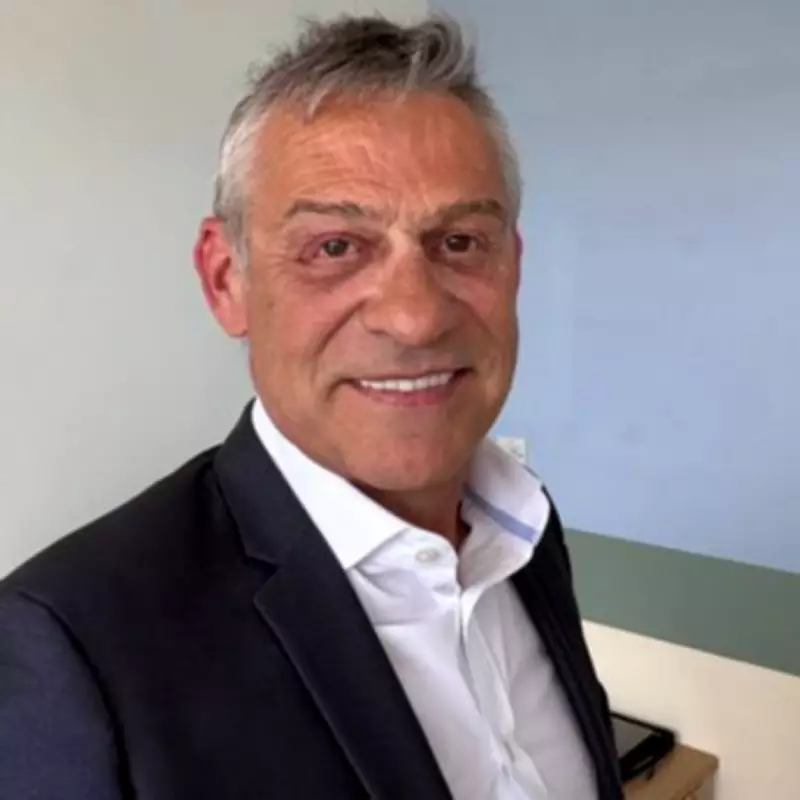
Andrew Wood, a grandfather from Leeds, was diagnosed with a brain aneurysm—a dangerous swelling in a blood vessel that can rupture and prove fatal. Normally, this would require a craniotomy, where surgeons remove part of the skull and move the brain to reach the affected area. However, specialists at Leeds Teaching Hospitals NHS Trust performed a minimally invasive keyhole procedure via the eye socket, marking a UK first.
Consultant neurosurgeon Asim Sheikh explained: "This meant that we could directly access the aneurysm without even having to touch the brain." The operation was carried out in February 2026, and Mr Wood was back on his building site by May.

Swift recovery
Mr Wood spent just one night in hospital, compared to the typical week-long stay after a craniotomy. "I was asked to make some toast and a cup of tea to make sure my faculties were OK, I had another quick scan and then they asked if I wanted to go home," he said. "It has been perfect since, I've had no double vision, no pain, I'm back at work—just have to watch out that I don't hit myself with a two by four."
The aneurysm was discovered last spring during scans for an unrelated issue. Mr Wood was shocked, as he had no symptoms. "Mr Sheikh got his hands on my case and it just went 100 miles an hour from there. I'm in the building trade so the way it was explained to me was: you can do something causing minimum damage and get the same result. I thought it was great."
Surgical technique
The team made a tiny incision at the side of Mr Wood's eye and a cut on the outer wall of the eye socket to access the aneurysm. They placed a small metal clip across its base to prevent rupture. Biomechanical engineers created a custom 3D-printed replica of Mr Wood's eye socket and skull base, along with the aneurysm, allowing surgeons to plan and practise the procedure precisely. Bespoke 3D-printed retractors shielded the eye during surgery.
Mr Sheikh said: "It was easily accessible through this approach. Traditionally, we would have done a traditional craniotomy... splitting the two halves of the brain and pulling them apart. With this technique, we didn't even have to touch the brain, we didn't have to put any retraction on the brain and we were directly approaching the aneurysm, which meant that the morbidity of the operation itself was substantially reduced."
Consultant maxillofacial surgeon Jiten Parmar added: "This case highlights how working in partnership across specialities, combining decades of experience and working closely with our engineering team can result in a better outcome for our patients."
Future implications
The Leeds team previously performed a similar UK-first operation in 2024, removing a brain tumour through a patient's eye socket. Mr Sheikh described the aneurysm procedure as a "significant step forward in minimally invasive brain surgery in the UK." Mr Wood, grateful for his second chance, said: "Thanks to the skill of the surgical team, I've been given a second chance. I'm really grateful for their kindness and expertise—they are an outstanding team."