The Fate of NASA's Apollo 11 Backup Tapes Finally Explained
For decades, conspiracy theories have swirled around the disappearance of original high-quality transmissions from the historic Apollo 11 moon landing. Now, space educator Tim Dodd, better known as the 'Everyday Astronaut' on YouTube, has revealed the truth about what really happened to these supposedly 'erased' tapes.
What Exactly Was Lost?
The missing materials were backup magnetic tapes containing the raw transmission from space, not the primary recordings. These tapes were approximately a foot wide and resembled giant cassette tapes. They were created as a safety measure in case the live transmission between Apollo 11 and Mission Control in Houston failed during the critical 1969 mission.
Dodd explained during an appearance on the Danny Jones Podcast that NASA considered these backup tapes less critical because all essential data, video, and radio signals had been successfully transmitted to Houston and broadcast live on television. The agency had thousands of hours of mission data proving the moon landing occurred, including telemetry data, audio recordings, and video from Houston's archives.
How Were the Tapes Actually Lost?
The backup copies were accidentally taped over during the 1970s and 1980s when NASA faced shortages of specific film reels. The space agency reused older magnetic tapes for new missions, not anticipating that future technology would enable enhancement of the raw footage for better quality.
'They didn't imagine a world where we could take and rescan and upres the hell out of that footage,' Dodd said during the February 9 interview. 'It would have been a lot cleaner in that raw format.'
The Transmission Process and What Survived
Dodd detailed how the moon landing signal was originally transmitted:
- The live transmission from the moon went to receiving stations including one in California's Mojave Desert
- The signal was split into two separate feeds
- One feed went to Mission Control in Houston for real-time monitoring and recording
- The other feed contained the raw backup recorded directly onto the magnetic tapes
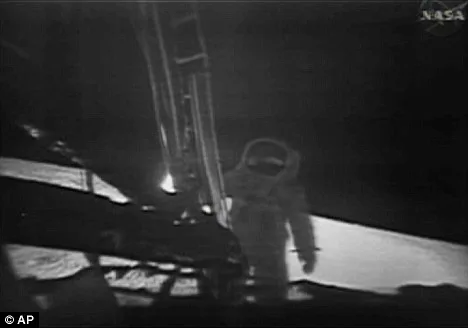
The video at Mission Control was converted from the moon's 'slow-scan' format to standard NTSC television format using a 'kinescope' method - essentially filming a monitor with a camera. This converted version was what the public saw in 1969, which was lower quality than the magnetic tape recordings but considered 'good enough' at the time.
What Evidence Still Exists?
Despite the loss of the backup tapes, NASA maintains extensive documentation of the Apollo 11 mission:
- Thousands of hours of telemetry data, audio, and video recordings from Houston
- Shockingly clear 70 millimeter film from cameras used by Apollo astronauts on the moon
- This film grade remains in use today for IMAX movies, demonstrating its exceptional quality
- Crystal clear images captured during the 1969 mission were featured in a 2019 documentary by director Todd Miller
Debunking Conspiracy Theories
Dodd called claims that NASA deliberately erased moon landing recordings 'misconstrued.' He emphasized that the agency had no reason to destroy evidence since the broadcast was successful and all critical data was preserved.
'They had the broadcast. It's not like the broadcast went cold and they lost signal,' Dodd explained. 'They're like, "It would be great if we had that still, you know, hold on to those tapes. Make sure we have those backups."'
The Real Mystery: Why Moon Missions Stopped
Dodd acknowledged that skeptics have one compelling argument - why America stopped moon missions after 1972. He revealed the true reason was economic: the massive cost of building and launching Saturn V rockets.
'I understand the frustration of, you know, we did this thing 54 years ago, and we lost that ability to do it,' Dodd said. 'But we also spent $300 billion in today's money to get us there. We had three other rockets and hardware built and the crew to do so, and we just said, "Eh, not worth it."'
The space educator expressed his own frustration with this decision, noting that the technological capability existed but was abandoned due to financial considerations rather than any conspiracy about what might have been discovered on the moon.