In an era where a chihuahua named Eddie can amass thousands of Instagram followers and secure brand deals, the allure of pet stardom is undeniable. Guardian journalist Caitlin Cassidy decided to put the phenomenon to the test, embarking on a personal mission to transform her own dog, Murphy the Labrador, into a bona fide online celebrity.
The Allure and the Algorithm
Inspired by the success of pets like Eddie—a chihuahua with nearly 50,000 Instagram likes, his own discounts, and an Amazon store—Cassidy set out with a clear goal. She would dedicate herself to newly created Instagram and TikTok accounts for Murphy, aiming for popularity and virality, though she ruled out paid sponsorships from the start.
Her initial research involved studying established Australian pet influencers, noting common themes: stylish outfits, an appearance of wealth, and a display of unique talents or skills. Murphy, however, was no cattle dog capable of herding sheep. His wardrobe was limited to bandanas and a novelty Halloween shirt. Cassidy decided his charm lay in his mischievous, slightly naughty personality.

The Grind of Going Viral
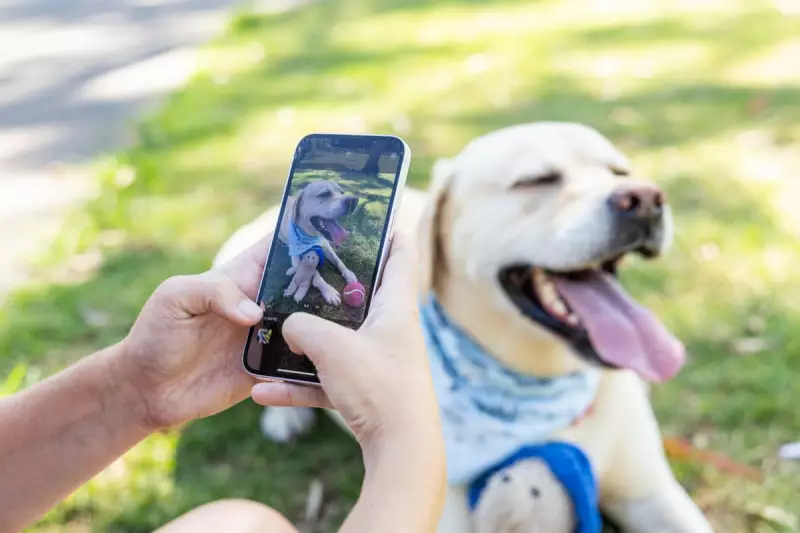
Setting up the account @murphythegoldenlabdog, Cassidy posted seven times in quick succession. The content ranged from Murphy smiling in a park to him sipping a 'dog-rita' at a pub, all accompanied by a barrage of hashtags. The result was underwhelming. Likes only came from friends, family, and co-workers roped into the experiment, with follower count crawling to 100 largely through personal pleas.
On TikTok, the challenge was greater. A video of Murphy being caught raiding his food bag, set to a Taylor Swift song, garnered 2,325 views and 47 likes—a fleeting moment of hope. Subsequent clips, including one of him emerging from mud and another artfully edited to Snow Patrol, failed to crack the algorithm, leaving her with just 43 followers.
The Pay-to-Play Reality of Pet Fame
The breakthrough in understanding came not from viral success, but from unsolicited messages. Large pet-focused accounts with over 100,000 followers would comment on Murphy's posts, asking to feature him. When Cassidy engaged, they presented packages costing between $20 and $500 to boost her follower count. Upon refusing to pay, the conversation ended abruptly.
This revealed a lucrative, often shadowy ecosystem where accounts profit from the dreams of aspiring pet owners. For genuine success, Sue Waters, the manager behind Eddie the Chihuahua, advised against paid promotion. She emphasised that building an audience requires up to 10 hours of work per week, not just posting but actively engaging with the community. "It helps to have something a little bit more than just a cute dog," Waters noted, highlighting Eddie's distinct personality.
A Moment of Clarity
As desperation set in, Cassidy resorted to printing flyers with Murphy's face and Instagram handle, plastering them around a Sydney park. The absurdity of the act—prioritising flyers over a walk with her dog—struck a chord. The experiment's final lesson came at a friend's party, where Murphy fell into a septic tank. Amidst the chaos, friends urged her to film it for content.
A wave of fatigue washed over her. The constant pressure to commodify every moment for clicks and likes became starkly clear. Instead of filming, she took Murphy to a creek to wash off, watching him play freely, unburdened by the need for online validation. The quest for fame had revealed more about the costs of attention-driven culture than it had about making a star. In the end, the pure, unfiltered joy of a dog in the sun proved to be the most valuable lesson of all.