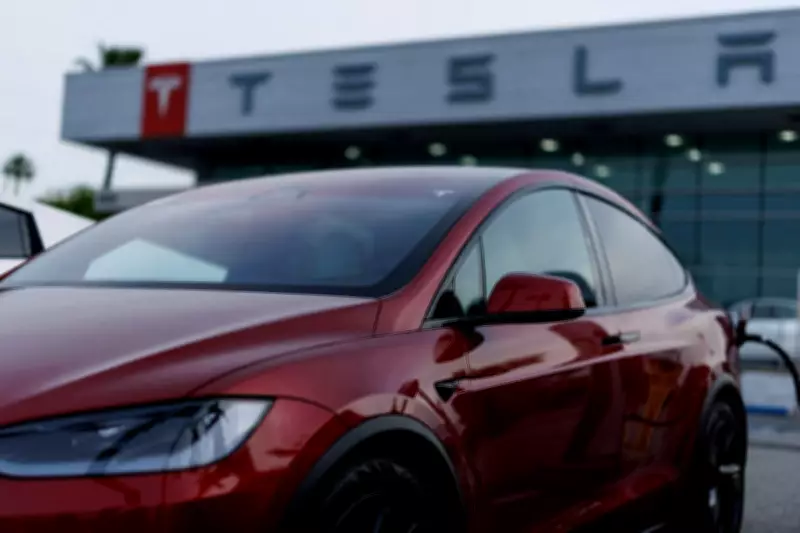
Tesla is currently embroiled in a significant legal dispute in California, where its marketing practices for the Autopilot feature have come under intense scrutiny. The case, which has garnered widespread attention, centers on allegations that the electric vehicle manufacturer may have misled consumers with claims about the self-driving capabilities of its technology.
Background of the Legal Challenge
The legal proceedings were initiated by regulatory authorities in California, who argue that Tesla's promotional materials for Autopilot could be deceptive. According to court documents, the company has been accused of overstating the system's abilities, potentially creating unrealistic expectations among buyers about the level of automation provided.
Key Allegations and Evidence
Prosecutors have presented evidence suggesting that Tesla's marketing campaigns, including online advertisements and official statements, have portrayed Autopilot as more advanced than it actually is. For instance, some materials have been cited for implying full self-driving functionality, even though the technology currently requires active driver supervision and is classified as a driver-assistance system.

This case is part of a broader trend of increased regulatory oversight in the autonomous vehicle industry. As companies like Tesla push the boundaries of innovation, authorities are stepping up efforts to ensure that marketing claims are accurate and do not compromise public safety.
Implications for the Automotive Sector
The outcome of this legal battle could have far-reaching consequences for Tesla and the wider automotive market. If found liable, Tesla might face substantial fines and be required to revise its marketing strategies. Moreover, the case could set a precedent for how other firms in the self-driving space advertise their technologies, potentially leading to stricter guidelines and enforcement actions.
Response from Tesla and Industry Reactions
Tesla has defended its marketing practices, stating that it has always been transparent about the limitations of Autopilot. The company argues that its communications clearly indicate the need for driver attention and that it complies with all relevant regulations. However, critics contend that the messaging has been ambiguous at times, contributing to confusion among consumers.
Industry experts have weighed in on the debate, noting that the rapid evolution of autonomous technology often outpaces regulatory frameworks. This mismatch can lead to legal gray areas, where marketing claims are scrutinized for potential misrepresentation. The California case is seen as a test of how courts will interpret these issues in the context of emerging tech.
Future Outlook and Regulatory Developments
Looking ahead, the legal proceedings are expected to continue for some time, with both sides preparing for a protracted court battle. In the meantime, regulatory bodies in California and beyond are likely to enhance their monitoring of autonomous vehicle marketing to prevent similar disputes.
This situation underscores the importance of clear and honest communication in the tech industry, especially when dealing with complex systems like self-driving cars. As Tesla navigates this challenge, the case serves as a reminder of the delicate balance between innovation and consumer protection in the fast-paced world of automotive technology.