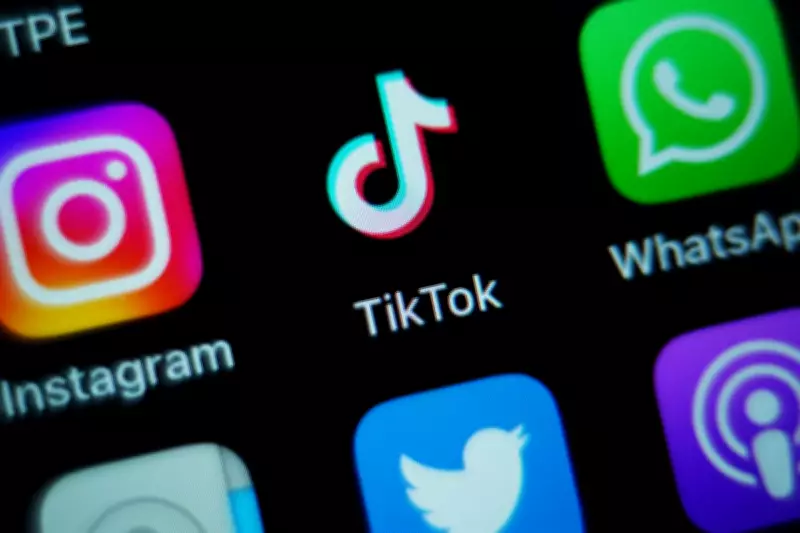
Momentum is building across India for a significant legislative move that could see a nationwide ban on social media access for individuals under the age of 16. This proposal, which has the potential to impact approximately 12 million minors, is gaining traction as discussions unfold at both state and national levels.
State-Level Initiatives and National Bill Proposal
Three Indian states – Andhra Pradesh, Karnataka, and Goa – are actively engaged in talks to implement rules that would restrict children's use of social media platforms. These regional efforts are part of a broader push to address concerns over online safety and the well-being of young users.
At the national level, a key ally of Prime Minister Narendra Modi's ruling Bharatiya Janata Party (BJP) has put forward a bill that would prohibit anyone under 16 from creating or maintaining a social media account. This proposed legislation aims to establish a uniform standard across the country, moving beyond the piecemeal approach of state regulations.

Age Verification Responsibilities and International Examples
The bill places the entire responsibility for age verification squarely on the shoulders of social media platforms. This measure is designed to ensure that companies take proactive steps to prevent underage access, rather than relying on parental oversight alone.
States advocating for these rules have pointed to Australia's recent similar measures as a model. Australia has implemented stringent age verification requirements for social media, and Indian policymakers are looking to learn from this example to craft effective regulations.
Economic and Regulatory Perspectives
India's chief economic adviser has voiced support for age-based access limits, emphasising the need for platforms to be accountable for enforcing age verification. Given India's vast internet user base – one of the largest in the world – this approach is seen as crucial for managing the scale of the issue.
The adviser highlighted that with millions of young users online, robust verification mechanisms are essential to protect minors from potential harms such as cyberbullying, inappropriate content, and data privacy risks. This stance aligns with growing global concerns about the impact of social media on youth mental health and development.
Implications for Social Media Platforms and Users
If enacted, the ban would require social media companies to overhaul their registration processes in India, implementing more rigorous age checks. This could involve technologies like digital ID verification or partnerships with government databases to confirm users' ages accurately.
For families, the legislation would mean that children under 16 might lose access to popular platforms, potentially shifting their online activities to more controlled environments or alternative services. Critics argue that while safety is paramount, a blanket ban could also limit educational and social opportunities, suggesting a need for balanced, nuanced policies.
The debate continues as stakeholders weigh the benefits of enhanced protection against the risks of overregulation in one of the world's most dynamic digital markets.