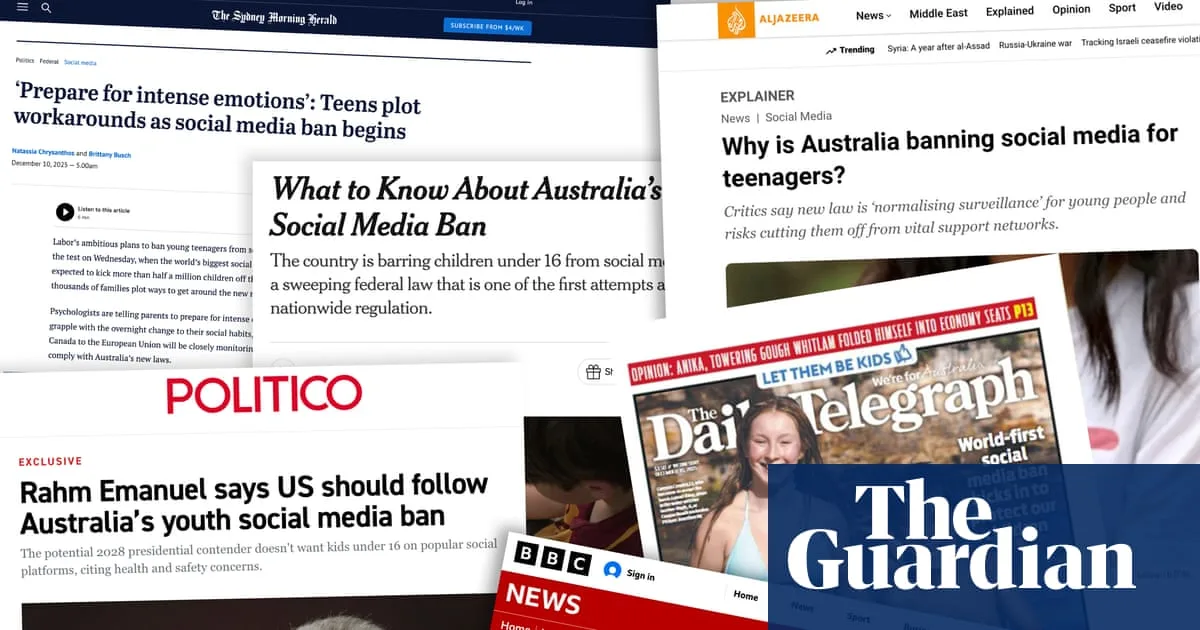
Australia's Social Media Ban for Teens: A Bold Experiment in Digital Wellbeing
Australia's Social Media Ban for Teens: Digital Experiment

Australia's Pioneering Social Media Ban for Teenagers

In a groundbreaking move, Australia has announced a comprehensive social media ban specifically targeting teenagers, positioning itself at the forefront of global efforts to address digital wellbeing among young people. This bold policy initiative represents one of the most significant regulatory interventions in the social media landscape to date, aiming to mitigate the potential negative impacts of excessive online engagement on adolescent development.

The Scope and Implementation of the Ban

The ban encompasses a wide range of popular social media platforms, including but not limited to Instagram, TikTok, Snapchat, and Facebook. Authorities have outlined a phased implementation strategy, beginning with educational campaigns to raise awareness among parents, schools, and teenagers themselves about the rationale behind the restrictions. Enforcement mechanisms are being developed in collaboration with technology companies, focusing on age verification processes and platform compliance measures.

Key aspects of the ban include:

  • Restricted access for users under the age of 16 during school hours
  • Daily time limits on social media usage outside of educational periods
  • Enhanced parental controls and monitoring tools
  • Mandatory digital literacy programs in schools

Rationale and Supporting Evidence

The decision follows extensive research conducted by Australian health authorities and academic institutions, which highlighted concerning correlations between prolonged social media use and rising rates of anxiety, depression, and sleep disorders among teenagers. Proponents of the ban argue that it is a necessary step to protect vulnerable young minds from the pressures of online comparison, cyberbullying, and algorithm-driven content that can exacerbate mental health issues.

"This is not about restricting freedom, but about creating a safer digital environment for our youth," stated a government spokesperson. "We have a responsibility to intervene where evidence suggests harm, and the data on social media's impact on teenage mental health is compelling."

Global Reactions and Comparative Analysis

The Australian initiative has sparked intense debate worldwide, with some countries expressing interest in adopting similar measures, while others caution against overly restrictive approaches. Critics of the ban raise concerns about potential infringements on digital rights, the practicality of enforcement, and the risk of driving teenage social media use underground onto less regulated platforms.

Comparisons are being drawn to regulatory efforts in other nations:

  1. France's limitations on social media advertising to minors
  2. The UK's Online Safety Act focusing on harmful content removal
  3. China's stringent controls on youth gaming and internet access

Potential Impacts and Future Considerations

Early projections suggest the ban could significantly alter how Australian teenagers interact with digital technology, potentially leading to increased face-to-face socialisation, more time for physical activities, and reduced exposure to harmful online content. However, experts also warn of unintended consequences, including the creation of digital divides between those who can circumvent restrictions and those who cannot, and the challenge of keeping pace with rapidly evolving social media technologies.

The Australian government has committed to ongoing evaluation of the ban's effectiveness, with plans for regular reviews of mental health data, academic performance metrics, and social wellbeing indicators among the teenage population. This experimental approach positions Australia as a living laboratory for digital policy innovation, with outcomes likely to influence global discussions about balancing technological access with protective regulation for young people navigating an increasingly connected world.