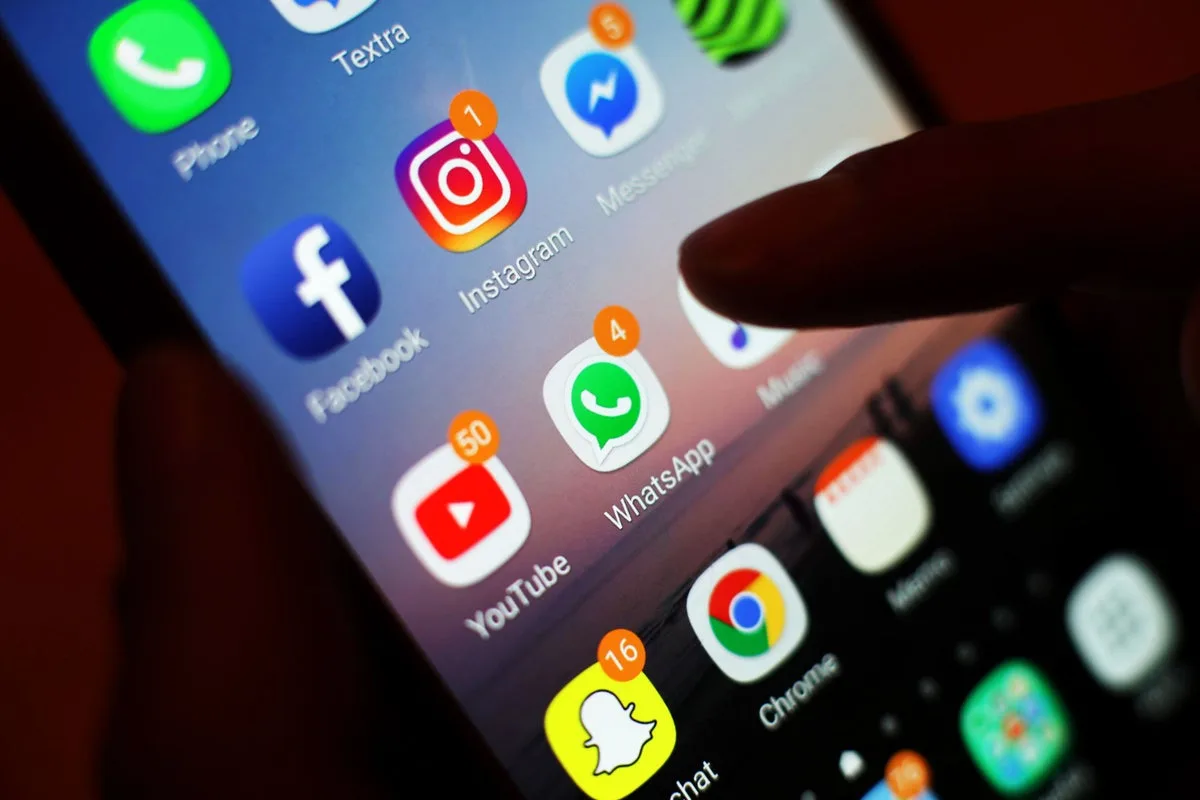
Four out of five Australian young people reported still accessing social media in the months after a ban for under-16s took effect, according to new research which threatens to cast doubts on the UK’s incoming restrictions.
The findings from a small study of the initial impacts of the world-first ban suggested “insufficient evidence of any substantive early effects”, the paper from the University of Newcastle, Australia, said.
The UK is set to have a ban in place on certain social media for under-16s by spring 2027, after an announcement by Sir Keir Starmer earlier this month. But critics have warned early evidence from Australia shows the ban fails to keep children off social media platforms and risks pushing children into less regulated spaces on the internet.

Australia introduced a blanket ban on social media for under-16s in December 2025. Technology secretary Liz Kendall has previously acknowledged the ban will not be a “complete silver bullet”, saying it is about providing clarity for parents and children and resetting expectations and social norms when it comes to young people’s use of social media.
The study, published by The BMJ, acknowledged the ban is still relatively new and suggested it could be a decade before the full impact of it is known. It said 408 children aged 12 to 17 were asked about their social media habits just before restrictions were introduced in December and then surveyed again three months later.
Researchers found some 85 per cent of participants aged under 16 reported still using social media platforms covered by the ban, mainly under their own accounts. Of these two thirds reported encountering some form of age verification, most commonly self-declared age, or uploading of a picture. Almost a fifth reported using a fake account to get around restrictions, while around 10 per cent said they used a private browser.