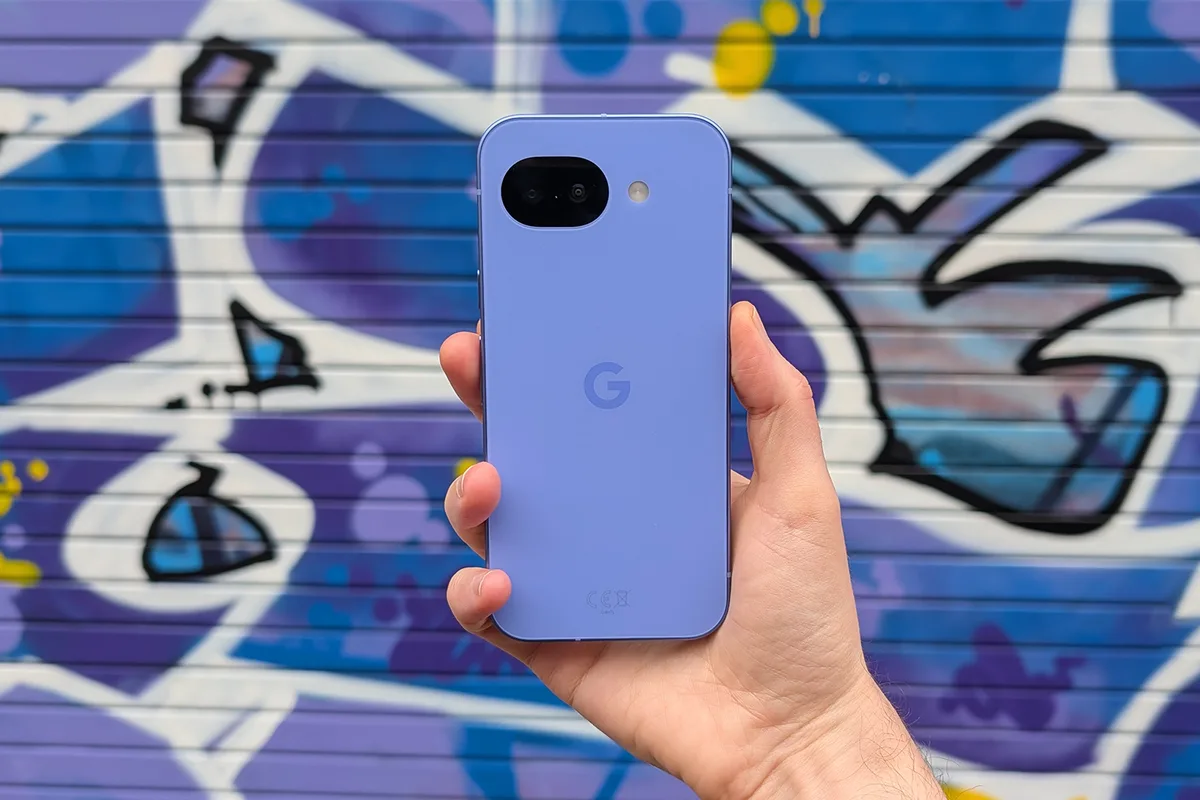
The Google Pixel 10a is the most marginal annual smartphone update this reviewer has seen, being virtually indistinguishable from last year's Pixel 9a. It retains the same Tensor G4 processor, identical camera hardware, and a nearly identical chassis, now with a perfectly flush back. While unexciting for tech journalists, the lack of physical upgrades does not diminish the phone's appeal for consumers upgrading from older devices, as the 9a's hardware was already ahead of the mid-range curve in 2025.
The Pixel 10a sports a matte plastic back and an aluminium frame, with an upgraded Corning Gorilla Glass 7i front display and IP68 water and dust resistance. The 6.3in OLED display remains excellent, featuring a 120Hz refresh rate and an 11% increase in peak brightness to 3,000 nits for better outdoor visibility. Despite chunky bezels, the screen is sharp and vibrant, offering fluid scrolling.
Performance is snappy thanks to the year-old Tensor G4, which remains a capable chip for everyday tasks, though not ideal for heavy gaming. The phone launches with Android 16, integrating Gemini AI deeply into the operating system. Features include contextual information from the screen and upcoming multi-step AI agents, though some Gemini functions are locked to Google apps like Messages.
At £499, the Pixel 10a is essentially a repackaged Pixel 9a with minor display and durability improvements. It remains one of the best cheap phones available, offering a solid camera, smooth performance, and a clean software experience with long-term update promises. For most users, the minimal upgrades are unlikely to matter.