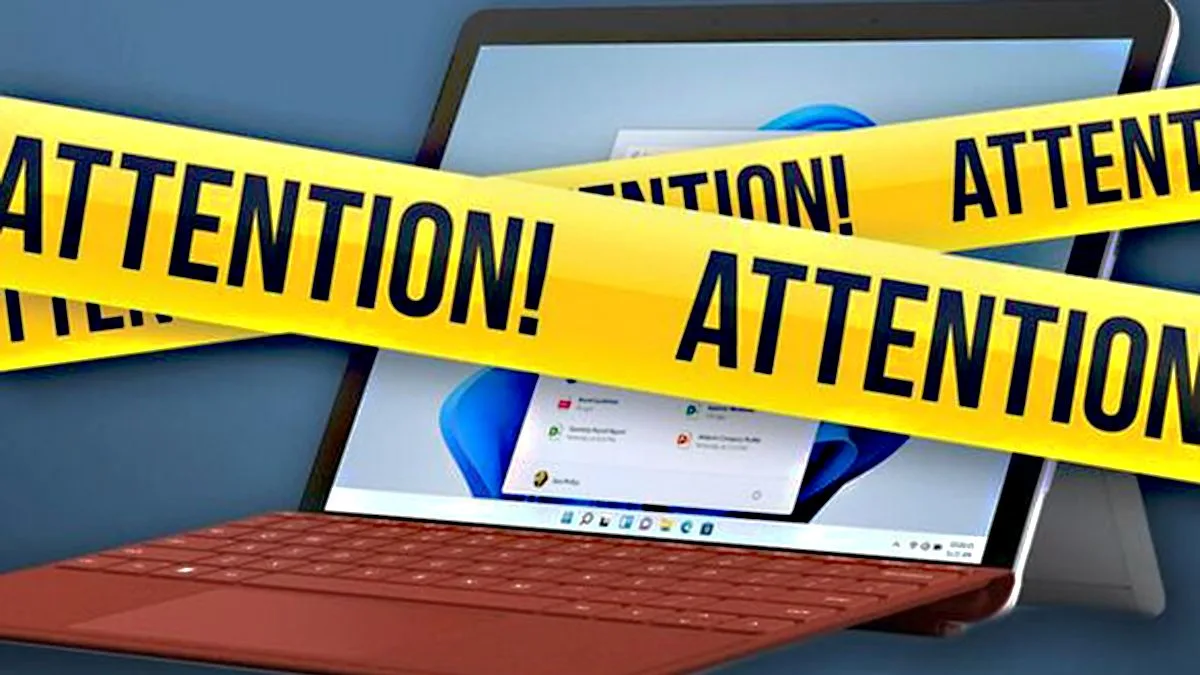
Windows Users Warned of Fake 'Urgent Update' Malware Scam
Windows Users Warned of Fake 'Urgent Update' Scam

Windows Users Placed on High Alert Over Sophisticated Fake Update Scam

Microsoft Windows users across the globe are being urged to exercise extreme caution following the discovery of a sophisticated new cyber scam. Security researchers have detected a dangerous campaign that tricks users into downloading malicious software disguised as legitimate Windows updates.

How the Scam Operates

Attackers are creating convincing fake websites that meticulously imitate official Microsoft support and Windows Update pages. These fraudulent sites replicate Microsoft's distinctive fonts, colour schemes, and overall design aesthetic. To enhance their credibility, they even use web addresses that appear authentic at first glance.

The scam typically begins when users receive emails, text messages, or notifications urging them to install what appears to be an urgent Windows update. These communications contain links directing victims to the counterfeit websites, which then prompt them to download what seems like a genuine update file.

Wide Pickt banner — collaborative shopping lists app for Telegram, phone mockup with grocery list

The Hidden Danger

In reality, the downloaded file contains dangerous malware designed to infiltrate systems and steal sensitive information. Once installed, this malicious software can harvest passwords, payment details, and various account credentials from compromised devices.

"If you receive any communication urging you to install an urgent update, resist the temptation to click the provided link," cybersecurity firm Malwarebytes has warned. "Instead, you should always navigate directly to your system's update settings through the official Windows interface."

Why This Scam Is Particularly Effective

The sophistication of this scam makes it especially dangerous. The downloaded files are crafted to appear completely genuine, helping them bypass suspicion from both users and some security software. This level of deception significantly increases the likelihood of successful infections.

Although initial reports suggest many current targets are located in France, cybersecurity experts emphasize that such campaigns can spread rapidly across borders. All Windows users, regardless of location, should remain vigilant.

Protection Recommendations

Security professionals offer several crucial recommendations for staying protected:

  • Never trust update links received through email, text messages, or social media platforms
  • Always use Windows' built-in update system by opening Start, navigating to Settings > Windows Update, and selecting "Check for updates"
  • Treat any website offering Windows updates as separate downloads with extreme suspicion
  • Enable automatic updates whenever possible to reduce the need for manual installations
  • Windows 11 users should be particularly cautious about unexpected messages claiming their device requires urgent updates

Installing software exclusively through official Microsoft channels remains the most effective defence against these sophisticated attacks. Regular security awareness and cautious online behaviour provide additional layers of protection against evolving cyber threats.

Pickt after-article banner — collaborative shopping lists app with family illustration