AP Investigation Reveals Background Issues Among New ICE Hires
AP Investigation Finds Problems in New ICE Officers' Backgrounds

AP Investigation Uncovers Background Issues in New ICE Officer Hires

An investigation by The Associated Press has revealed that some newly hired U.S. Immigration and Customs Enforcement officers commenced their duties before passing required background checks, with many possessing problematic financial, legal, and employment histories. This discovery raises significant concerns about the vetting process for roles with substantial authority and national security implications.

Rapid Hiring Spree and Its Consequences

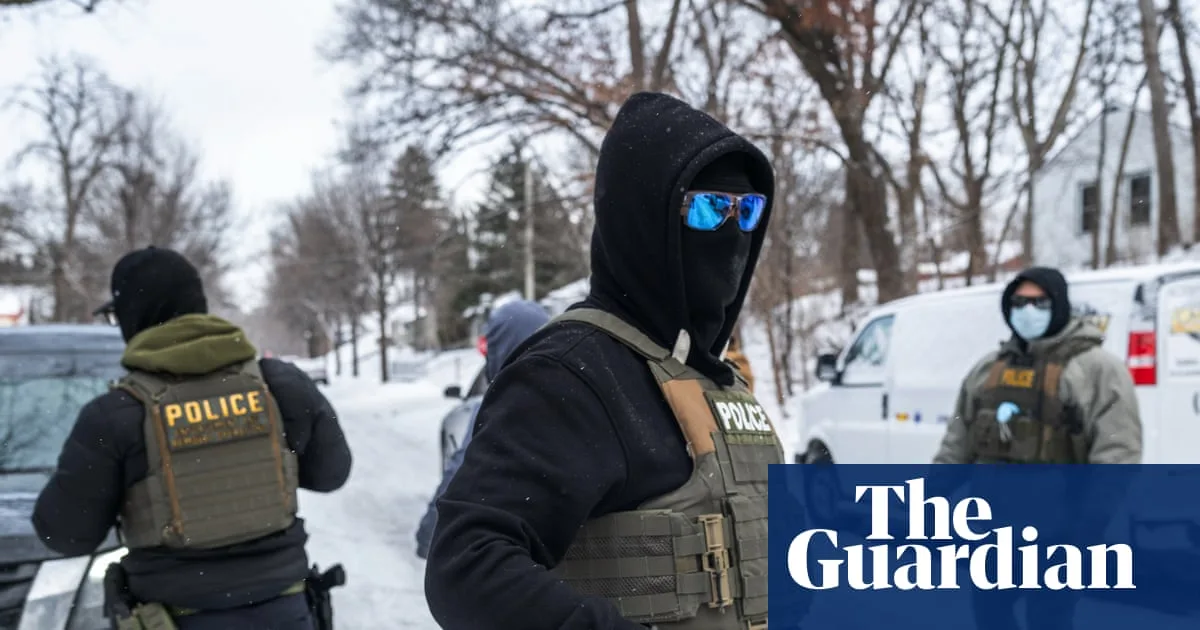
Earlier this year, ICE announced the completion of an unprecedented hiring campaign, adding 12,000 new officers and special agents to double its workforce. This expansion is aimed at supporting President Donald Trump's mass deportation initiatives, backed by a $75 billion congressional funding injection. However, the swift onboarding of these individuals onto the federal payroll has sparked alarm both within and outside the agency, given the critical nature of their positions.

Unlike numerous local law enforcement bodies, ICE maintains secrecy around employee identities, citing protection from harassment as a necessity. This opacity complicates a comprehensive assessment of the new hires. The AP focused on over 40 officers who publicly disclosed their ICE roles on LinkedIn, utilizing public records to scrutinize their backgrounds.

Wide Pickt banner — collaborative shopping lists app for Telegram, phone mockup with grocery list

Financial Instability Among New Hires

The investigation identified several new employees with financial difficulties. For instance, Carmine Gurliacci, 46, who resigned as a police officer in Richmond Hill, Georgia, to join ICE in Atlanta in December, filed for bankruptcy in 2022. Court documents indicate he reported no income and unemployment for two years after relocating from New York to Georgia, relying on a friend for housing in exchange for chores, while accumulating tens of thousands in unpaid debts, loans, bills, and child support. Gurliacci had previously filed for bankruptcy in 2013 in New York, listing $95,000 in liabilities. He declined to comment on the findings.

The AP uncovered two additional new ICE hires with recent bankruptcies, including an officer and an agency lawyer, alongside several others who faced lawsuits over unpaid debts. Claire Trickler-McNulty, a former ICE official across multiple administrations, noted that financial issues are a "pretty big red flag" due to potential susceptibility to bribery and extortion. This trend may be linked to ICE's aggressive recruitment, which advertised signing bonuses up to $50,000, attracting cash-strapped candidates.

Prior Misconduct Allegations

Another new hire, Andrew Penland, 29, joined ICE after resigning as a sheriff's deputy in Greenwood County, Kansas, in December. Penland's career primarily involved service in Bourbon County, Kansas, but he departed last year following a lawsuit alleging he arrested a woman on false charges in 2022. The county's insurer settled the lawsuit for $75,000. The plaintiff, June Bench, expressed outrage upon learning of Penland's ICE employment, having previously urged Kansas authorities to review his arrests and impose disciplinary measures. "That's scary to me. He abuses his power," Bench remarked regarding his new role.

After being contacted for comment, Penland deactivated his LinkedIn account and notified ICE of the inquiry but did not respond to the AP. The investigation found two other new ICE employees who had been sued for alleged improper use of force in prior law enforcement positions, though those cases were dismissed.

Incomplete Background Checks and Agency Response

The Department of Homeland Security, ICE's parent agency, did not address specific hiring decisions but acknowledged that some applicants received "tentative selection letters" and offers to begin work on a temporary basis before full background checks were completed. In a statement, the department emphasized, "ICE is committed to ensuring its law enforcement personnel are held to the highest standards and rigorously vets them throughout the hiring process. Vetting is an ongoing process, not a one-time occurrence."

Pickt after-article banner — collaborative shopping lists app with family illustration

The standard vetting process includes reviewing criminal histories, credit scores, and conducting background investigations with interviews of former employers and associates, which can span weeks. However, the surge in hires has strained the agency, which advertised that college degrees were not mandatory. An internal memo, initially reported by Reuters in February, instructed ICE supervisors to refer any "derogatory information about a newly hired employee's conduct" to an internal affairs unit for investigation, including details on terminations or forced resignations.

During a congressional hearing in February, ICE's acting director, Todd Lyons, expressed pride in the hiring campaign, which attracted over 220,000 applications. He stated, "This expansion of a well-trained and well-vetted workforce will help further ICE's ability to execute the president's and secretary's bold agenda." Despite this assurance, the AP's findings highlight ongoing challenges in maintaining rigorous standards amid rapid growth.




