An Iranian-linked hacker group known as Handala has publicly claimed responsibility for a significant cyberattack targeting Stryker, a major U.S.-based medical equipment company. The attack, which occurred on Wednesday, resulted in global systems going offline, causing widespread disruption for thousands of employees who were unable to access company networks.
Extent of the Cyberattack and Data Breach
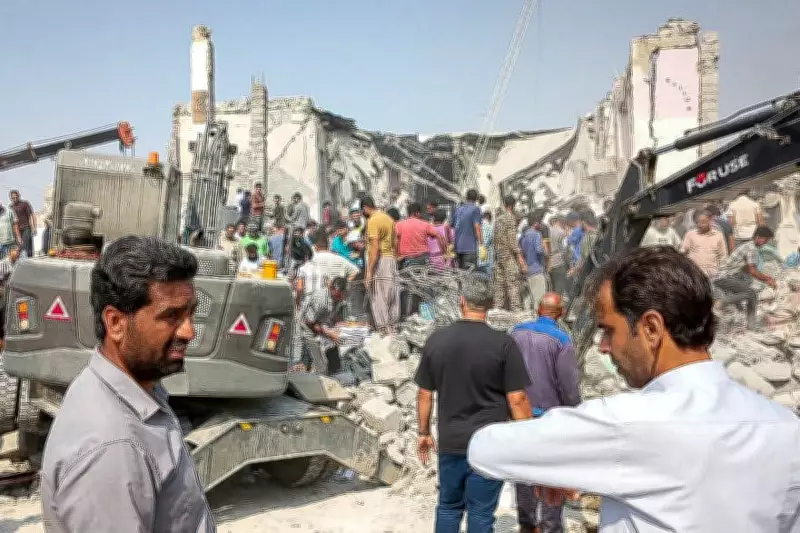
The cyberattack led to the wiping of over 200,000 systems and the extraction of approximately 50 terabytes of sensitive data. Handala stated that this aggressive action was carried out as direct retaliation for the Minab school attack in Iran, where reports indicate 170 people, including many children, lost their lives. The hacker group also cited ongoing cyber assaults against what they refer to as the "Axis of Resistance" as a motivating factor.
Stryker's Response and Corporate Background
Stryker confirmed experiencing a global network disruption within its Microsoft environment but emphasized that there is no current indication of ransomware or malware involvement. The company, which acquired Israeli medical technology firm OrthoSpace in 2019, has been labelled by Handala as a "Zionist-rooted corporation," linking the attack to broader geopolitical tensions.

Despite Stryker being a key supplier to numerous U.S. hospitals, the American Hospital Association has reported no direct impacts or disruptions to healthcare supply chains so far. This suggests that the immediate effects may be contained within Stryker's internal operations, though the long-term implications for data security and corporate integrity remain under scrutiny.
Geopolitical Context and Broader Implications
The cyberattack occurs against a backdrop of heightened tensions between Iran and the United States, with former President Donald Trump claiming ignorance as the Pentagon admitted that a U.S. missile struck the girls' school in Minab. This incident underscores the escalating use of cyber warfare as a tool for retaliation in international conflicts, raising concerns about the vulnerability of critical infrastructure in the medical and healthcare sectors.
As investigations continue, experts warn that such attacks could set a dangerous precedent, potentially leading to more frequent and severe cyber assaults on essential services worldwide. The targeting of a medical equipment giant highlights the need for enhanced cybersecurity measures across industries to protect against politically motivated hacking groups.