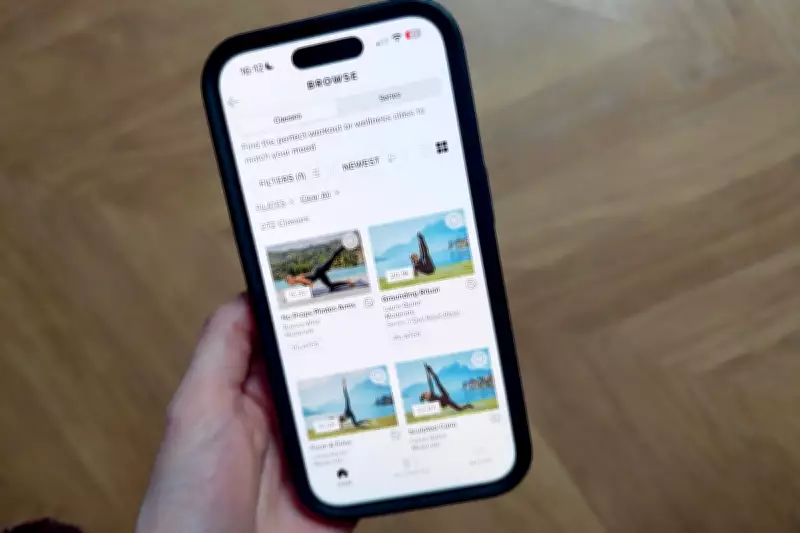
The Top 9 Fitness Apps for 2026: Expert Picks for Every Goal
Selecting the ideal fitness app can be a daunting task, with countless options flooding the market, each promising rapid results, tailored training plans, and advanced features. Whether you are a novice seeking guidance, a home exerciser needing flexibility, or a busy professional aiming to integrate workouts into a hectic schedule, the right app can transform your exercise routine into a more effective, enjoyable, and sustainable habit. From strength training and Pilates to running, yoga, and habit formation, today's premier fitness apps provide expert-led sessions, artificial intelligence capabilities, and adaptable programs accessible from any location.
As a seasoned fitness editor, I have identified the key elements that distinguish a valuable training tool from a subpar investment. In this comprehensive guide, I have rigorously tested and evaluated the top fitness apps available in the United Kingdom for 2026. Continue reading to uncover the best applications suited to your physical needs, personal objectives, and lifestyle preferences.
1. Nike Training Club: Best Fitness App Overall
Exercise Styles: Strength, mobility, high-intensity interval training, yoga, core, cardio.

Subscription Options: No subscription required.
Why We Love It: Expert-led workouts, a diverse range of exercise styles, and completely free with no hidden costs or paywalls.
Nike Training Club stands out as one of the finest entirely free workout applications on the market. It eliminates subscription fees, concealed in-app purchases, and access barriers, offering an extensive library of sessions guided by certified Nike coaches. These workouts encompass strength, cardio, high-intensity interval training, mobility, core exercises, and yoga flows, each categorised by goal and equipment requirements. Sessions vary from brief five-minute routines to comprehensive 30-minute programmes, making it an excellent choice for beginners. Utilise Nike's goal-setting tools to filter by intensity, duration, and location, allowing adjustments if any content feels too advanced. While it lacks the highly personalised training plans and detailed progress tracking of some paid alternatives, it remains a top-tier free resource with regularly updated content.
2. BetterMe: Best Fitness App for Weight Loss
Exercise Styles: Weight-loss circuits, bodyweight strength, mobility, walking or running suggestions, Pilates-style classes.
Subscription Options: Monthly or annual.
Why We Love It: Includes a fitness tracker for additional cost, adopts a holistic health approach with coaching on sleep and nutrition, and offers a vast array of exercises and challenges.
BetterMe is engineered as a comprehensive weight-loss and wellness platform, integrating exercise programmes with meal plans, habit trackers, and coaching support. Upon signing up, the app queries users about weight, height, age, and goals before recommending its video workout library and challenges. This library features bodyweight circuits, low-impact cardiovascular routines, beginner-friendly strength sessions, Pilates-style movements, and flexibility work, alongside tools to monitor steps, water intake, sleep, and mood. Pricing begins at approximately £9.99 per month for a full subscription, unlocking personalised plans and advanced analytics. A free tier exists but is quite limited. Structured challenges spanning weeks or months foster consistency, ideal for novices uncertain about starting points or progression rates. However, if weight management is not a priority, the app's focus on body composition may not suit you. Compatibility with BetterMe's own FitBit-style fitness tracker, priced at £70, enhances personalisation through biometric data for movement, sleep, and nutrition goals.
3. Alo Wellness Club: Best Free Fitness App
Exercise Styles: Pilates, yoga, barre, strength, meditation.
Subscription Options: Free for Alo Access members.
Why We Love It: Additional mindfulness and nutrition features, no upfront cost or subscription for members.

Previously, a paid subscription to the Alo Wellness Club app, formerly known as Alo Moves, cost around £17 to £18 per month with a 14-day free trial. For Alo Access members, the paywall has been removed, rendering much content technically free upon joining the loyalty programme. This app is renowned for its sleek design, high-production video classes, and expert instructors, offering over 4,000 on-demand workouts and 300 programmes. Classes primarily include yoga flows and Pilates, supplemented by stretching sessions and strength-focused routines. A significant advantage is the inclusion of nutrition content and mindfulness sessions, such as meditations and breathwork, which might otherwise require separate app subscriptions. Classes range from easy to hard, though some intermediate sessions can be rapid and challenging, especially for those unfamiliar with mat Pilates. Overall, it serves as an excellent free resource for members, with membership itself incurring no cost.
4. Runna: Best Fitness App for Runners
Exercise Styles: Running.
Subscription Options: Monthly or annually.
Why We Love It: Customisable plans, free couch-to-5k programme, favoured by professional runners.
Runna is centred on personalised running training plans, generating structured weekly schedules based on user experience, goals, and availability. These plans incorporate easy runs, interval sessions, tempo workouts, long runs, and rest days, all tailored to progression, alongside strength and mobility suggestions to boost performance and minimise injury risk. Since its 2021 launch, Runna has gained immense popularity globally, leading to its acquisition by exercise-tracking giant Strava in 2025. UK pricing typically hovers around £9.99 per month when billed annually, with a free seven-day trial. The free couch-to-5k and return-to-running options provide excellent entry points, while advanced runners can utilise marathon and tempo schedules. Senior fitness writer Harry Bullmore praised the app, noting its ability to streamline efforts and facilitate progress regardless of fitness level.
5. YogaGo by Well Tech: Best Fitness App for Yoga and Pilates
Exercise Styles: Classic yoga, Pilates, somatic yoga, Tai Chi, chair yoga, sofa yoga, flexibility.
Subscription Options: Monthly, three-monthly, or annually.
Why We Love It: Extensive range of classes and challenges, caters to all levels, particularly beneficial for beginners and time-limited individuals.
YogaGo's name is somewhat misleading, as it offers a broad library of low-impact movements including Pilates, Tai Chi, somatic exercises, chair yoga, and stretching. The app is free to download, but a subscription is required to access personalised plans and the full exercise library. Its strengths lie in variety and accessibility, with over 300 workouts across different styles and tailored plans based on goals and proficiency levels. Whether desiring a gentle seven to ten-minute stretch, a 20-minute Pilates session, or a month-long yoga progression plan, YogaGo delivers. Personal favourites include daily Tai Chi and wall Pilates sessions, ideal for desk-bound individuals seeking to enhance mobility with limited time.
6. FitBod: Best Fitness App for General Strength Training
Exercise Styles: Customised resistance training, bodyweight options, muscle-specific routines.
Subscription Options: Monthly or annually.
Why We Love It: Affordable, offers a range of exercise styles.
FitBod is among the most data-driven strength training applications, utilising past workouts, goals, and equipment to generate custom plans. It functions less as a follow-along class app and more as a personalised strength coach, prescribing workouts with varying sets, repetitions, and weights, and adapting them over time. It is also effective for tracking progress and expanding knowledge of strength training, especially useful for gym newcomers uncertain about training muscle groups, equipment usage, or maintaining consistency. Pricing typically ranges from £8 to £12 per month or around £99.99 annually, with promotions available and a free trial for testing. While the aesthetic may appeal to gym enthusiasts, FitBod suits all levels, with AI adaptation helping prevent plateaus by varying exercises and weights.
7. The Yoga Class: Best Fitness App for Yoga at Home
Exercise Styles: Yoga flows, meditative sequences, mobility-focused sessions.
Subscription Options: Monthly or annual.
Why We Love It: Diverse movement styles, additional features like news of in-person classes and retreats, 14-day free trial.
The Yoga Class is tailored for individuals seeking an authentic, flexible at-home practice, offering over 500 video classes across levels, durations, and goals. Users can select gentle stretches, flowing Vinyasa, or longer sessions to deepen mobility, with added stretches, soundscapes, meditations for sleep, nervous system reset, focus, face yoga, and nutritionist-developed recipes. The app features a clean, intuitive interface for filtering by class length, level, and target area, with mindful, slow-to-moderate pacing and clear verbal cues for proper alignment without rush. A 14-day trial period allows evaluation before subscribing at £15.99 monthly or £139 annually.
8. Pliability: Best Fitness App for Mobility
Exercise Styles: Stretching flows, mobility drills, recovery sequences.
Subscription Options: Monthly or annual.
Why We Love It: Supports daily mobility, excellent for recovery and injury prevention, integrates well with fitness trackers.
Pliability, formerly known as Romwod, is a mobility-first fitness app designed to enhance flexibility, reduce stiffness, accelerate recovery, and improve movement quality. It differs from other apps by focusing on body awareness through guided stretching sequences and mobility routines, targeting joints, muscle tension, posture, and performance. Ideal for runners, gym-goers, athletes, and sedentary individuals, it offers over 1,700 guided routines tailored by body region and training goals, with sessions lasting 10 to 20 minutes and requiring no equipment. Integration with fitness trackers like Whoop and Garmin is particularly effective. A free seven-day trial facilitates testing, with full access available via monthly or annual subscriptions of £15.99 or £139.99.
9. YogiFi: Best for Personalised Yoga Sessions
Exercise Styles: Yoga flows, breathwork, meditation, posture training.
Subscription Options: Monthly.
Why We Love It: Smart mat includes three-month app subscription, app provides posture feedback and coaching.
YogiFi is a yoga-centric application that combines personalised yoga sessions with posture feedback, a feature often absent in other fitness apps. It connects seamlessly with YogiFi's smart mat, employing AI features to offer real-time prompts during practice, simulating an in-room teacher. The app can be used without the mat, hosting numerous guided routines, but the feedback distinguishes it. Designed for flexibility, it offers short daily practices, breathing and meditation sessions, and adaptability based on goals and wellness needs, tracking activity whether for brief morning stretches or longer flows. Premium services like one-on-one coach connections and wearable integration require upgrades, but for home exercisers, it represents a valuable investment akin to Peloton for yoga. The mat, priced between £195 and £240, includes a three-month app subscription, after which it costs £5.99 monthly.
What Is the Best Fitness App?
The premier fitness apps provide personalisation, value for money, a consistent content library, and support for progress and goals. For cardio enthusiasts aiming to start running, Runna is recommended. If weight management is a priority, BetterMe offers a wide range of exercise styles while tracking progress through body composition and lifestyle habits. However, for the best free experience, Nike Training Club remains the top choice.
How I Tested and Selected the Best Fitness Apps
With extensive experience trying numerous fitness apps, I have developed a keen understanding of effective technology. For this evaluation, I established a specific checklist of essential criteria, setting challenges and following various plans while assessing each app on fundamental aspects. During testing, I considered the following factors:
- User Experience and Design: I downloaded each app, approaching them as a complete beginner to evaluate sign-up processes, navigation clarity, and instructional design.
- Content Volume: I judged the number of classes, courses, and progression opportunities, valuing apps with ample options for different ability levels.
- Personalisation: I sought apps capable of adapting to specific needs, assessing whether personalisation features genuinely assisted or merely served as embellishments.
- Extra Features: I considered additional elements such as connectivity with wearables like smart rings, watches, or Whoop, along with extras like equipment, subscription offers, and built-in coaches.
- Value for Money: I noted sign-up fees, deals, offers, and subscription models, eliminating apps that provided insufficient value for high costs.
Why You Can Trust These Reviews
Emilie Lavinia is a fitness and wellbeing editor with extensive experience testing countless apps dedicated to fitness, strength, and mobility. From applications teaching Tai Chi fundamentals to those coaching marathon personal bests, she has applied her expertise to select the best options, ensuring reliable and informed recommendations.