Strong Public Support for Social Media Age Restrictions
New polling has revealed that two-thirds of Britons support a social media ban for children under the age of 16. The survey, conducted by the think tank The Good Growth Foundation, found that 66 per cent of respondents back an Australian-style prohibition for young people, highlighting widespread concern about online safety and mental health.
Cross-Party Consensus on Age Limits
The research uncovered significant majorities in favour of new age restrictions across Britain's major political parties. According to the findings, 78 per cent of Conservative voters, 70 per cent of Reform UK voters, and 69 per cent of Labour voters support the measure. Notably, three-quarters (75 per cent) of those who voted for Labour at the 2024 general election but are now considering voting for Reform also endorse a ban, indicating broad public appetite for action.
Government Announces Swift Consultation
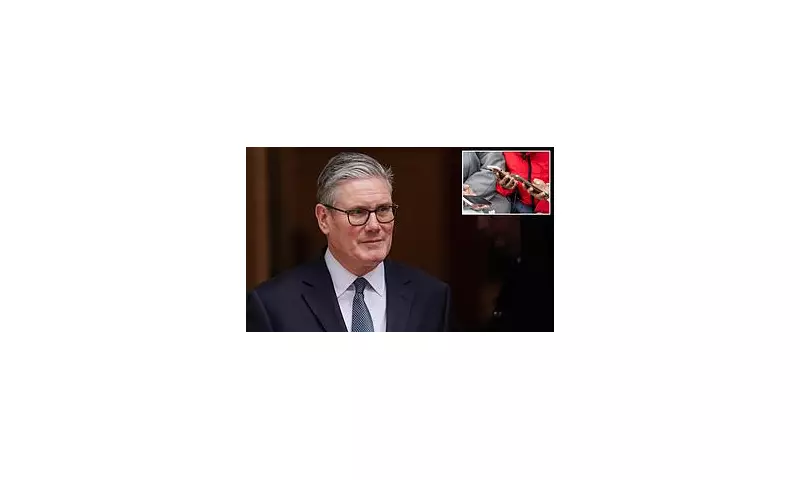
This comes as Prime Minister Sir Keir Starmer announced a consultation on an Australian-style social media ban, marking a shift from his previous personal opposition to a blanket restriction. The government will examine restricting access to sites and apps for under-16s, aiming to address a potential backbench rebellion after 61 Labour MPs demanded 'urgent action' to raise the minimum age.

In a statement to the House of Commons, Technology Secretary Liz Kendall confirmed the consultation will include options such as banning social media for children under 16 and raising the digital age of consent to protect children's data. She told MPs: 'We will bring forward a swift three-month consultation on further measures to keep children safe online.'
Additional Measures Under Consideration
The consultation will also explore a range of other protective measures. These include overnight curfews and breaks to prevent excessive use or 'doomscrolling', alongside efforts to enforce existing age verification laws more rigorously and address concerns about VPNs circumventing protections. Ministers plan to visit Australia, where a social media ban for under-16s was implemented in December, as part of their review.
Political Reactions and Campaigner Views
Conservative leader Kemi Badenoch criticised the consultation as 'more dither and delay' from Labour, pledging that her party would introduce a ban for under-16s if in power. Meanwhile, campaigners have voiced mixed opinions. Esther Ghey, whose daughter Brianna was murdered by teenagers in 2023, called a ban 'a vital step in protecting children online'.
Ian Russell of the Molly Rose Foundation cautioned against a simplistic approach, stating: 'In the last few days, parents have been presented with a false choice between a toxic status quo and a social media ban that risks unintended consequences.' He urged strengthening the Online Safety Act to address harmful design choices affecting children's digital wellbeing.
Underlying Mental Health Crisis
Louisa Dollimore, director of strategy at The Good Growth Foundation, linked the poll results to a growing mental health crisis among youth. She said: 'This overwhelming public support comes at a time when a growing number of young people are leaving school and falling out of work due to mental health problems. We have a crisis with one million young people not in employment, education or training.'
She emphasised that decisive action is needed to tackle the pressures social media places on young people, which may impact their life chances. The foundation's survey, a member of the British Polling Council, polled 2,000 people between 16 and 19 January, providing a robust snapshot of public opinion on this critical issue.