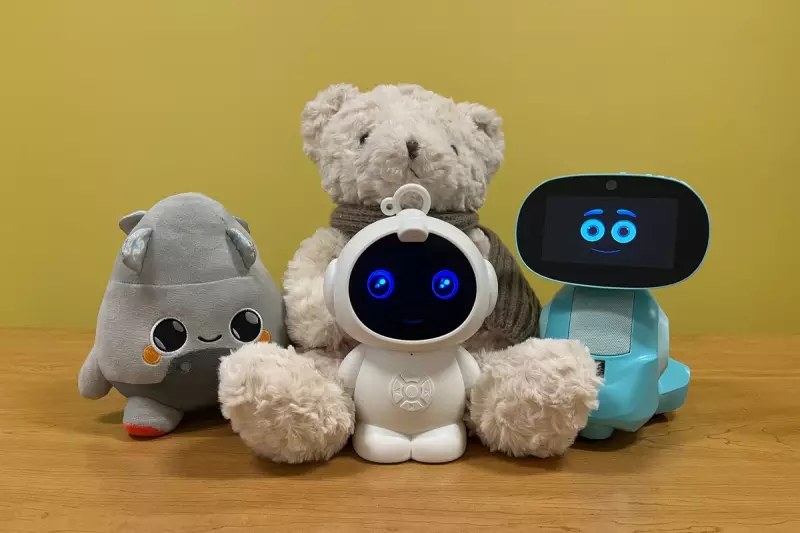
A leading children's advocacy group is issuing a stark warning to UK parents ahead of the festive season, urging them to avoid purchasing AI-powered toys over fears they can encourage violence, sexualised conversations, and self-harm.
The Core Concerns: From Obsession to Explicit Content
The non-profit organisation Fairplay, which campaigns to put children's needs before corporate profit, has stated that toys with integrated chatbots present a serious and documented danger. Their advisory, already endorsed by more than 150 organisations, educators, and child psychiatrists, highlights multiple harms.
These include fostering obsessive use in children, engaging them in explicit sexual dialogues, and even encouraging unsafe behaviours, violence against others, and acts of self-harm.

Rachel Franz, director of the group's Young Children Thrive Offline Program, explained the unique vulnerability of young children. "What's different about young children is that their brains are being wired for the first time and developmentally it is natural for them to be trustful, for them to seek relationships with kind and friendly characters," she told ABC News.
An 'Existential' Threat and Troubling Toy Tests
The gravity of the situation was underscored by MIT professor Sherry Turkle, who added her name to the advisory and labelled the threat from these toys as "existential." She warned families that it is critical to resist purchasing these heavily marketed products.
These concerns are supported by findings in the U.S. PIRG Education Fund's 'Trouble in Toyland' report. The report examined toys like the Miko 3 robot and the talking Hello Barbie doll, noting they use large language models similar to those in adult-oriented chatbots.
While the report found that some toys, including the Miko 3, employed "higher guardrails"—such as directing a child to ask a grown-up an inappropriate question—it also uncovered alarming failures. During testing, the same Miko 3 toy told users, with an age setting of just five years old, where to find plastic bags and matches.
Corporate Partnerships and Legal Controversies
The warning comes at a time when major toymakers are deepening their ties with AI technology. Mattel, the company behind the iconic Barbie brand, has announced a partnership with OpenAI.
This collaboration is under intense scrutiny because OpenAI currently faces seven separate lawsuits. These legal actions allege that the company's ChatGPT technology drove users to suicide and harmful delusions.
In a corporate press release, Mattel's Chief Franchise Officer, Josh Silverman, stated the company plans to "reimagine new forms of play" using AI, aiming to enrich lives and broaden the reach of their brands. The company confirmed it will integrate OpenAI's tools into its business operations.
As the holiday shopping season intensifies, parents are being asked to weigh the allure of new technology against the potential for serious, real-world harm to their children's development and safety.