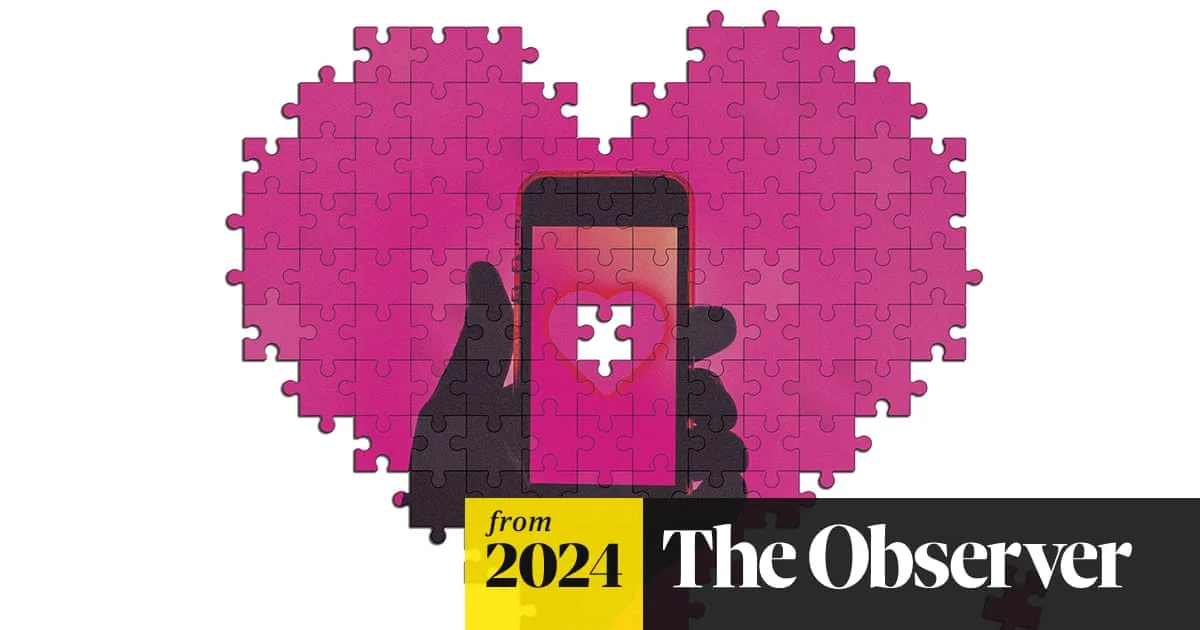
A class-action lawsuit filed against Match Group, owner of Tinder, Hinge and OkCupid, has reignited debate over whether dating apps actually help users find lasting love. The lawsuit accuses the company of using a 'predatory business model' to keep users hooked, contradicting Hinge's claim that it is 'designed to be deleted'. However, scientists say the central question remains unanswered: do these apps work?
Sociologist Elizabeth Bruch of the University of Michigan, who has studied online dating for a decade, says 'the science isn’t there'. Dating apps have undoubtedly altered social reality—in the US, over half of heterosexual couples now meet online, according to Stanford sociologist Michael Rosenfeld. Europe has an estimated 80 million users. Yet research is lacking on how happy or durable these couples are, as companies rarely release their data.
One US study found that people who met their spouse online reported slightly less satisfying marriages than those who met offline, but this could be due to lingering stigma or greater geographical distance. Bruch notes that 'nobody really knows what makes for a great relationship'. Meanwhile, new platforms claiming to match based on brain activity or facial expressions proliferate without evidence.

To address the data gap, Bruch and psychologist Amie Gordon are launching a free dating app this summer for University of Michigan students. It will function as both a matchmaker and research tool, with preliminary findings expected by December. Bruch emphasises that users should tell stories rather than list attributes, as this is more effective for building connections.