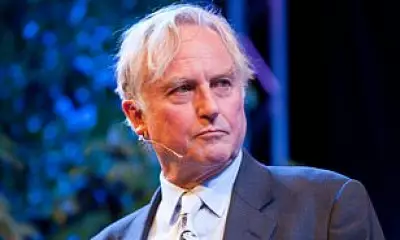
Hollywood actor Hugh Grant has publicly endorsed calls for a social media ban for children under the age of 16, describing the current situation as placing parents in an 'impossible position' regarding online harms. The high-profile intervention comes as the government initiates a formal consultation process to examine the potential implementation of such a restriction.
Government Consultation Announced
Technology Secretary Liz Kendall has announced a comprehensive three-month consultation into the possibility of banning social media access for under-16s. This move follows mounting pressure from campaigners and concerned parents who argue that digital platforms pose significant risks to young people's mental health and wellbeing.
Parliamentary Debate Looms
The House of Lords is scheduled to debate an amendment to the Children's Wellbeing and Schools Bill, proposed by former schools minister Lord Nash, which specifically seeks to raise the social media age limit. This legislative development coincides with the government's consultation announcement, creating a significant moment in the ongoing discussion about children's online safety.

Celebrity Support and Parental Concerns
Hugh Grant is among the prominent signatories of a letter addressed to political leaders, including Esther Ghey, whose daughter Brianna was tragically murdered. The correspondence highlights alarming statistics, revealing that 93 per cent of parents believe social media platforms are actively harming children. Prime Minister Sir Keir Starmer has acknowledged the issue as a 'real concern to parents' across the nation.
Campaigner Arguments
Proponents of the ban argue that evidence demonstrating the harmful effects of social media on young people is 'overwhelming'. They point to numerous studies linking excessive social media use with increased rates of anxiety, depression, and other mental health issues among adolescents.
Counterarguments and Practical Considerations
Despite the growing momentum for restrictions, some advocacy groups and technology experts caution that a blanket ban might represent a 'blunt response' to a complex problem. Critics argue that such measures could fail to address the fundamental responsibilities of technology companies or the practical challenges of implementation and enforcement.
These experts suggest that more nuanced approaches, including improved age verification systems, enhanced parental controls, and greater platform accountability, might prove more effective in protecting young users while avoiding potential unintended consequences of outright prohibition.
Broader Implications
The debate extends beyond simple access restrictions, touching on fundamental questions about digital citizenship, corporate responsibility, and the role of government in regulating emerging technologies. As the consultation progresses, stakeholders from various sectors are expected to contribute perspectives on balancing protection with digital literacy and freedom.
The outcome of both the parliamentary debate and the government consultation could establish significant precedents for how the United Kingdom approaches children's digital safety in the coming years, potentially influencing international policy discussions on similar issues.