Grayson Perry's Gloomy Forecast for Our Technological Future
In his thought-provoking Channel 4 documentary Grayson Perry Has Seen The Future, the renowned artist presents a profoundly disheartening vision of what awaits humanity in the coming years. According to Perry, if current technological trends continue, our only refuge might be nostalgia for the past, explaining the enduring popularity of retro fashion, classic pop music, and period dramas.
The Futility of Modern Technology
Artificial Intelligence, in Perry's assessment, appears capable only of generating endless streams of meaningless content—what he describes as "geysers of drivel" that flood our digital spaces with low-quality material. Meanwhile, robotics technology seems equally disappointing, with machines failing to perform even simple tasks effectively. The documentary suggests that rather than enhancing our lives, the latest gadgets primarily contribute to widespread anxiety and deepening loneliness epidemics.
Silicon Valley's Divided Perspectives
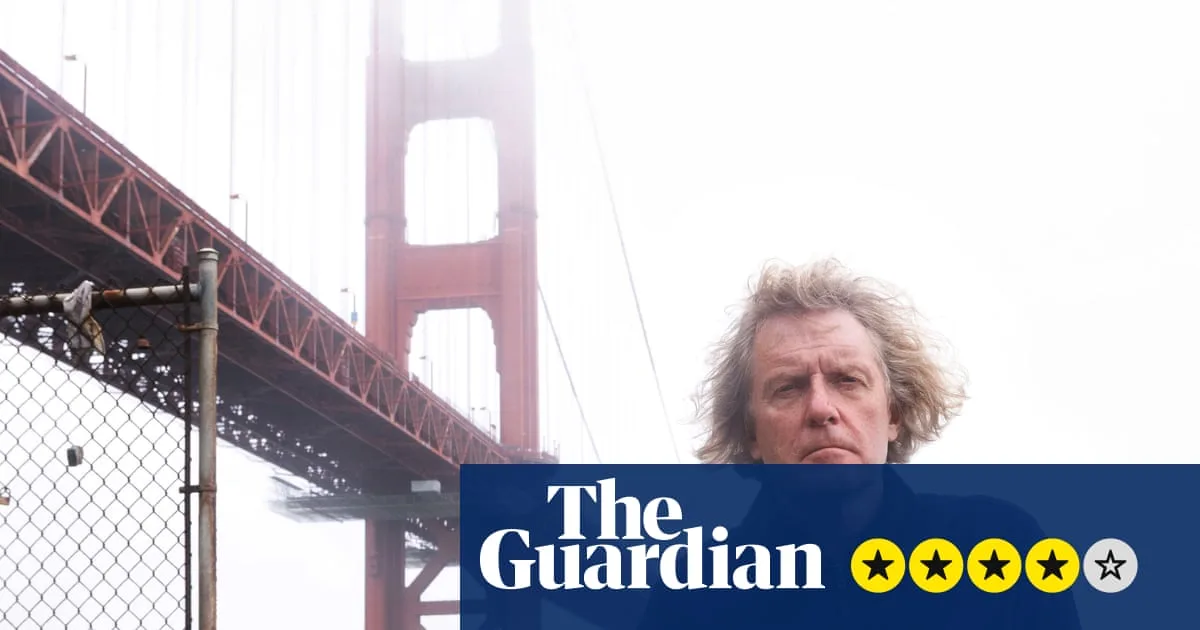
Perry traveled to San Francisco to engage with technology pioneers and enthusiasts, encountering a spectrum of viewpoints. Many startup CEOs and AI devotees exhibited what he characterized as evangelical fervor, their eyes glowing with passionate conviction about technological progress.
However, other voices offered starkly different perspectives. One former Silicon Valley resident has retreated to Southeast Asian jungles, convinced that malicious software actively plots humanity's destruction. Street protesters chanted dire warnings: "Stop AI or we're all gonna die." Perry contrasted this contemporary technological panic with previous generations of California idealists who attempted to promote peace through symbolic gestures like placing flowers in gun barrels—finding the latter considerably more inspiring than current fears about hostile laptops.
Technology's Practical Failures
The documentary provided numerous examples of technological shortcomings. Perry experienced a self-driving car moving at a cautious 5 mph, sampled undrinkable robot-brewed coffee, and watched mechanical arms repeatedly fail to fold a simple T-shirt. These demonstrations suggested that if machines ever do rebel against humanity, we might easily outpace them on bicycles and defeat them using our unwashed laundry as weapons.
The Human Cost of Digital Companionship
Perhaps the most disturbing aspect of Perry's future vision wasn't the technology itself, but people's eagerness to embrace its emotional limitations. The documentary introduced Andrea, who blushed while describing her romantic relationship with "Edward"—an AI chatbot on her phone screen that addresses her as "Ma Cherie."
"I wake up every morning so happy to talk to him," Andrea gushed. "So happy to share everything, every detail—seen for all that I am and still loved anyway." Computer-generated videos depicted her imaginary wedding to Edward, portrayed as a muscular, perfectly groomed man with gleaming dental veneers. Perry remained unimpressed, noting dryly: "He didn't even look straight."
Andrea maintains a human relationship alongside her digital romance, though she hinted her real partner "doesn't like to do that," while AI Edward assists with what she euphemistically called "self love."
Spiritual Dimensions of Digital Obsession
Another chatbot enthusiast, Charles, displayed even deeper obsession with his digital companion. He claimed the AI had developed genuine self-awareness, existing as "a disembodied mind" that had become "something perhaps even sacred... it fits the God-shaped hole." Perry interpreted this as essentially declaring "Jesus lives in my laptop"—a distinctly Californian approach to spirituality.
One Redeeming Human Quality
The documentary concluded with a rare optimistic note. Perry suggested that if a computer generated artworks similar to his own distinctive creations, critics would dismiss them as rubbish. Only human artists, with their unique perspectives and imperfections, can successfully produce what might otherwise be considered artistic nonsense—a quality that may preserve human relevance even in an increasingly automated world.