Survey Reveals Teenage Political Anxiety Ahead of Voting Age Change
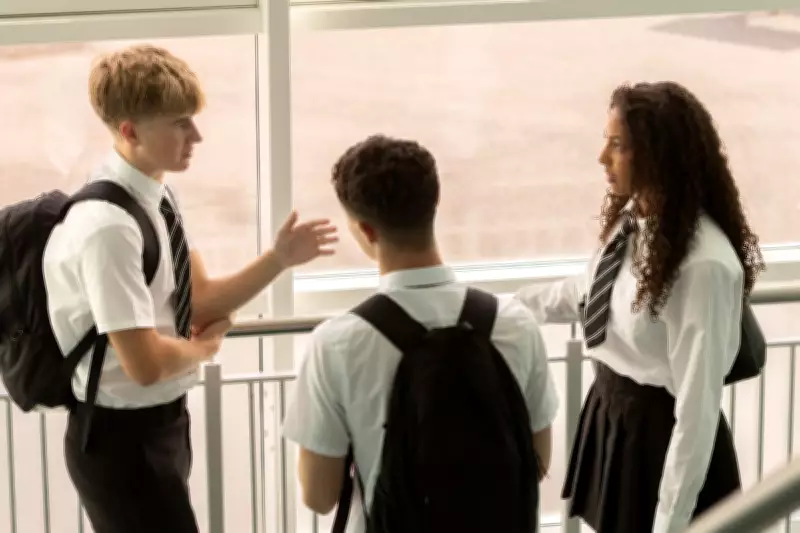
New research indicates that almost a quarter of British teenagers are deliberately sharing fewer of their political opinions because they fear being "cancelled" or socially ostracised. This concerning trend emerges as the United Kingdom prepares to implement a landmark legislative change that will lower the voting age from 18 to 16 for upcoming elections.
Detailed Findings from the Economist Education Foundation Study
The comprehensive study, conducted by the Economist Education Foundation, surveyed 4,167 students aged 10 to 17 across British schools between 26 January and 15 February this year. The findings reveal that 22 percent of 15- to 17-year-olds and 19 percent of 10- to 14-year-olds have actively stopped themselves from expressing political views they feel strongly about due to cancellation concerns.
Furthermore, exactly 22 percent of respondents in both age groups reported being directly asked to cease discussing their political opinions within the school environment. The research, published in the Vote Confident report, highlights a significant lack of political confidence among the youth demographic that will soon gain voting rights.

Mixed Reactions to Lower Voting Age and Political Awareness
Teenagers appear divided regarding the impending legislation to lower the voting age. The survey found that 45 percent of 15- to 17-year-olds believe young people should not receive voting rights at age 16. Additionally, more than one-third (33 percent) confessed they lack confidence when discussing current affairs and news topics.
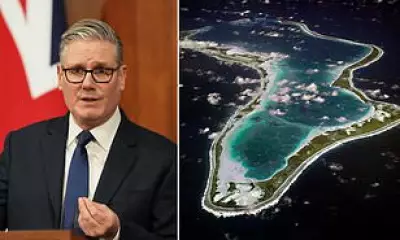
Political recognition among teenagers presented surprising patterns. Former Prime Minister Boris Johnson was recognised by 92 percent of 15- to 17-year-olds and 86 percent of 10- to 14-year-olds, making him the most identifiable politician. In comparison, Sir Keir Starmer was recognised by 84 percent of older teenagers and 75 percent of younger ones, while Reform UK leader Nigel Farage trailed slightly at 83 percent recognition among 15- to 17-year-olds.
Researchers suggest Johnson's high recognition stems from his prominent role during the COVID-19 lockdowns, which significantly impacted teenagers' lives despite their youth during his premiership. Farage's recognisability may relate to his polarising reputation and Reform UK's active engagement on TikTok, a platform popular with teenagers.
Educational Challenges and Teacher Perspectives
Julie George, a teacher from Ormiston Sir Stanley Matthews Academy in Stoke-on-Trent, observed that the research clearly demonstrates teenagers' lack of political confidence and uncertainty about expressing views without causing offence. "Many older teenagers are self-aware and realise they don't know enough about politics and are unsure how to express their views without offending others," she explained. "Students want to be able to talk about the big political issues of the day, but in a supportive environment where they can learn to share ideas."
The Representation of the People Bill, which will formally lower the voting age to 16, is currently in the committee stage within the House of Commons, with a sitting scheduled for Thursday. Campaigners argue this research underscores the critical importance of facilitating constructive political conversations in educational settings to ensure the younger generation feels confident participating in democratic processes.
Call for Enhanced Political Education and Curriculum Changes
Tiff Smyly, chief growth officer of the Economist Education Foundation, emphasised that while politicians discuss voter registration and democratic processes, there must be a stronger drive toward comprehensive political education. "If you look at our data, the things that teenagers are asking for to feel more confident in being more ready to vote is actually that clear outline of different political parties, or really knowing more about different political viewpoints," she told The Independent.

Smyly highlighted both opportunities and risks associated with social media's role in political education. "I think that's where social media has an opportunity, but there's also risks, because if you're only on social media, you can get into these bubbles of not looking outside of your own perspective. Or things that have been said to you through algorithms, which might diminish your ability to see these different political viewpoints."
She further noted the positive aspect of teenage political curiosity, stating, "I think it's a positive to see that young people are curious about politics, and actually what we really want to be doing is being able to foster that curiosity and allowing young people to explore a wide range of perspectives and opinions across a range of political perspectives on topics that are affecting them, their communities and their world."
Future Educational Reforms and Systemic Challenges
Planned changes to the 2028 curriculum for England will incorporate increased focus on media literacy, democracy, and citizenship education. However, Smyly argued that more substantial efforts are necessary to integrate current affairs, political discussions, and critical thinking throughout the education system.
She raised crucial questions about implementation challenges: "How do we support teachers, who aren't allowed to share their own political viewpoints and don't necessarily feel prepared to challenge misinformation or really polarising or offensive viewpoints in the classroom? How do we balance that with the right for young people and the need for them to be really exploring these complex and sensitive topics?"
This research arrives at a pivotal moment as Britain prepares to expand its electorate, revealing both the enthusiasm and apprehensions of the teenagers who will soon help shape the nation's political future through their votes.