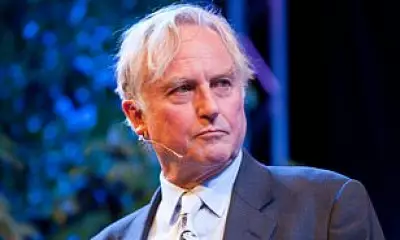
A disturbing demonstration has laid bare the frightening ease with which artificial intelligence can be used to create hyper-realistic deepfake videos, with a fabricated clip of tech billionaire Elon Musk at the centre of a growing storm. The video, which experts warn is a harbinger of a new wave of sophisticated fraud, has intensified calls for urgent regulatory action in the United Kingdom.
The Convincing Con: How the Deepfake Was Created
The alarming footage, analysed by digital forensics expert Professor Jon Brady, shows a remarkably lifelike simulation of Elon Musk. In the clip, the fake Musk appears to enthusiastically endorse a fraudulent investment scheme. What makes this instance particularly troubling is the sheer accessibility of the technology used to create it.
Professor Brady revealed that the deepfake was generated using Grok, the AI chatbot developed by Musk's own company, xAI. This ironic twist highlights the dual-edged nature of advanced AI tools. The process, Brady explained, did not require months of technical training or expensive software. Instead, it was produced with relative simplicity, underscoring that this powerful and potentially dangerous capability is now within reach of everyday internet users with malicious intent.

The video's release coincides with mounting concern from UK security officials and policymakers, who are grappling with the implications of AI-generated disinformation for national security and public trust.
Immediate Fallout and the Push for a UK Ban
The emergence of this sophisticated deepfake has acted as a catalyst for immediate action. Authorities and watchdogs are now urgently examining the legal and regulatory frameworks surrounding AI content. A primary focus is the UK's Online Safety Act, with discussions underway about whether its provisions are robust enough to combat this rapidly evolving threat.
There are growing calls from MPs and consumer protection groups for social media platforms and AI developers to implement far stricter safeguards. Proposals on the table include mandatory watermarking of AI-generated content and clearer legal liabilities for platforms that host fraudulent deepfake material. The goal is to prevent the technology from being weaponised for financial scams, political manipulation, or character assassination.
"This isn't a future problem; it's happening now," Professor Brady stated. "The barrier to creating believable lies has collapsed. We are seeing these fakes used in everything from celebrity scams to fake news about elections. The UK must move faster to protect its citizens."
How to Protect Yourself from AI-Powered Scams
As the technology proliferates, public vigilance is becoming the first line of defence. Experts advise several key steps to identify potential deepfakes:
- Scrutinise the video and audio quality: Look for slight mismatches, unnatural blinking, or unsynchronised lip movements.
- Verify through official channels: Never trust an unexpected endorsement or investment opportunity from a public figure. Check their official website or verified social media accounts.
- Be sceptical of too-good-to-be-true offers: High-pressure tactics and promises of guaranteed returns are classic red flags, regardless of who appears to be promoting them.
- Use fact-checking resources: Websites like Full Fact in the UK can help verify suspicious claims circulating online.
The incident serves as a stark wake-up call. While AI presents incredible opportunities for innovation, its capacity for harm is evolving just as quickly. The race is now on for the UK government, tech companies, and the public to adapt to a new digital reality where seeing is no longer believing.