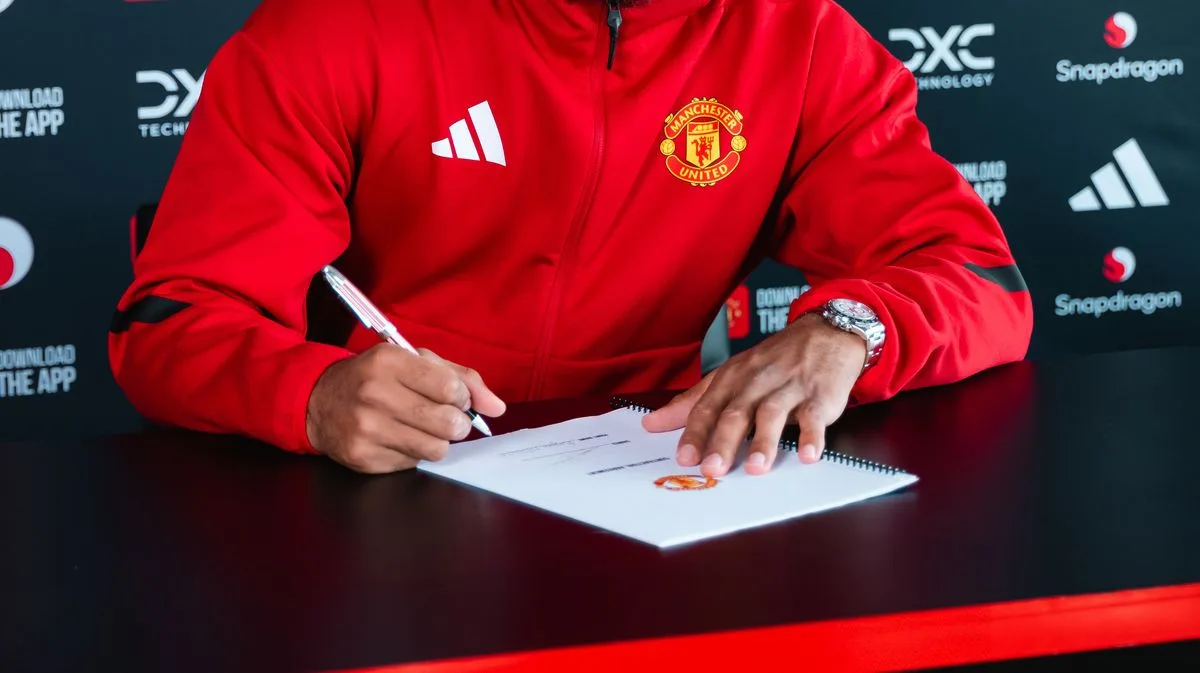
Premier League clubs are intensifying their search for deals as the January transfer window progresses, with Manchester City and Manchester United among those looking to strengthen their squads. This follows a record-breaking summer that saw the league spend an astonishing £3 billion on new signings. While major moves are typically reserved for the summer, January offers an early opportunity to rebuild.
Manchester City accounted for nearly half of the Premier League's £370 million expenditure last winter, as Pep Guardiola sought to rejuvenate his squad. The club is now nearing a deal for Bournemouth's Antoine Semenyo, who has a £65 million release clause, as they aim to close the gap on league leaders Arsenal.
Manchester United, despite sacking manager Ruben Amorim earlier this week and having no European football, could potentially spend £100 million on new signings this month. Football finance expert Kieran Maguire told the Mirror that United's spending on wages is around half their revenue, giving them significant capacity under UEFA's squad cost ratio rules. He noted that United often buys players on credit, with £466 million in outstanding transfer fees, but this is more of an issue for 2026 than January.

Arsenal invested heavily last summer, spending around £250 million, but could still spend another £100 million this month. Maguire said Arsenal have plenty of headroom under profit and sustainability rules, with losses of £70 million in the last two years against a permitted £105 million. He described Arsenal as a very smart club financially.
However, not all clubs can match Arsenal's budget. Clubs must adhere to profit and sustainability rules, which limit losses to £105 million over three years, and UEFA's squad cost ratio, which caps squad-related spending at 70 per cent of revenue. The January window presents a chance for teams to fortify both short-term and long-term prospects.