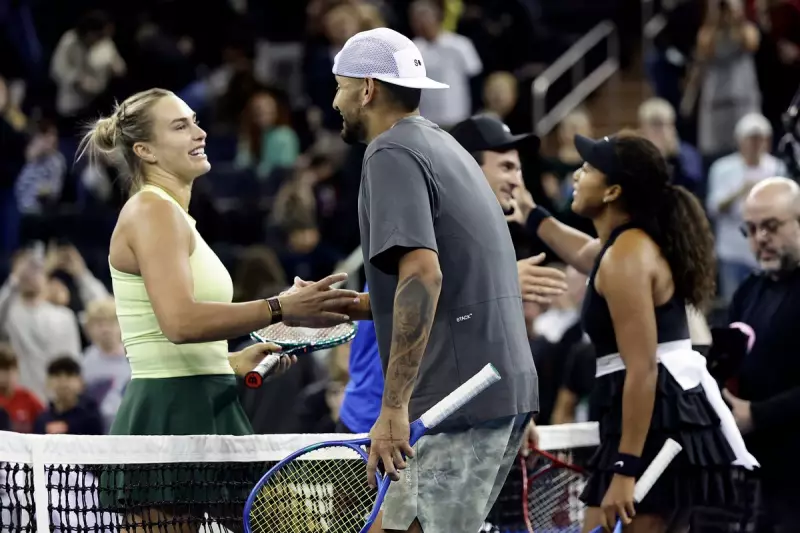
As the 2025 tennis season concludes, the sport is set to close the year with a deeply controversial exhibition. This Sunday, the so-called 'Battle of the Sexes' will pit women's world number one Aryna Sabalenka against the mercurial and often controversial Nick Kyrgios in Dubai. The event, which will be broadcast by the BBC, has been widely criticised as an unwanted sequel that undermines the legacy of the iconic 1973 match between Billie Jean King and Bobby Riggs.
A Stark Contrast to a Historic Legacy
The original Battle of the Sexes in 1973 was a landmark moment for gender equality in sports. Billie Jean King, a trailblazer for women's tennis, faced the self-proclaimed 'male chauvinist pig' Bobby Riggs. King's straight-sets victory was a powerful statement, coming in the same year she helped found the WTA. She later stated she believed a loss would have set women's rights back fifty years. The match was a deliberate fight for societal change, fair pay, and respect.
In stark contrast, the 2025 edition appears devoid of any higher purpose. Organised by the Evolve agency, which represents both players, the match is seen primarily as a lucrative, attention-grabbing stunt. The format itself includes a bizarre handicap: Sabalenka's side of the court will be nine per cent smaller, a rule based on disputed data about average movement speeds. Critics argue this only serves to gamify a gimmick and provides Kyrgios with a ready-made excuse for a potential loss.

Problematic Participants and Toxic Potential
The choice of participants has further fueled the backlash. While Sabalenka is a dominant four-time Grand Slam champion, she has previously made comments downplaying the interest of the women's tour. Her opponent, Nick Kyrgios, is ranked 673rd in the world and hasn't played a competitive match since March 2024. He is arguably more famous for on-court outbursts and off-court controversies, including a past admission of assault against an ex-girlfriend and an association with far-right influencer Andrew Tate.
This combination creates a no-win scenario. A Kyrgios victory would likely be weaponised by online misogynists to demean women's sport. A loss would likely be dismissed, just as Bobby Riggs's defeat was in 1973. The event's promoters encouraging viewers to "pick a side" is seen as a bastardisation of the original's clear moral imperative, where any supporter of equality rooted for King.
BBC's Questionable Involvement and Lasting Damage
The decision by the BBC to broadcast the event has drawn particular ire, with accusations that the corporation is diving into a cynical click-driven spectacle. Presenters Clare Balding and Andrew Cotter have been enlisted, in what many see as a futile attempt to lend the match a credibility it fundamentally lacks.
Holding the match in Dubai, a nation with a poor record on women's rights, adds another layer of uncomfortable irony. Ultimately, this Battle of the Sexes lacks the seismic stakes of its predecessor. It is likely to fade quickly from memory, but not before reinforcing regressive narratives about gender in sport. As one commentator put it, it is a giant leap backwards disguised as entertainment, and a disappointing misstep for all involved.