Historic Hundred Auction Highlights Persistent Gender Imbalance in Cricket
The much-heralded new era for English cricket, marked by the inaugural women's player auction for The Hundred, presented a paradoxical scene. While female players secured groundbreaking financial deals, the event itself was dominated by male decision-makers, exposing a significant gender gap in the sport's leadership structures.
Record Salaries Amidst Male-Dominated Environment
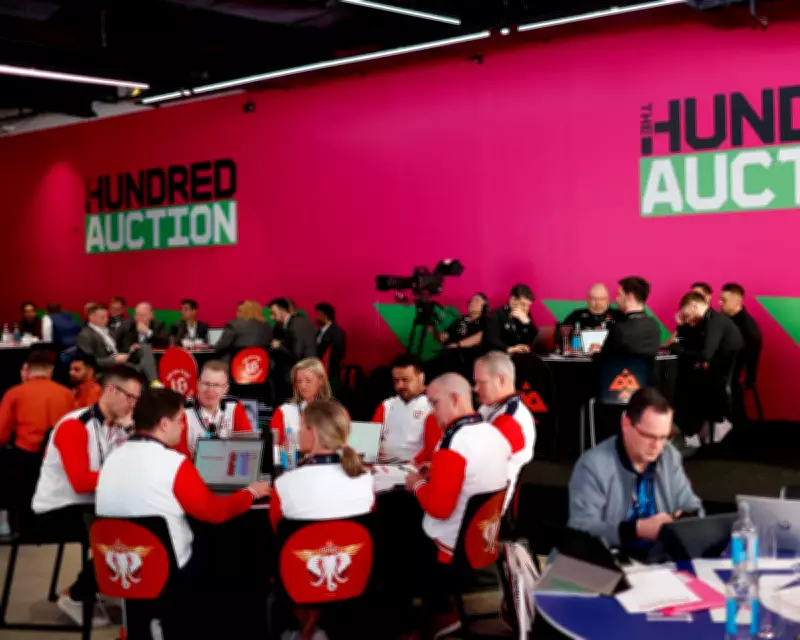
Sophie Devine and Beth Mooney were signed for £210,000, a sum exceeding the entire women's squad earnings when The Hundred launched in 2021. England's Dani Gibson became one of the nation's best-paid sportswomen with a £190,000 deal. However, the auction room told a different story. Of approximately 60 attendees, only a dozen were women, with two team tables entirely male. The atmosphere, described with vibrant imagery of Piccadilly Circus aesthetics and digital interactions, contrasted sharply with the traditional gender dynamics at play.
Young talents like 19-year-old Davina Perrin, bought by Birmingham Phoenix for £50,000, represented progress from initiatives like Ebony Rainford-Brent's ACE programme. Yet, the presence of former players like Charles Dagnall in modern attire underscored how male figures remained central to proceedings.

Coaching and Administrative Shortfalls
Lisa Keightley, the sole female senior coach in the competition with MI London, expressed disappointment at the lack of female colleagues. "I hope that changes over time," she stated, acknowledging talented female coaches overlooked for roles. She emphasized her commitment to advocating for greater inclusion while welcoming an incoming female assistant coach.
Anya Shrubsole, part of Southern Brave's coaching setup, highlighted a "chicken-and-egg" dilemma. She stressed the need for opportunities to develop coaching expertise, rejecting token appointments but advocating for pathways that allow women to prove their capabilities. Sarah Taylor of Manchester Super Giants echoed this sentiment, linking increased female participation in professional playing environments to future coaching prospects.
Comparative Context and Structural Issues
The gender imbalance appears avoidable when considering other sports. The Women's Rugby World Cup in Britain featured an entirely female executive team, refereeing crew, and groundstaff. In cricket, the influx of private investment into The Hundred teams has, according to observers, led to a loss of control over such diversity initiatives. This shift raises questions about the trade-offs between financial gains and equitable representation.
Notably, Pakistani players Sadia Iqbal and Fatima Sana went unsold, despite Iqbal's top world IT20 bowling ranking and Sana's recent performances. While pre-auction signings limited overseas slots, their absence resonated amid controversies about Pakistani players and the significance of British-Pakistani communities in English cricket.
Future Implications and Men's Auction Anticipation
As the men's auction approaches, with higher stakes and 14 Pakistani players involved, the spotlight remains on how The Hundred balances commercial interests with inclusive governance. The historic day for female players underscored progress in remuneration but revealed urgent needs for broader gender diversity in coaching, analysis, and administration to truly realize the competition's inclusive aspirations.