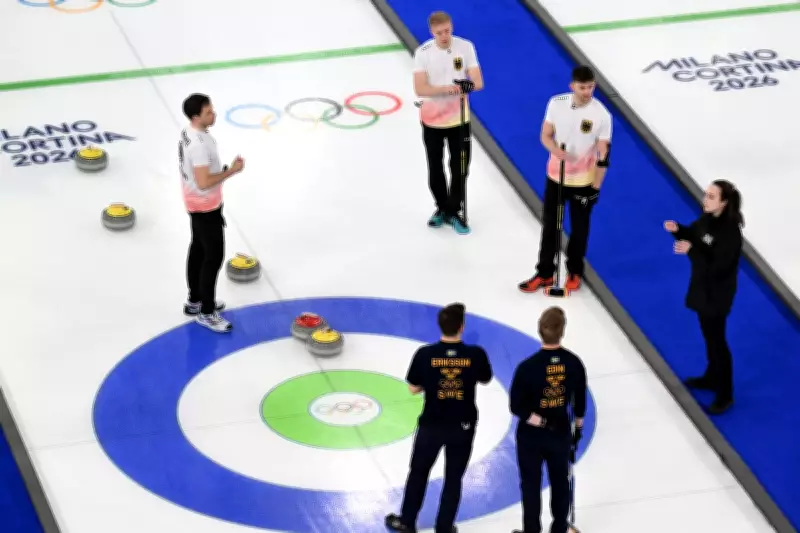
Winter Olympics Curling Scandal: Cheating Row Erupts Between Canada and Sweden
A major cheating controversy has erupted at the Winter Olympics, casting a shadow over the curling competition. The dispute centres on accusations by Sweden against Canada's men's team, alleging they repeatedly double-touched stones after release, a violation of curling rules.
Viral Footage Fuels the Controversy
Footage of Canadian curler Marc Kennedy appearing to double-touch a stone has gone viral on social media, intensifying the scandal. Despite Kennedy's furious denials of any wrongdoing, the video has sparked widespread debate among fans and officials alike.
The controversy quickly escalated as other teams came under scrutiny. Canada's women's team and Great Britain's Bobby Lammie were also flagged for similar infringements, as umpires increased their vigilance in response to the initial allegations.

World Curling's Officiating Reversal
In response to the growing scandal, World Curling initially ramped up officiating to monitor teams more closely. However, in a surprising turn, the governing body later reversed this decision. Instead, they implemented a new rule allowing teams to formally request umpire observation of their opponents for a minimum of three ends during matches.
This policy shift has added another layer of complexity to the dispute, with some critics arguing it could lead to gamesmanship and further tensions between competing nations.
Medal Hopes Hang in the Balance
The cheating row has injected significant tension into the upcoming crucial match between Great Britain and Canada. This high-stakes encounter could determine both teams' medal hopes in the round-robin stage of the competition.
With accusations of secret filming and heated denials flying between camps, the scandal threatens to overshadow the sporting achievements at the Winter Olympics. The fallout from this controversy may have lasting implications for how curling is officiated at future international events.