Ukrainian Skeleton Pilot Disqualified from Winter Olympics Over Memorial Helmet
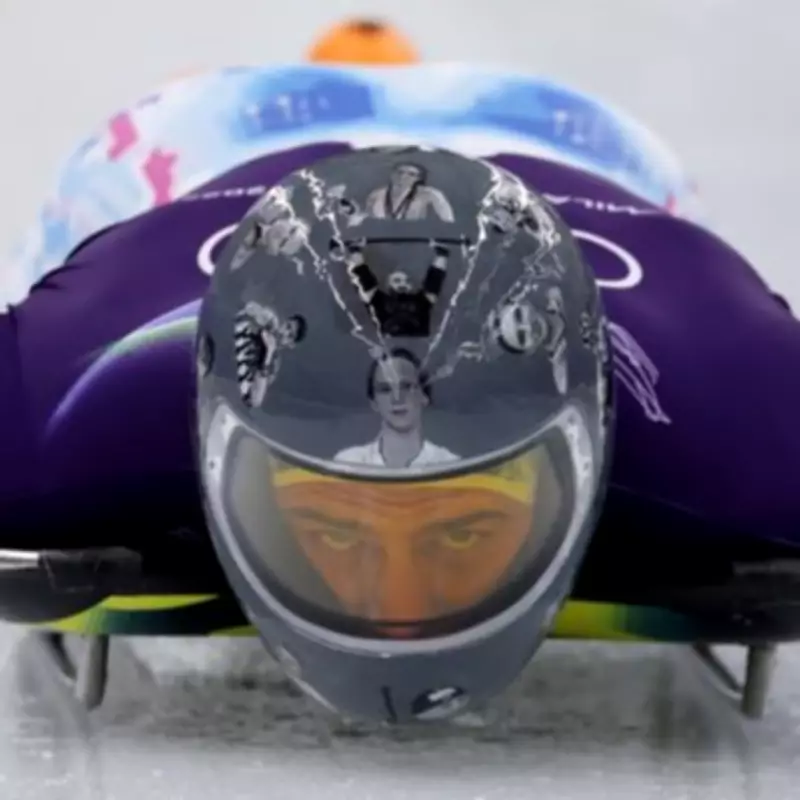
Vladyslav Heraskevych, a Ukrainian skeleton pilot, has been disqualified from the Winter Olympics after the International Olympic Committee (IOC) refused to permit him to wear a specially designed helmet honoring 24 Ukrainian athletes who have died during Russia's invasion of his home country. The 27-year-old athlete, who had planned to compete in Milano Cortina, wore the helmet during a training session on Wednesday despite being informed it was not allowed.
IOC Cites Political Statement as Reason for Ban
Despite making a plea to the IOC, the committee insisted that the helmet constitutes a political statement and disqualified Heraskevych by revoking his Olympic accreditation. In a statement, the IOC explained that the decision followed his refusal to comply with guidelines on athlete expression, emphasizing that the issue was not about the message itself but where he intended to express it.
Heraskevych had previously stated that not wearing the helmet would be a betrayal to the deceased athletes. He now plans to lodge an appeal with the Court of Arbitration for Sport. In a post on X, he expressed his emotions, saying, "It's hard to say or put into words. It's emptiness. This is price of our dignity."

Emotional Scenes and Failed Negotiations
His father and coach, Mykhailo, was present at the venue in Cortina d'Ampezzo and was in tears upon hearing the news. IOC President Kirsty Coventry, a Zimbabwean politician elected last year, traveled to Cortina to hold face-to-face talks with Heraskevych. Coventry stated, "I was not meant to be here but I thought it was really important to come here and talk to him face to face."
She added, "No one, especially me, is disagreeing with the messaging, it's a powerful message, it's a message of remembrance, of memory. The challenge was to find a solution for the field of play. Sadly, we've not been able to find that solution. I really wanted to see him race. It's been an emotional morning."
Last-Minute Appeal and IOC Response
With less than two hours before the competition began, Heraskevych urged the IOC to lift his ban and demanded an apology. He argued, "I never wanted a scandal with the IOC, and I did not create it. The IOC created it with its interpretation of the rules, which many view as discriminatory."
He also noted that while the scandal has brought attention to the killed Ukrainian athletes, it distracts from the competitions and other participants. However, the IOC rejected his suggestion, adding in their statement, "Mourning is not expressed and perceived in the same way everywhere in the world."
The incident highlights ongoing tensions between athlete expression and Olympic regulations, particularly in contexts involving geopolitical conflicts. Heraskevych's case underscores the challenges faced by athletes seeking to honor national tragedies within the framework of international sports events.