Ukraine Announces Boycott of Winter Paralympics Over Russian and Belarusian Involvement
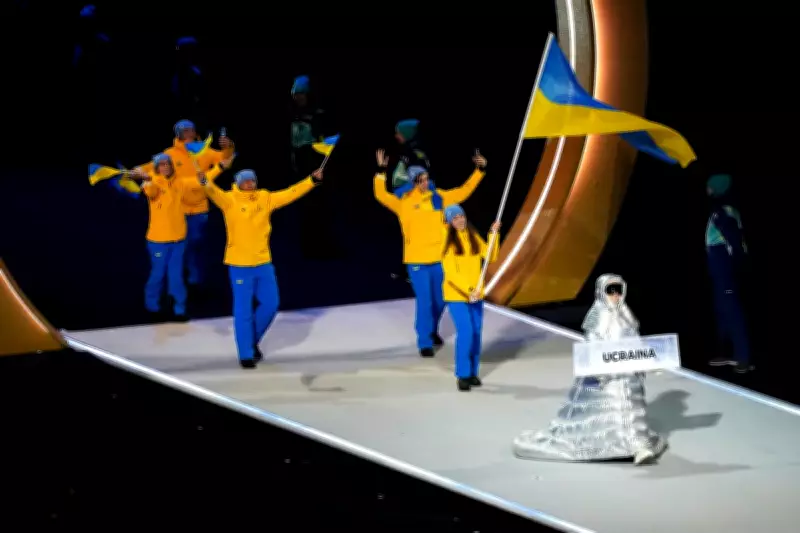
Ukrainian officials have declared a boycott of the upcoming Milano Cortina Winter Paralympics, protesting the International Paralympic Committee's decision to permit Russian and Belarusian athletes to compete under their national flags. This move marks a significant diplomatic stance against the IPC's ruling, which has sparked controversy in the international sports community.
Details of the Boycott and IPC Decision
The boycott will involve Ukrainian officials abstaining from the opening ceremony and other key events at the Games. A total of 10 para-athletes, comprising six from Russia and four from Belarus, have been cleared to participate. This development represents the first instance since 2014 that a Russian flag will be displayed at the Paralympics, following prior bans linked to a state-sponsored doping programme and the invasion of Ukraine.
The IPC's decision came after Russia successfully appealed to the Court of Arbitration for Sport, which overturned an earlier blanket ban on their participation. This legal victory has enabled the athletes to compete, but it has also intensified geopolitical tensions surrounding the event.

Background and Implications
The involvement of Russian and Belarusian athletes under their national flags has been a contentious issue, given historical sanctions and ongoing conflicts. Ukraine's boycott underscores the deep-seated grievances and the broader political ramifications of sports diplomacy. The situation highlights the challenges faced by international sporting bodies in balancing inclusivity with ethical considerations during times of geopolitical strife.
As the Winter Paralympics approach, this boycott is expected to draw global attention to the IPC's policies and the ongoing tensions between Ukraine and Russia. It may influence future decisions regarding athlete participation in international competitions amid similar disputes.