Team GB Snowsport Stars Dominate X Games Ahead of Winter Olympics
In a stunning display of talent and determination, British snowsport athletes have claimed multiple gold medals at the prestigious X Games in Aspen, Colorado, just days before the Winter Olympics in Milano-Cortina. This remarkable success signals a dramatic resurgence for Team GB's winter sports programme following challenging years.
Golden Performances in Aspen
The British charge was led by three exceptional young athletes who demonstrated world-class skill across different disciplines. Nineteen-year-old Mia Brookes soared to victory in the snowboard slopestyle, showcasing the technical prowess that has made her one of Britain's most promising winter sports talents.
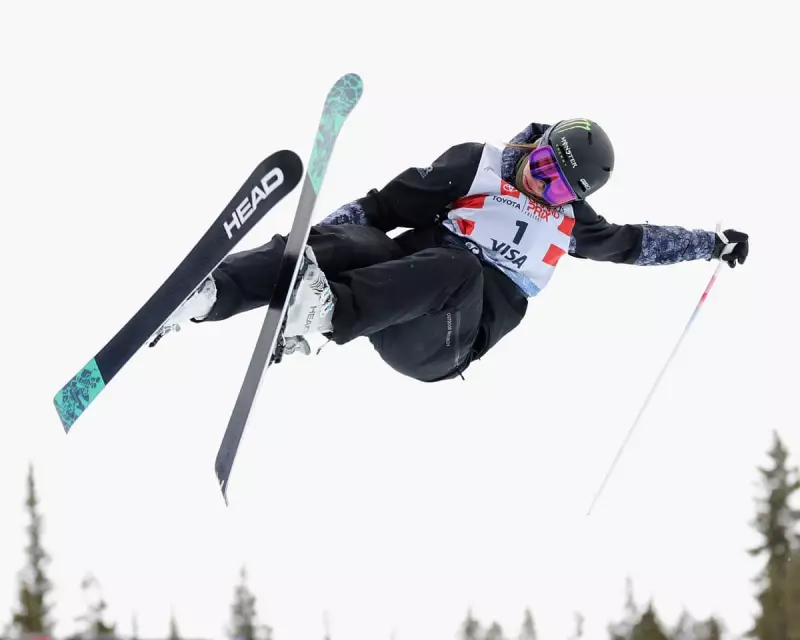
Zoe Atkin, aged twenty-three, followed with a spectacular performance in the freeski superpipe, earning her first X Games gold medal and cementing her status as a genuine medal contender for the upcoming Olympics. Before the weekend concluded, Kirsty Muir added a third British gold in the freeski slopestyle, along with a silver in the big air competition.

These achievements were complemented by Charlotte Bankes winning her first World Cup snowboard cross event since recovering from a broken collarbone, completing an exceptionally successful period for GB Snowsport.
From Setback to Comeback
The current success represents a significant turnaround for British winter sports. Following disappointing results at the Beijing Winter Olympics, where Team GB failed to secure expected medals, UK Sport reduced funding for the Milano-Cortina cycle from £9.53 million to £7.27 million.
Vicky Gosling, chief executive of GB Snowsport, described the Beijing experience as particularly challenging. "Having been in austere environments with my military background, I can tell you it felt hostile and austere when we arrived there," she recalled. "Everybody was in hazmat suits, wheeling us off the plane. You were tested for Covid every day. And it was -26c."
The combination of COVID-19 restrictions and Brexit complications meant British athletes had significantly less preparation time on snow compared to their international competitors, creating additional hurdles during an already difficult Olympic cycle.
Strategic Innovations Driving Success
GB Snowsport has implemented numerous strategic changes to rebuild their competitive edge. The organisation, which will supply twenty of Team GB's fifty-three athletes for Milano-Cortina, has focused on both technological advancements and psychological preparation.
In speed-focused disciplines, special technical skinsuits have been introduced to reduce aerodynamic drag, providing athletes with crucial competitive advantages. Meanwhile, innovative mental preparation techniques have been developed, including a free-diving programme undertaken by the freeski park and pipe team to help them manage high-stress competition situations.
The team has also adjusted their training schedules, moving more summer training to the southern hemisphere to avoid the challenges of diminishing glacier conditions in Europe. This geographical flexibility has provided athletes with more consistent training opportunities throughout the year.
Cultivating a Winning Culture
Central to the resurgence has been a cultural shift within the organisation. Gosling emphasises that the team has moved from "a mentality of being grateful for being at the start line to one where we want to win." This transformation has been supported by recruiting world-class coaches from multiple nations including France, Canada, Norway, and Australia, alongside British talent.
The operational model has been described as "hub and spoke" – decentralised with a small central team providing comprehensive support to athletes and coaches. This approach empowers coaches to make decisive decisions while ensuring athletes receive optimal strength and conditioning, equipment, and physiotherapy support.
Overcoming Financial Challenges
The funding reduction forced creative solutions and personal sacrifices. Gosling and head coach Pat Sharples found themselves sleeping in a car in Verbier when their budget hotel unexpectedly closed, demonstrating the financial constraints under which the organisation has operated.

Despite these challenges, the team has maintained focus on performance excellence. The athletes themselves represent diverse backgrounds, often defying stereotypes about winter sports participation. From Dave Ryding beginning on a fifty-metre dry slope in Lancashire to Mia Brookes' parents combining work with snowboarding trips across Europe in a camper van, these stories highlight the determination driving British winter sports.
Olympic Prospects and Confidence
UK Sport now forecasts that Team GB could win up to eight medals at the Milano-Cortina Winter Olympics, which would surpass the record five medals achieved in both Sochi and Pyeongchang. The strong performances from Atkin, Brookes, Muir, and Bankes, alongside contributions from curling and sliding sports, are expected to be crucial to achieving this ambitious target.
Zoe Atkin expresses confidence in the team's prospects: "We have a really strong team. We have so many amazing snowsport athletes, and we're finding our stride at the perfect time." While acknowledging the inherent unpredictability of high-risk winter sports, she believes the team has received exceptional support and preparation.
As the Winter Olympics approach, the remarkable X Games performances have provided compelling evidence that British snowsport has not only recovered from previous setbacks but has emerged stronger, more innovative, and more competitive than ever before.