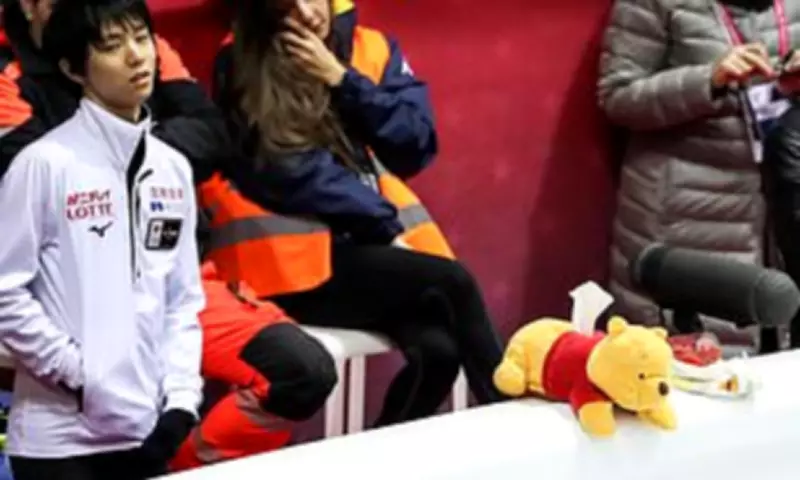
If you have been watching the figure skating events at this year's Winter Olympics, you might have observed numerous athletes clutching stuffed toys in the 'kiss and cry' zone, where they await their scores after performances. These cuddly companions are not merely sentimental keepsakes; they serve a surprisingly functional purpose that former Olympian Mariah Bell of the United States has recently disclosed.
The Hidden Utility Behind the Cute Exteriors
Bell explained that many of these stuffed animals are cleverly designed to conceal tissue boxes inside them. 'An interesting fact about stuffed animals is often they are actually tissue boxes,' she noted. 'It's a stuffed animal with a hole in the top and inside it is a tissue box. We always need tissue when we're on the ice. Lots of crying, just kidding, not really!'
Why Tissues Are Essential on the Ice
The necessity for tissues stems from the harsh conditions of figure skating. 'The venue is really cold, obviously being that it's figure skating on the ice,' Bell added. 'Also with the velocity of the spins and the rotations that we're doing, it's really common for snot to make its way out as we're skating so we're constantly blowing our nose.'

Ice rink temperatures, especially near the surface, can plummet to between 4 and 10 degrees Celsius, exacerbating nasal issues during intense physical activity. This practical adaptation allows skaters to discreetly manage their needs without disrupting their focus or appearance.
Notable Examples from the Games
Kazakhstan's gold medalist Mikhail Shaidorov exemplified this trend by proudly holding a stuffed panda in the 'kiss and cry' area after his victory in the men's single figure skating event. His joyful display highlighted how these toys have become a staple of Olympic culture, masking their utilitarian role.
The Rise of Sponsor Advertising in Unlikely Places
Beyond their practical use, these stuffed animals and their hidden tissue boxes are increasingly becoming vehicles for corporate branding. There has been a growing trend of transforming mundane items into advertising spaces for sponsors, as seen with Puffs-branded tissue boxes at the Games.
A Shift in Olympic Marketing Strategies
Historically, the Olympic Games have maintained a relatively ad-free environment on competition venues, distinguishing them from other major sports events. However, this tradition is evolving. Since the 2024 Summer Olympics in Paris, where luxury brand LVMH prominently featured its Louis Vuitton label during the opening ceremony, sponsors have gained more visibility.
International Olympic Committee marketing director Anne-Sophie Voumard commented on this shift, stating, 'We continue to open up those opportunities for partners,' and noted that sponsor products can now 'organically be present' more widely. This change is evident in Northern Italy, where corporate logos on items like Powerade-branded coolers and Puffs tissue boxes are becoming more conspicuous.
Implications for Future Olympics
The dual role of stuffed toys as both practical aids and advertising tools reflects broader trends in sports marketing and athlete preparedness. As sponsors seek innovative ways to embed their brands into the Olympic experience, athletes continue to adapt with clever solutions to the challenges of their sport.
This blend of tradition, necessity, and commercialism underscores the dynamic nature of the Games, where even the smallest details can reveal significant insights into the lives of competitors and the evolving landscape of global sports.