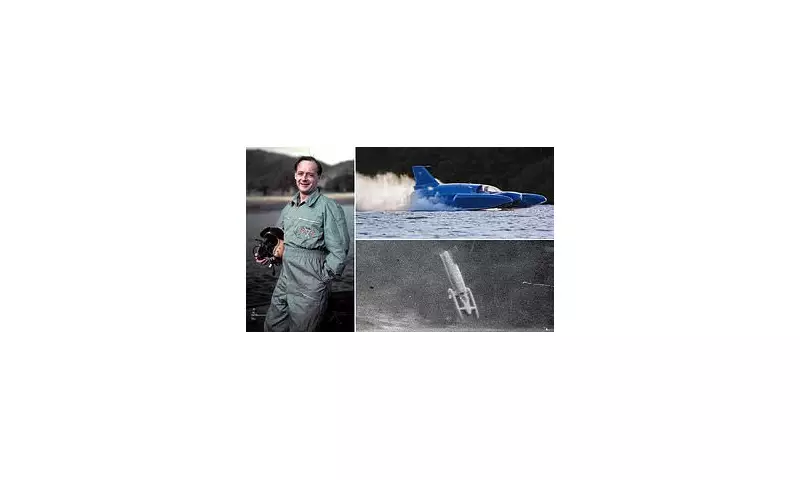
An iconic British hydroplane, lost for decades after a fatal speed record attempt, is being prepared for one final, poignant journey on the lake where its pilot perished. The jet-propelled Bluebird K7, which set multiple world records in the 1950s and 1960s, will return to Coniston Water in the Lake District this May, nearly 60 years after the crash that killed daredevil Donald Campbell.
The Legacy of Speed and Tragedy
Under the command of pilot Donald Campbell, Bluebird K7 became a symbol of British engineering and derring-do, setting seven world water speed records. Its sleek, aerodynamic design pushed the limits, achieving a staggering 276 miles per hour. Campbell's ambition, however, led to tragedy on 4 January 1967. Disregarding warnings from his engineer, Leo Villa, about the craft's age and condition, Campbell attempted to push Bluebird beyond 300 mph on Coniston Water to secure publicity for a new project.
During his second run, having already hit 297 mph, the hydroplane is believed to have reached an estimated 320 mph before it became airborne, performed a backflip, and crashed violently back into the water. The impact killed the 45-year-old Campbell instantly. Bluebird sank to the bottom, approximately 142 feet below the surface, where it remained with Campbell's body for 34 years.

Recovery, Restoration, and Legal Dispute
The wreckage was eventually recovered in 2001 by a team led by engineer Bill Smith. Campbell's body was also brought up and laid to rest. Following restoration, Campbell's daughter, Gina, wished for the boat to be displayed at Coniston's Ruskin Museum, and the family entrusted it to the institution.
The project was later marred by a bitter legal dispute when Smith sought part-ownership and the right to tour the restored craft globally. He also attempted to trademark the Bluebird name, but a 2024 Intellectual Property Office ruling found he had acted in 'bad faith' following an appeal by Campbell's nephew, Donald Wales. Smith subsequently surrendered the boat, which is now on permanent display at the Ruskin Museum.
Preparations for a Poignant Finale
Now, behind the scenes, a dedicated effort is underway to allow Bluebird one last run. A refurbished Bristol-Siddeley Orpheus 101 jet engine, similar to the 1967 model, was fitted last year. Engineers from Babcock International are providing technical support to ensure the craft is ready. The Lake District National Park Authority has granted a special exemption from the lake's 10mph speed limit for the event.
The run, scheduled for May, will be piloted by Dave Warby, son of current water speed world record holder Ken Warby. It will not be a record attempt; speeds are expected to be around 150 mph, similar to its 2018 refloating on Loch Fad in Scotland. The event holds added significance as it falls shortly before the 70th anniversary of Campbell's first water speed record on Coniston in September 1956.
Gina Campbell said of the plans, "My father would be delighted and pleased that the exemption has been approved." Tracy Hodgson, director of the Ruskin Museum, called it a fitting tribute to a legend: "He was a pioneer, breaking records that people had never attempted before."
The exact cause of the 1967 crash remains debated. Theories range from an engine 'flame out' to aerodynamic instability, potentially caused by damage from striking a duck the day before. Regardless, Bluebird's final run will be a powerful, closing chapter for a craft that embodies the relentless pursuit of speed, and the high cost that sometimes accompanies it.