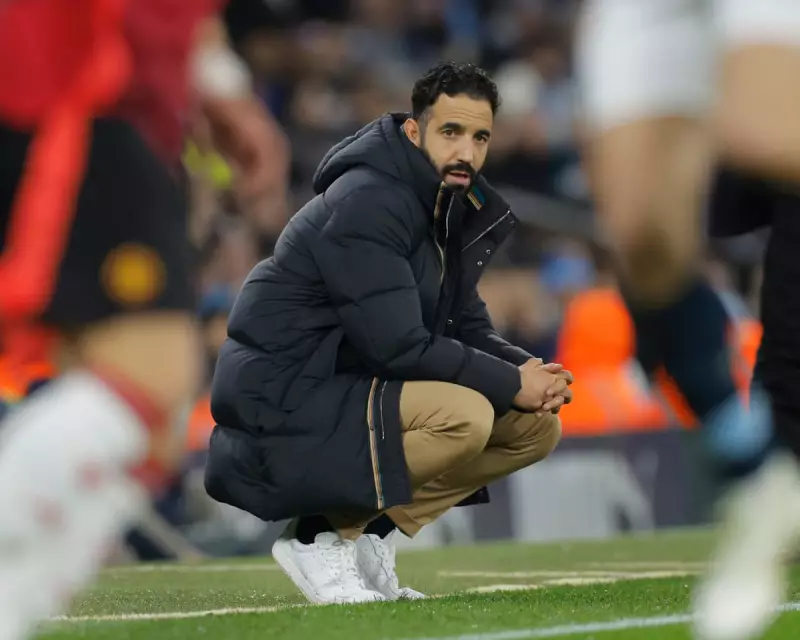
Manchester United's attempt to appoint Ruben Amorim as their new manager has spectacularly collapsed, exposing deep-seated flaws in the club's decision-making process. The pursuit, which began in earnest after the FA Cup final, was doomed from the outset due to internal disagreements and a lack of coherent strategy.
A Process Marred by Division and Indecision
The club's leadership, including co-owner Sir Jim Ratcliffe and his INEOS team, were never fully aligned on the Sporting Lisbon coach. While some figures within the new football hierarchy were advocates for Amorim's progressive, high-press style, others harboured significant reservations. This internal conflict created a paralysing indecision that undermined the entire operation.
The critical failure was the absence of a unified vision. Unlike a well-oiled recruitment drive, United's approach was reactive and scattered. Initial contact was made, but follow-through was hampered by ongoing debates about the manager's profile and suitability for the Premier League. Key decision-makers could not agree on whether Amorim was the definitive answer to the club's long-term problems.
The Thomas Tuchel Factor and a Shifting Landscape
Complicating matters further was the sudden and unexpected availability of former Chelsea and Bayern Munich boss Thomas Tuchel. His emergence as a candidate caused the United hierarchy to pause and reconsider their options, effectively halting any momentum they had with Amorim.
This hesitation proved fatal. Amorim, aware of the mixed signals and lukewarm commitment from Old Trafford, grew frustrated. Meanwhile, other European clubs with more decisive leadership began to circle. The delay allowed the situation to unravel, with Amorim ultimately deciding his future lay elsewhere, leaving United empty-handed and back at square one.
Broader Implications for United's New Era
This failed pursuit is more than just a missed signing; it is a stark indictment of the new INEOS-led football operation. It raises serious questions about their ability to execute a clear and effective strategy. The episode suggests that the much-vaunted 'new approach' may be struggling to escape the shadow of the club's recent chaotic past.
The consequences are immediate and damaging. The club has lost valuable time in a critical summer rebuild, and their public credibility in the transfer market has taken a hit. Potential transfer targets, like players, are watching and may be deterred by the apparent disarray. The search for a permanent manager now continues under a cloud, with the club's planning appearing reactive rather than proactive.
Ultimately, the Amorim saga reveals that changing the personnel at the top is not enough. Manchester United must fundamentally overhaul how they make major footballing decisions. Until they can present a united front and act with conviction, they risk repeating the same mistakes that have plagued them for a decade.