While the 2026 World Cup on home soil is viewed as the defining moment for this generation of the United States Men's National Team (USMNT), manager Mauricio Pochettino is already casting his gaze further ahead. The Argentine coach has revealed he is building a squad not just for the upcoming tournament, but with an eye on creating a lasting legacy that could peak at the 2030 World Cup.
Building a Core for the Long Haul
Following a 2-1 victory over Australia in Colorado to conclude the October international window, Pochettino emphasised his responsibility to forge a core group of players who can sustain success. "It's not only to think in 2026, it's to think after," he stated, highlighting his aim to instil a consistent culture and set of values within the squad. The goal is to have an experienced, unified group ready to challenge in 2030 under potentially more favourable circumstances.
This vision is shared by US soccer legend Landon Donovan, who sees no reason why the current stalwarts cannot compete at the highest level four years from now. "There's no reason why the core group of guys, led by Christian [Pulisic], at 30, 31 – absolutely you can still play and compete in a World Cup," Donovan told the Guardian.
The Ageing of a Golden Generation
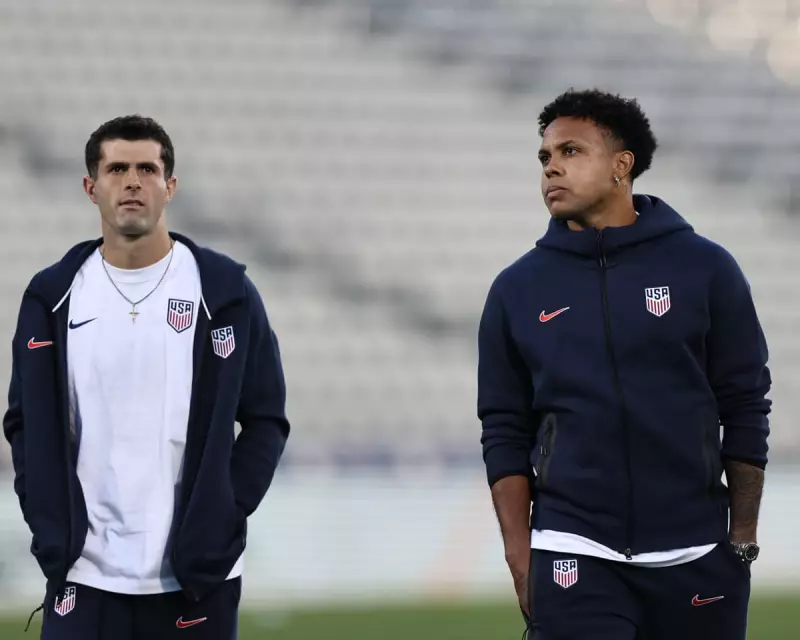
When the 2030 World Cup kicks off, key figures like Christian Pulisic and Weston McKennie will be 31 years old. Tyler Adams will also be 31, while Chris Richards and Tim Weah will be 30. Creative force Giovanni Reyna will be in his prime at 27. This experienced bloc could be blended with younger talents emerging in this cycle, such as Folarin Balogun and Tanner Tessmann, who will both be 29.
Former USMNT manager Gregg Berhalter pointed to the success of older teams on the world stage, specifically referencing Croatia's runs to the 2018 final and 2022 semi-final. "I think they'll be ready [in 2030]," Berhalter said. "When you think about Croatia performing well at World Cups, they usually have older teams. I think it can be done."
Current defender Antonee Robinson reflected on the lessons from Qatar 2022, acknowledging the team's youthful exuberance sometimes lacked the game management that comes with experience. He believes the added maturity gained over the next four years will be crucial for taking control of high-pressure matches.
The Next Wave and the MLS Temptation
Complementing this veteran core will be the next generation of American talent. Pochettino has noted a shortage of wingers, but prodigies like Cavan Sullivan – who starred at the 2025 U-17 World Cup and is bound for Manchester City – and Borussia Dortmund's Mathis Albert could provide fresh attacking impetus. In defence, 19-year-old FC Augsburg regular Noahkai Banks is already on the manager's radar and could feature as soon as the 2026 tournament.
However, Berhalter cautioned that continued progression is not automatic. "The two things that need to be happening at the same time are team development and individual development," he explained. The players must maintain their hunger and continue to challenge themselves at the highest levels in Europe.
This point was underscored by former striker Charlie Davies, who framed the journey to 2030 as a test of personal ambition. He highlighted the relentless grind of European football and the potential lure of a lucrative, less stressful return to Major League Soccer (MLS) as players age and family considerations come to the fore. Weston McKennie, whose Juventus contract expires soon and has been subject to transfer speculation, could be a bellwether for this trend.
"[What is] in the back of everyone's mind is [that] MLS is growing... So do I go back and get that big payday and maybe not have the stress," Davies pondered. Yet, he concluded that the dream of a third World Cup should be a powerful motivator, suggesting that if the core players desire it strongly enough, they could have a major impact in 2030.