Tuchel's Experimental England Stumble in Wembley Stalemate
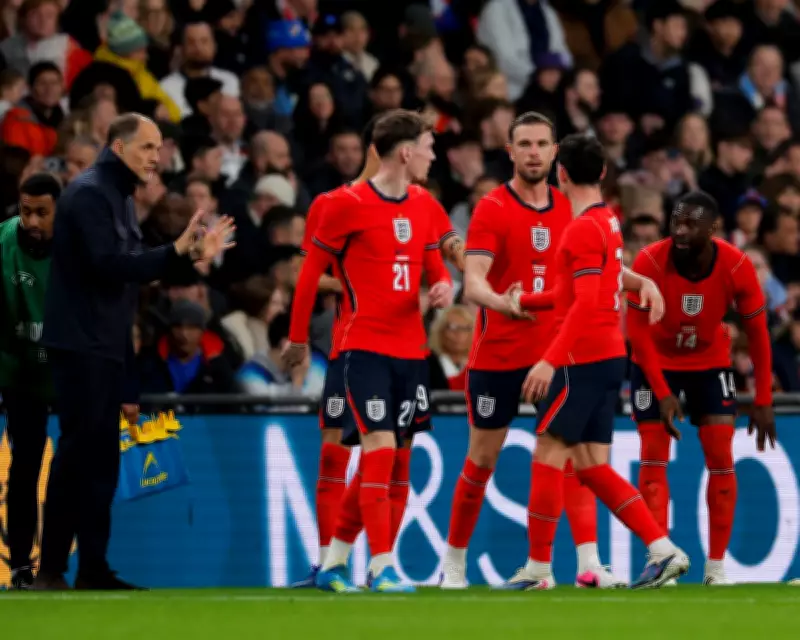
England's final pre-World Cup friendly at Wembley Stadium descended into a spectacle of profound inertia, as Thomas Tuchel's experimental lineup laboured to a 1-1 draw against Uruguay. The match, which many are already labelling one of the worst ever played, exposed the fundamental flaws in the head coach's decision to field a team of virtual strangers and squad players.
A Selection Policy of Self-Sabotage
Tuchel had promised to base his starting eleven on training ground performances, but the resulting selection resembled an act of deliberate self-sabotage. For eighty minutes, England produced what can only be described as non-football—a directionless, patternless exercise in midfield anonymity. The atmosphere mirrored the action, with Wembley's cavernous silence speaking volumes about the disconnect between team and supporters.
Only Harry Maguire and Marcus Rashford from the starting lineup possess realistic claims to being first-choice World Cup starters. The remainder appeared to be competing not with Uruguay, but with each other for squad places, creating a toxic dynamic of individual preservation over collective purpose. The midfield pairing of Jordan Henderson and James Garner exemplified this dysfunction, with neither player able to influence the game.

A Forgettable Affair with Fleeting Drama
The deadlock was finally broken in the most underwhelming fashion imaginable. England's opening goal arrived via a one-inch tap-in from a player whose name was subsequently booed more loudly by the home fans than his effort had been celebrated. This fleeting moment of controversy was soon eclipsed when Ben White conceded a soft penalty, allowing Uruguay's Federico Valverde to equalise from the spot.
The equaliser felt deserved, if only because neither side deserved victory. The match will be remembered not for its technical quality or dramatic narrative, but for its overwhelming sense of nullity. This was the dream international fixture for the Premier League—a low-intensity, low-stakes exhibition—but a nightmare for those hoping to see a cohesive England unit building momentum ahead of the global tournament.
Systemic Issues Laid Bare
Tuchel's decision to call up thirty-five players for this fixture was widely praised as a masterstroke of man-management. The reality proved starkly different. While nations like Spain and France fielded strong, settled sides in their preparatory matches, England presented a fragmented collection of individuals with no shared understanding or rhythm.
Phil Foden, operating in the number ten role, drifted through the game like a footballer trying to impose himself on a non-football match. The team's play was characterised by sporadic, individual dribbles and a palpable lack of coherent structure. This was not a team preparing for war; it was a group of trialists avoiding catastrophic error.
Glimmers of Hope Amid the Gloom
The second-half introductions of Adam Wharton and Cole Palmer provided rare moments of positivity. Wharton demonstrated his unique ability to pass the ball forward with purpose, while Palmer offered a clear technical upgrade. Their performances strengthened their cases for World Cup inclusion, suggesting that talent exists within the expanded squad, if only it can be properly harnessed.
Ultimately, this dismal draw served as a sobering reminder of the immense challenge facing Tuchel. The clash between club and country interests, the physical fatigue of a relentless domestic season, and the inherent difficulty of forging a national team identity from disparate parts were all laid bare. England are not as formidable as public expectation demands, and their head coach is navigating uncharted waters with a selection policy that, on this evidence, requires urgent revision.