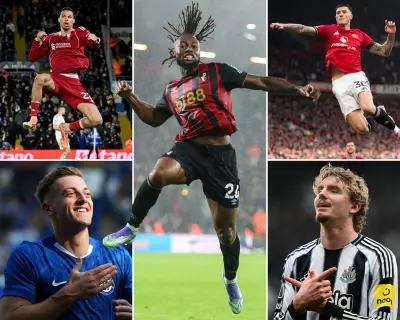
A profound and often hidden power struggle is reshaping the foundations of England's biggest football clubs. The recent turmoil at Manchester United and Chelsea has thrown a harsh spotlight on a defining Premier League challenge: determining who truly holds the reins at a modern football institution.
The Rise of the 'Faceless' Executive
This tension centres on the evolving relationship between the very public head coach and the increasingly powerful, yet less visible, sporting director. The latter has become such an anonymous figure that one high-profile Premier League executive regularly works from a Costa Coffee in a town near a major city, composing emails on multi-million pound deals unnoticed by the fans of his own club.
This illustrates the new reality: a world of "faceless sporting directors" who wield immense influence away from the public glare. The phrase, used with increasing frequency and sometimes spite, captures a long-standing dynamic now under intense scrutiny. While the head coach must be the club's public face, absorbing praise and blame, the sporting director operates in the shadows, shaping strategy and player recruitment with often ambiguous accountability.
Structural Clashes at Chelsea and Manchester United
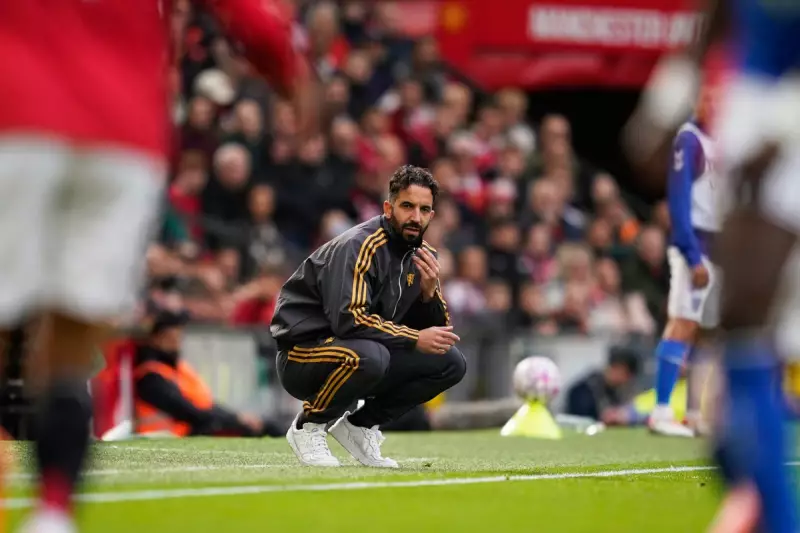
The core of this issue came to a head in a frenzied Premier League week. A major reason both Chelsea and United made managerial changes was because their top targets, Enzo Maresca and Ruben Amorim, attempted to shift the existing power structures. They sought more control than the clubs' current executive frameworks were designed to grant.
In this modern model, designed to limit disruption when a coach departs, the sporting director is the constant. Many figures within top clubs believe head coaches must simply accept this new reality and "get with the programme." It is, fundamentally, a way for clubs to protect their long-term projects from the volatility of the dugout.
A Self-Defeating 'Cult' of Control?
However, a growing question is whether this approach is becoming self-defeating. One prominent football figure, with experience in numerous senior roles, describes the current landscape as "the cult of the sporting director," a phenomenon they say "has crept up from nowhere."
The critical debate fuelling discussions this week revolves around a perceived lack of accountability. When a team fails, the head coach is almost always the first to be held responsible and dismissed. Yet, as critics ask, "When has a sporting director been held accountable?" The difficulty in clearly defining the role's parameters only adds to the friction.
This power dynamic is no longer a backroom footnote; it is actively defining what major clubs look like and how they operate. The struggle between the boardroom's architect and the training ground's leader is set to be one of the defining narratives of the Premier League era, determining not just appointments, but the very identity of its most famous teams.