Liam Rosenior's Guardian Columns Reveal Chelsea's Next Manager's Vision
Rosenior's Guardian Columns Hint at Chelsea Managerial Style

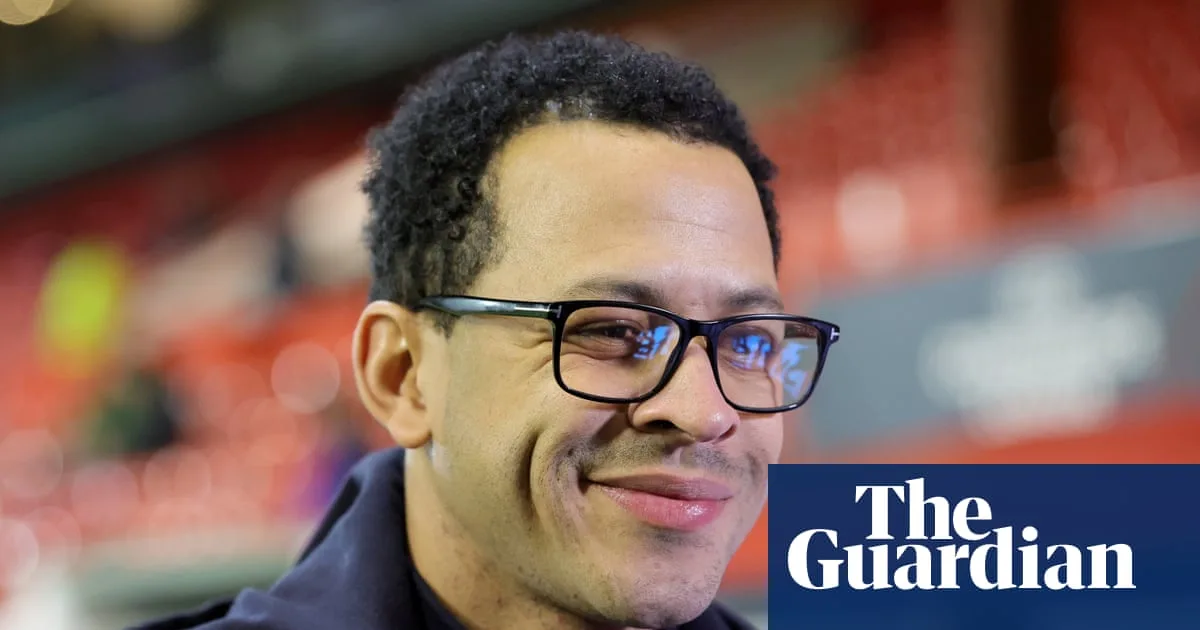
Liam Rosenior, the man strongly tipped to become the next head coach of Chelsea, once offered fans a unique insight into his footballing mind not from the touchline, but from the pages of a newspaper. During his playing days at Brighton & Hove Albion, Rosenior penned a series of columns for The Guardian, revealing a thoughtful and principled character far removed from football's stereotypical figures.

From the Pitch to the Press Box: A Manager's Mindset Revealed

Between 2017 and 2020, Rosenior's writing covered a remarkable breadth of subjects. His pieces went beyond simple match analysis, delving into social issues, tactical evolution, and the very culture of the sport. While his views may have evolved, these columns provide a compelling early blueprint for the philosophy he could bring to one of the world's most high-pressure jobs at Stamford Bridge.

In one poignant entry from October 2017, Rosenior detailed witnessing the abuse aimed at West Ham's then-manager Slaven Bilic. He described Bilic's dignified response of congratulating the Brighton players post-match, which led Rosenior to question his own managerial ambitions for the first time. "For the first time in my life, I questioned my own ambition to be a manager," he wrote, demonstrating an acute awareness of the intense scrutiny and vitriol that comes with the role—a reality he is now poised to face at Chelsea.

Principles on Diversity, Tactics, and Leadership

Rosenior's columns consistently highlighted his progressive stance on key issues within football. In November 2017, he criticised the lack of openly gay male footballers, recalling a manager's homophobic remark and stating it would make him feel like an unequal in the sport. This suggests Chelsea's dressing room can expect a zero-tolerance policy towards discriminatory banter under his potential leadership.

His commitment to equality extended to coaching. The following month, he warned of losing a generation of Black, Asian, and Minority Ethnic (BAME) coaches, arguing for opportunities based on merit and emphasising the unique empathy coaches from diverse backgrounds can offer. It is highly likely Rosenior would use the Chelsea platform to champion greater representation in football management.

Tactically, the columns show a forward-thinking analyst. He praised Michael Carrick as a master of receiving possession on the half-turn, hinting at a preference for intelligent, technically gifted midfielders. Ahead of the 2018 World Cup, he astutely predicted the increased importance of set-pieces due to the introduction of VAR, proving he was ahead of the tactical curve. He also advocated for the benefits of mid-season warm-weather training breaks to boost team spirit and physical recovery—a policy Chelsea's travel department may soon be organising.

A Voice That Extended Beyond Football

Perhaps most revealing was Rosenior's willingness to engage with politics. In June 2020, amid global Black Lives Matter protests, he wrote an open letter to then-US President Donald Trump. He called Trump a "catalyst for our future generations to impact lasting change," showing a belief that football figures should not remain silent on societal issues. This indicates he is not a manager who will stick solely to football matters, potentially bringing a broader, socially conscious voice to the Chelsea hotseat.

While these writings are snapshots from his past, they paint a picture of a modern, articulate, and principled coach. As Liam Rosenior stands on the brink of the biggest job of his career, his old columns suggest Chelsea would be getting far more than just a tactician; they would be appointing a leader with a clearly defined moral compass and a vision for the game that extends well beyond the final whistle.