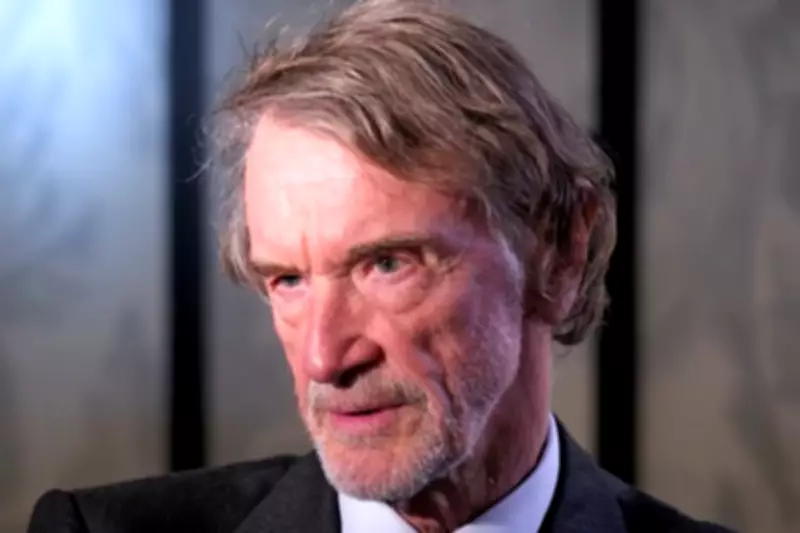
Ratcliffe's Political Remarks Clash with Manchester United's Global Identity
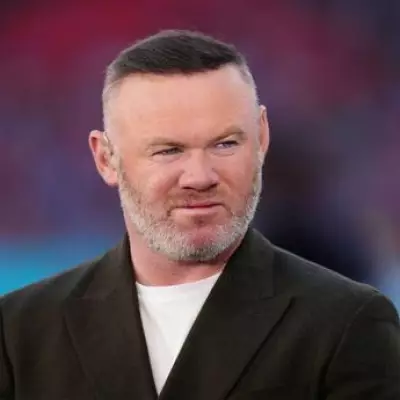
Manchester United's recent on-field resurgence under Michael Carrick had brought a welcome respite from off-pitch drama, but co-owner Sir Jim Ratcliffe's explosive interview with Sky News has shattered that calm. The billionaire businessman, who also chairs Ineos and owns French club Nice, claimed the United Kingdom had been "colonised by immigrants" in comments that drew immediate condemnation from political leaders and football supporters alike.
Political Backlash and Club Contradictions
Prime Minister Sir Keir Starmer described Ratcliffe's remarks as "offensive and wrong," while Greater Manchester Mayor Andy Burnham called them "inaccurate, insulting and inflammatory." Burnham emphasized that such views contradict Manchester's traditional values of inclusion and diversity. The controversy highlights the awkward position Ratcliffe occupies as both a Monaco-based tax exile and partial owner of one of football's most internationally recognized institutions.
Ratcliffe's comments echoed rhetoric associated with figures like Nigel Farage, who quickly endorsed the billionaire's perspective. However, critics noted that Ratcliffe's immigration statistics appeared based on incorrect figures, raising questions about the factual foundation of his claims.

Manchester United's International Foundations
The irony of Ratcliffe's position becomes particularly stark when examining Manchester United's current squad and historical legacy. Under Carrick's management, United's recent goalscorers have hailed from Cameroon, Denmark, Brazil, Slovenia, and Portugal rather than local Manchester areas. Only three English players featured in Tuesday's draw with West Ham, with two having heritage from Ireland and Ghana respectively.
United's modern identity has been fundamentally shaped by international talent, from Cristiano Ronaldo and Eric Cantona to Peter Schmeichel and Edwin van der Sar. Even legendary figures like Roy Keane and Denis Irwin represent the Irish contribution that Ratcliffe might not consider immigration but nevertheless represents foreign talent enriching the club.
Fan Backlash and Leadership Concerns
The Manchester United Supporters Trust issued a strong statement emphasizing that "no fan should feel excluded from following or supporting the club because of their race, religion, nationality or background." The influential fan group The 1958 went further, calling Ratcliffe "a total embarrassment" and previously labeling him an "incompetent clown."
These reactions underscore the tension between Ratcliffe's personal political views and Manchester United's position as a global institution with a diverse, multinational following. The club's leadership faces increasing pressure to ensure their public statements promote inclusion rather than division.
Questionable Football Decisions and Management Style
Beyond the political controversy, Ratcliffe's tenure as co-owner has been marked by questionable football decisions. The club recorded its lowest league finish in half a century under his partial ownership, with millions wasted on poor signings like Manuel Ugarte and Joshua Zirkzee. The hiring and subsequent firing of sporting director Dan Ashworth represented another costly misstep.
Ratcliffe's decision to sack 450 staff members, many of whom were reportedly competent in their roles, has drawn criticism for its human impact. Despite these setbacks, Ratcliffe has publicly congratulated himself on making "tough choices" while pursuing ambitious projects like a new Old Trafford stadium.
Broader Implications for Football and Society
The controversy touches on wider themes about wealth, wisdom, and social responsibility. Ratcliffe's comments reflect a troubling tendency among some ultra-wealthy individuals to believe their financial success grants them superior insight into complex social issues. Each time Ratcliffe speaks publicly, he tends to make statements that alienate portions of the club's global community.

As Manchester United continues its rebuilding process on the pitch, the club must navigate the awkward reality that its co-owner's political views directly contradict the diverse, international foundations upon which its modern success has been built. The coming weeks will reveal how players, staff, and supporters respond to this tension between ownership rhetoric and club identity.