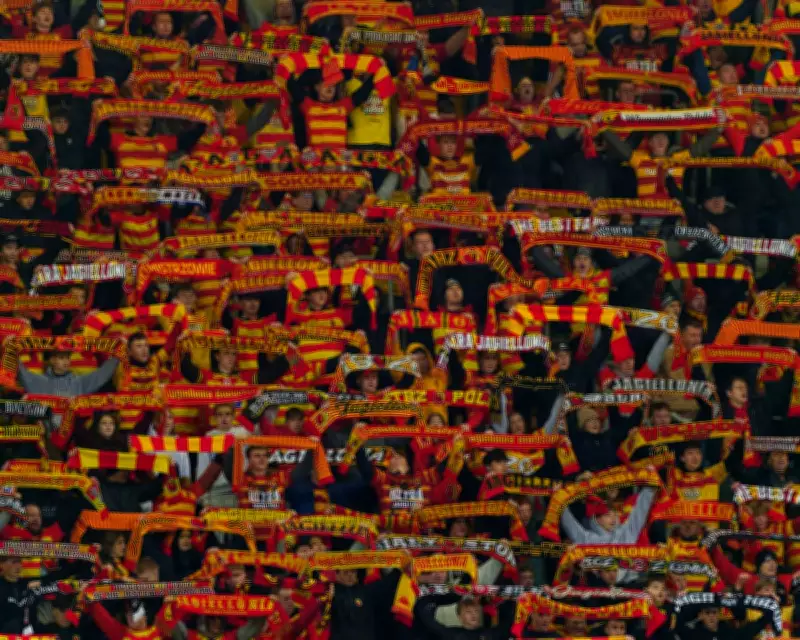
The temperature may plummet to minus twelve degrees Celsius when Wisla Plock face Rakow Czestochowa this weekend, but Polish football is experiencing a remarkable warming trend that shows no signs of cooling. After a winter break of nearly two months, the Ekstraklasa resumes with its most compelling narrative in decades unfolding across the country's modernised stadiums.
A League Transformed by Passion and Investment
Four points separate first from eighth in Poland's top flight, creating what many are calling Europe's most competitive and unpredictable championship. Even the bottom club, Bruk-Bet Termalica Nieciecza, remain just eleven points from the summit in a season where traditional giants like Legia Warsaw find themselves in seventeenth position yet still harbour realistic ambitions of climbing the table.
"All the ingredients are there," says Olivier Jarosz of consultancy LTT Sports, which has worked closely with the Ekstraklasa on strategic development. "We now have infrastructure, passion, history, players, money and investment. When you combine these elements, you have the perfect recipe for footballing success."

European Ambitions Becoming Reality
Poland's rise in European football has been nothing short of spectacular. From twenty-first position in UEFA's coefficient rankings just two years ago, the country now sits twelfth and continues its upward trajectory. The introduction of the Conference League has provided crucial opportunities, with three Polish clubs – Jagiellonia Bialystok, Rakow Czestochowa and Lech Poznan – reaching this season's knockout phase.
Dariusz Mioduski, Legia Warsaw's owner and European Football Clubs vice-chair, believes this represents just the beginning. "The ambition isn't purely to be competitive at Conference League level," he states. "Our goal is to establish regular representation in the Europa League and eventually the Champions League. The league has genuine potential to crack Europe's top ten within the next couple of years and maintain that position."
Infrastructure and Atmosphere Driving Growth
The transformation of Polish football infrastructure, catalysed by co-hosting Euro 2012, has created stadiums that set standards across much of the continent. What were once grim, sometimes hooligan-infested venues have become modern crucibles of passionate support. Average attendances have soared to 13,674 this season – an increase of 1,000 from last year and more than 4,500 higher than a decade ago.
"Weather conditions and infrastructure quality were among our previous challenges, but now the whole package is making people come," Jarosz explains. "Football remains affordable, and as people become more prosperous, they're seeking additional sources of entertainment. The connection between clubs and their communities has never been stronger."
Private Investment Changing the Landscape
A significant shift has occurred in club ownership structures, with more than half of Ekstraklasa teams now privately owned – predominantly by Polish businesspeople taking a professional approach. "These individuals don't treat clubs as toys," Mioduski observes. "They view them as serious portfolio investments and approach them with proper business discipline."
This financial capability has enabled Polish clubs to attract higher-calibre players. Sam Greenwood, the former Arsenal and Leeds United prospect who joined Pogon Szczecin for €2 million last August, represents a high-profile example. Meanwhile, Widzew Lodz set a league record by signing Ghanaian winger Osman Bukari from Austin FC for a reported €5.5 million in January.
The Physical Challenge of Polish Football
Mioduski describes the Ekstraklasa as "a very intensive, physical league" that has produced four different champions in the past five seasons. "If you're just a good football player without the right intensity, physicality and mentality, you won't succeed here," he says. "Young players who thrive in Poland can excel almost anywhere. The technical level continues to improve, and more foreign players now view our league as a development opportunity rather than merely a lucrative final destination."

Television Rights and Future Growth
With the domestic product flourishing, attention turns to maximising television revenue. The current deal with Canal+ generates approximately £67 million annually – about half the value of the Dutch Eredivisie's broadcasting agreement. "Because the league has become significantly better and more attractive, we expect rights values to grow considerably," Mioduski predicts. "The challenge is that we're starting from a relatively small base, but I anticipate substantial growth over the next decade."
Jarosz goes further, suggesting the Ekstraklasa could follow rugby's example when expanding the Five Nations to create a "big six" of European football leagues. "We have technology, growth and interest – now it's about continual development," he says.
A Bright Future Despite Winter Challenges
As Polish clubs prepare to battle both opponents and extreme weather conditions, the broader outlook has never been warmer. With competitive balance, improving quality, growing attendances and serious European ambitions, Poland's sleeping giant of football appears to have well and truly awakened. The thrilling title race unfolding between now and May will only strengthen the league's growing reputation as Europe's most interesting footballing proposition.