The Day English Football Changed: A Decade Since Pep Guardiola's Arrival
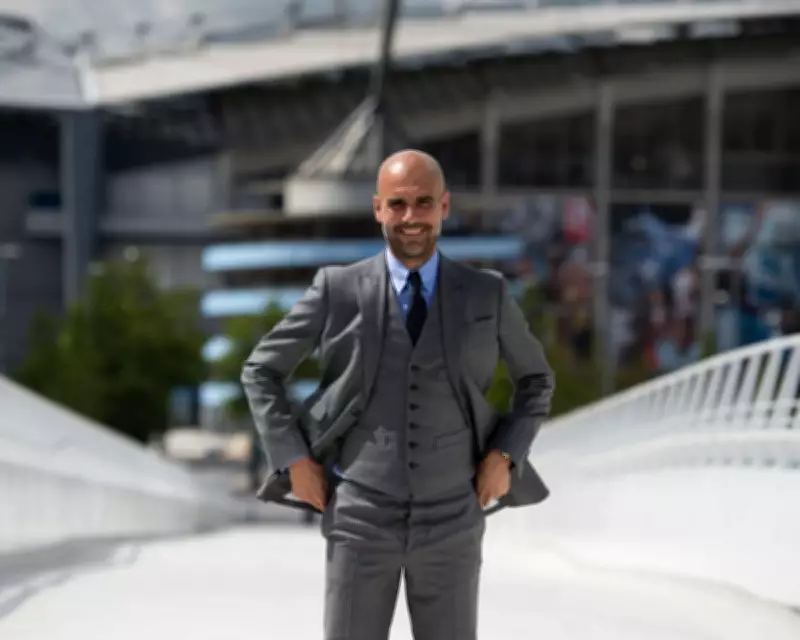
When Manchester City issued a simple press release on 1 February 2016, announcing Pep Guardiola as their future manager, few could have predicted the seismic shift it would trigger in English football. A decade on, that announcement marks the beginning of a transformation that has seen Guardiola's philosophy permeate every level of the game, from the Premier League to grassroots football.
Early Struggles and Skepticism
Guardiola's first season in the Premier League did little to foreshadow the dominance his teams would later achieve. With a background of immense success at Barcelona and Bayern Munich, where he lost only 10.3% of his games, his initial campaign in England saw a stark contrast. Manchester City suffered heavy defeats, including a 4-2 loss to Leicester and a 4-0 thrashing by Everton, while also facing Champions League humiliations. This led to a 17.9% loss rate in his first season, fueling doubts among pundits who questioned whether his style could adapt to English football's traditional physicality.
Jordi Cruyff, son of the legendary Johan Cruyff, boldly stated in 2016 that it was English football that needed to adapt to Guardiola's methods, not the other way around. At the time, this confidence seemed like hubris, but history has proven him correct. Reflecting on this, Jordi recently noted, "If you look at the Premier League nowadays you see a lot of teams playing from the back, taking all kinds of risks." He credited Guardiola with introducing the Barcelona style to Manchester City, which then spread across the league, aided by the patience of the club's ownership.

Tactical Evolution and Cultural Shift
Guardiola's approach initially faced resistance, epitomized by his response after the Leicester defeat when he dismissed the importance of tackles, saying, "I'm not a coach for the tackles." This statement challenged a sacred cow of English football, but over time, Guardiola himself evolved. Signings like Ederson allowed for long passes over the press, and adaptations such as playing four centre-halves showed a blend of his philosophy with more robust elements. This fusion has led to a game where even smaller clubs now embrace attacking play and risk-taking.
The irony of Guardiola's influence is highlighted by his unlikely friendship with Neil Warnock, a manager synonymous with long-ball tactics. Warnock, now a regular visitor to City's training ground, has praised Guardiola's intensity and willingness to learn, saying, "He's been the best manager in my lifetime, the most influential." Guardiola, in turn, values Warnock's humour and direct communication, lamenting the modern focus on data over personal interaction.
Legacy and Future Prospects
Despite recent pushback against Cruyffian tactics, with set pieces and direct football gaining traction as counters to City's dominance, Guardiola's impact remains undeniable. Warnock believes Guardiola will seek at least one more title before retiring, aiming to solidify his legacy as the best. This potential final chapter could offer one last demonstration of Johan Cruyff's footballing gospel, cementing Guardiola's role in changing English football utterly.
Over the past ten years, Guardiola has not only conquered England with six Premier League titles but also fostered a cultural shift that prioritizes possession, innovation, and adaptability. As English football continues to evolve, his decade of influence stands as a testament to how one manager's vision can redefine an entire sport.