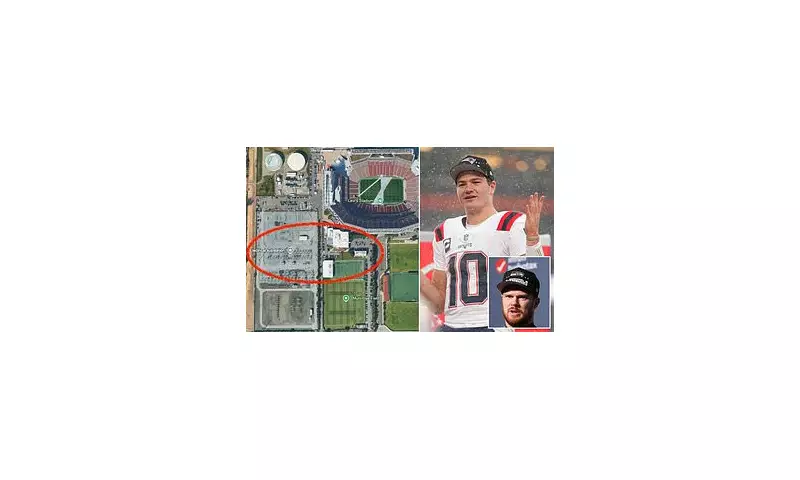
In a move that echoes arrangements from a decade ago, neither the New England Patriots nor the Seattle Seahawks will utilise the San Francisco 49ers' practice facility in the lead-up to Super Bowl LX in Santa Clara. This decision, which might prove prudent if ongoing injury concerns linked to a nearby electrical substation hold any merit, sees the AFC and NFC champions returning to familiar training grounds.
Historic Practice Locations Revisited
Just as the NFL organised for Super Bowl 50, the upcoming championship game will see teams practising away from the 49ers' base. A spokesperson for the New England Patriots confirmed to the Daily Mail that these arrangements were made well in advance, with the Patriots set to use Stanford University's facilities in Palo Alto and the Seahawks preparing at San Jose State University. This mirrors the setup from 2016 when Levi's Stadium first hosted the Super Bowl, indicating a consistent league strategy rather than a reaction to recent speculation.
Injury Epidemic and Electromagnetic Theories
The 49ers have faced a staggering injury crisis over the past decade, with the team losing an estimated $95 million in salary cap value to injured players in 2025 alone. This has sparked theories about potential causes, with researcher Peter Cowan, a board-certified quantum biology practitioner, suggesting chronic exposure to 'low-frequency electromagnetic fields' from the electrical substation adjacent to the team's stadium and practice facility could be to blame.

Cowan's theory gained traction on social media platform X, particularly after star tight end George Kittle suffered a season-ending Achilles tear during the playoffs against the Philadelphia Eagles. This incident reignited concerns about the facility's safety and prompted 49ers General Manager John Lynch to announce an investigation into the potential connection.
'Because it deals with, allegedly, the health and safety of our players, you have to look into everything,' Lynch stated during a press conference with head coach Kyle Shanahan. 'Our guys have been, we've been reaching out to anyone and everyone to see if a study does exist. We will look into it, we have.'
Former Player Revelations and Environmental Concerns
Adding weight to the concerns, former San Francisco tight end Delanie Walker revealed on the Bussin' With The Boys podcast that worries about the substation existed during his tenure with the team from 2006 to 2012. Walker recalled discussions about relocating the substation due to health fears, including claims it was 'giving people cancer.'
He described palpable energy from the site and recounted a dramatic incident where a transformer exploded during practice, creating a sound comparable to a bomb. Walker also noted environmental anomalies, stating, 'Everything dies where the power station is,' suggesting trees and wildlife struggle to thrive in the vicinity.
The retired player mentioned that while research was conducted and players were assured of safety, they may have signed documents acknowledging potential risks. 'I heard they were like: 'Oh it may make your ligaments weak' and I'm like: 'God Damn, that's crazy,'' Walker recalled, expressing astonishment upon seeing recent images of the facility's proximity to the substation.
Proactive Measures and Ongoing Scrutiny
The NFL's decision to house the Super Bowl teams at alternative practice locations appears both strategic and precautionary. By avoiding the 49ers' facility, the league ensures that the Patriots and Seahawks can prepare without the shadow of these unresolved health concerns. Meanwhile, the 49ers' investigation into the electromagnetic field theory continues, highlighting the serious attention being given to player welfare and facility safety in professional sports.
As Super Bowl LX approaches, the focus remains on the game, but the underlying story of the 49ers' injury woes and the speculative causes serves as a reminder of the complex factors that can influence team performance and athlete health in modern football.