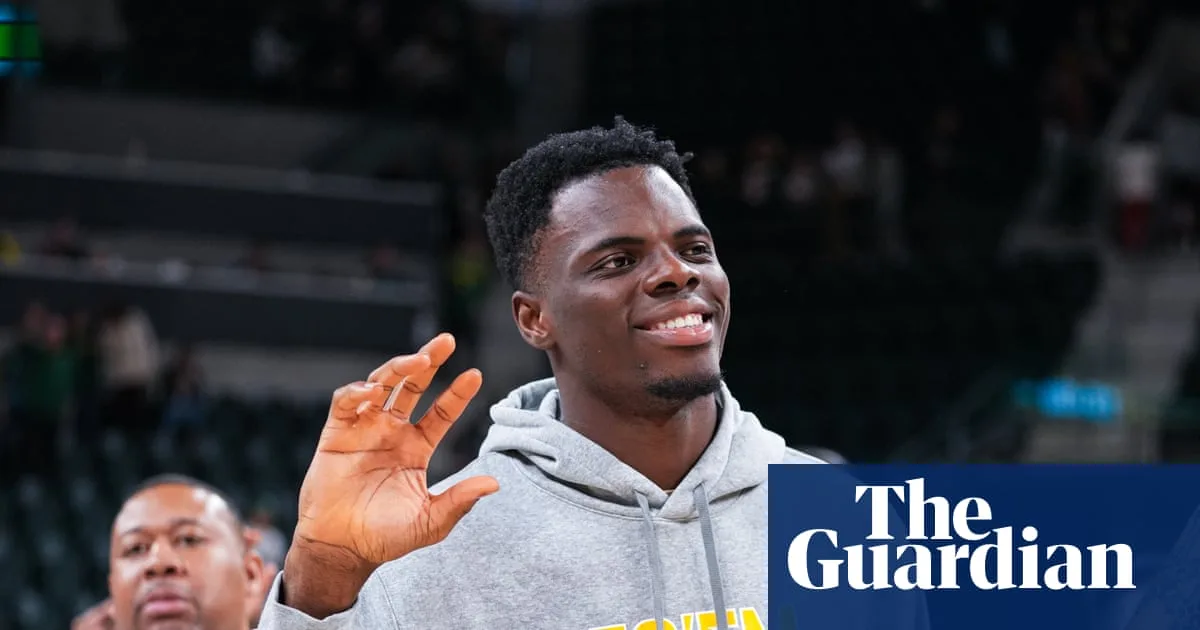
The NCAA has said it will not grant eligibility to any player who has signed an NBA contract, following criticism after Baylor University added a 2023 draft pick mid-season. The Bears announced the signing of 7ft centre James Nnaji of Nigeria on Christmas Eve, and he could make his debut on Saturday in the Big 12 opener at TCU.
Nnaji, now 21, was selected 31st overall by the Detroit Pistons in 2023 and has since had his draft rights traded to Boston, Charlotte and most recently the New York Knicks. He has never been on an NBA roster and was playing in Europe before entering the draft. The NCAA clarified that players who sign standard NBA contracts or two-way deals involving G League affiliates are ineligible, but this does not necessarily apply to G League players without such deals or those from other professional leagues.
NCAA president Charlie Baker said the association is exercising discretion in applying eligibility rules to ensure international players are not disadvantaged compared to their American counterparts. “Rules have long permitted schools to enrol and play individuals with no prior collegiate experience midyear,” he said in a statement.
Arkansas coach John Calipari criticised the move, arguing that any player who enters and stays in the NBA draft should be barred from college basketball. “That’s only for American kids,” he said. Baylor coach Scott Drew defended the decision, pointing to other undrafted international players currently competing in the college game, and said coaches must adapt until collective bargaining establishes clear rules.
The NCAA noted that recent court rulings are making its eligibility standards difficult to enforce, with the lawsuit from Vanderbilt quarterback Diego Pavia citing Nnaji’s case to support its argument. Baker pledged to work with Division I leaders to protect college basketball from what he called “misguided attempts to destroy this American institution”.