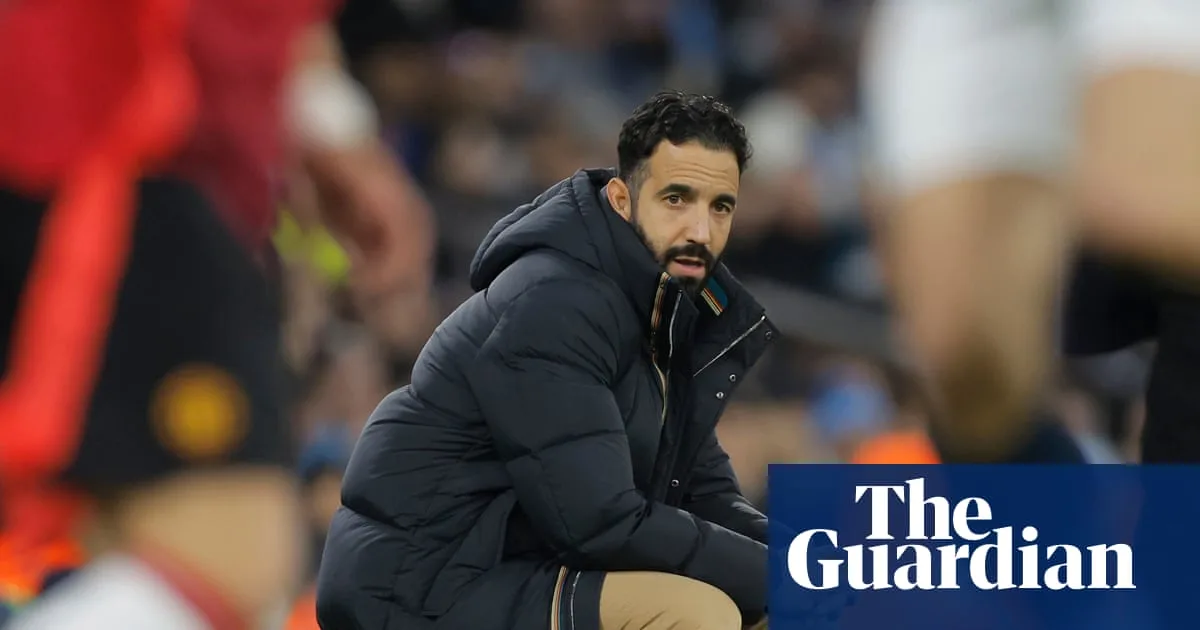
The pursuit of Ruben Amorim by Manchester United has collapsed, exposing a deeply flawed and chaotic process that appeared doomed from the very beginning. The club's attempt to secure the Sporting Lisbon manager unravelled spectacularly, highlighting systemic issues within Old Trafford's hierarchy.
A Search Defined by Chaos and Indecision
Manchester United's hunt for a new permanent manager has been characterised by a startling lack of clarity and strategic direction. Following the departure of Ole Gunnar Solskjær and the interim appointment of Ralf Rangnick, the club's leadership embarked on a search that quickly fixated on Ruben Amorim. However, this focus was not born from a clear, long-term vision for the club's playing style or future.
Instead, reports suggest the process was reactive and haphazard. Key decision-makers, including football director John Murtough, were dispatched to hold talks with Amorim's representatives. Yet, these discussions reportedly lacked the concrete planning and unified backing necessary to secure a manager of his calibre. The entire episode has drawn sharp criticism, with many observers noting it mirrored the club's recent history of muddled thinking in the transfer market and overall football strategy.
Internal Discord and External Realities
Fundamental to the failure was a significant disconnect within the Manchester United power structure. While some figures pushed for Amorim, there was never a full, unequivocal consensus on him being the primary target. This internal hesitation and conflicting visions created a weak negotiating position.
Furthermore, the club severely underestimated the complexities of the deal. Amorim, 39, has a substantial release clause in his contract with Sporting, believed to be in the region of €30m (£25.2m). More importantly, he is deeply embedded in a project at the Portuguese club where he recently delivered a league title and enjoys strong support. Manchester United's approach failed to present a compelling enough sporting project to lure him away from that stability.
The situation was compounded by the public and protracted nature of United's interest in other managers, notably Mauricio Pochettino and Erik ten Hag. This very public shortlist made United's pursuit of Amorim seem like a secondary or contingency plan, further weakening their appeal.
The Consequences of a Broken Model
The fallout from this botched approach is severe. Firstly, it leaves Manchester United back at square one in their managerial search, with time running out before a critical summer rebuild. The club's credibility in the market has taken another hit, making negotiations with other top candidates more difficult.
Secondly, it starkly exposes the ongoing issues at the executive level. The Amorim saga is seen as a direct consequence of the power vacuum and lack of definitive football leadership since the departure of former executive vice-chairman Ed Woodward. The club's structure, often criticised as being overly commercial in focus, has again failed to deliver on a core football operation.
Ultimately, the failed move for Ruben Amorim is not an isolated incident. It is a symptom of a broader disease at Manchester United: a lack of a coherent football philosophy, strategic planning, and unified decision-making. Until these fundamental issues are addressed by the ownership and the board, such chaotic and doomed processes are likely to repeat themselves, regardless of who the target may be.