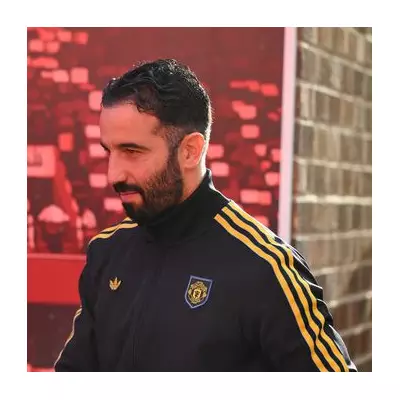
The sacking of manager Ruben Amorim by Manchester United has laid bare the profound failings of the club's much-vaunted executive leadership, assembled at great cost by Sir Jim Ratcliffe.
The Villa Park Summit That Promised So Much
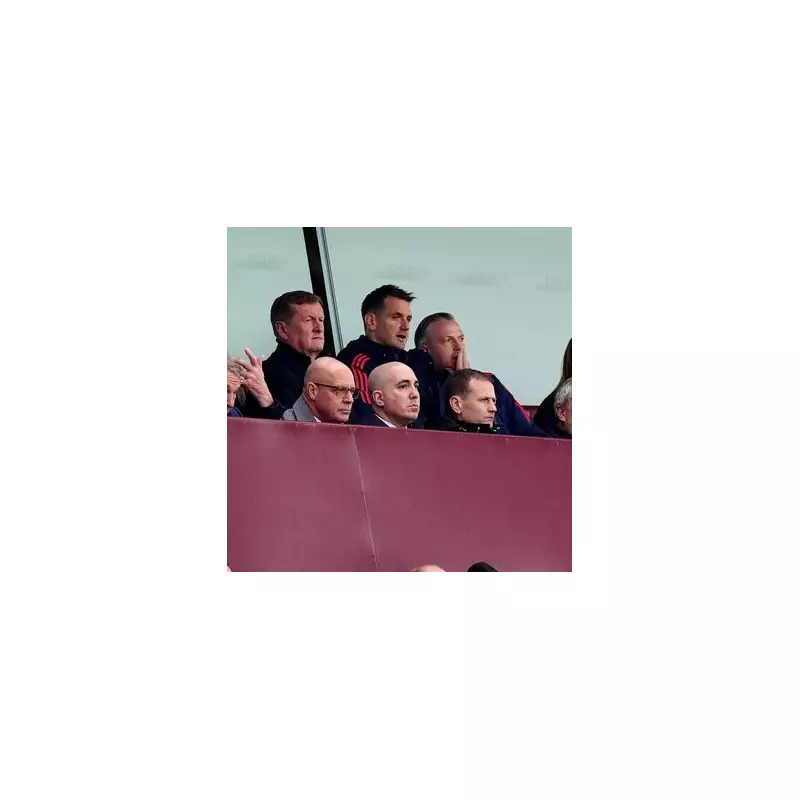
On October 6, 2024, a telling photograph was taken outside an executive box at Villa Park. It featured five men who were supposed to form the strategic core that would resurrect Manchester United's fortunes: Sir Jim Ratcliffe, Sir Dave Brailsford, Omar Berrada, Dan Ashworth, and Jason Wilcox. Not one managed a smile. Three weeks later, they dismissed Erik ten Hag. Fifteen months on, they have now fired his highly-touted successor, Ruben Amorim.
The vision was clear: a cartel of elite business and sporting intellects, backed by Ratcliffe's wealth, would restore the club to its former glory. The reality, however, has been a story of retreat, cutbacks, and continued underperformance.
A Leadership Team in Disarray
The executive team pictured that day has not delivered the promised transformation. Sir Jim Ratcliffe, the INEOS owner who labelled Amorim "an excellent manager" worthy of a full three-year judgement, is reportedly preoccupied with his petrochemical giant's £18 billion debt.
Sir Dave Brailsford has stepped back from daily operations at Old Trafford. Chief Executive Omar Berrada has presided over severe office redundancies and cutbacks, yet the club's debt remains close to £1 billion. Sporting Director Dan Ashworth cost over £4 million in a settlement to leave Newcastle and lasted a mere five months in his role. Jason Wilcox, now the Director of Football, is said to have exerted authority over Amorim.
This group, assembled to smooth out the club's major dysfunctions, has instead watched them persist, thorny and unresolved.
Amorim's Record and the Inevitable Outcome
While Amorim proved a likeable and passionate figure who fronted up consistently, the statistics made his position untenable. Over 14 months and 49 Premier League games, he secured only 16 wins.
He leaves with the worst win ratio (32%) of any permanent Manchester United manager, alongside the worst goals conceded per game (1.53) and lowest clean sheet ratio (15%). Although there were signs of a slight upturn—one defeat in the last eight games—United remained a distant force from the compelling watch fans demand.
Elite clubs have dismissed managers for far more productive tenures. The decision, based on results, is not outlandish. Yet, it raises a critical question: who is truly accountable?
During the club's struggles, little has been heard from Wilcox or Berrada publicly. The responsibility fell squarely on the manager, the one visible figure speaking to fans and media. The executives holding the real power have remained in the shadows.
Ratcliffe's aim to assemble a world-class executive team appears to have failed. As he signs another substantial pay-off cheque, the issues at the heart of Manchester United—the underachievement, the draining class—remain as stark as ever. The man in the photograph who truly understood success, Sir Alex Ferguson