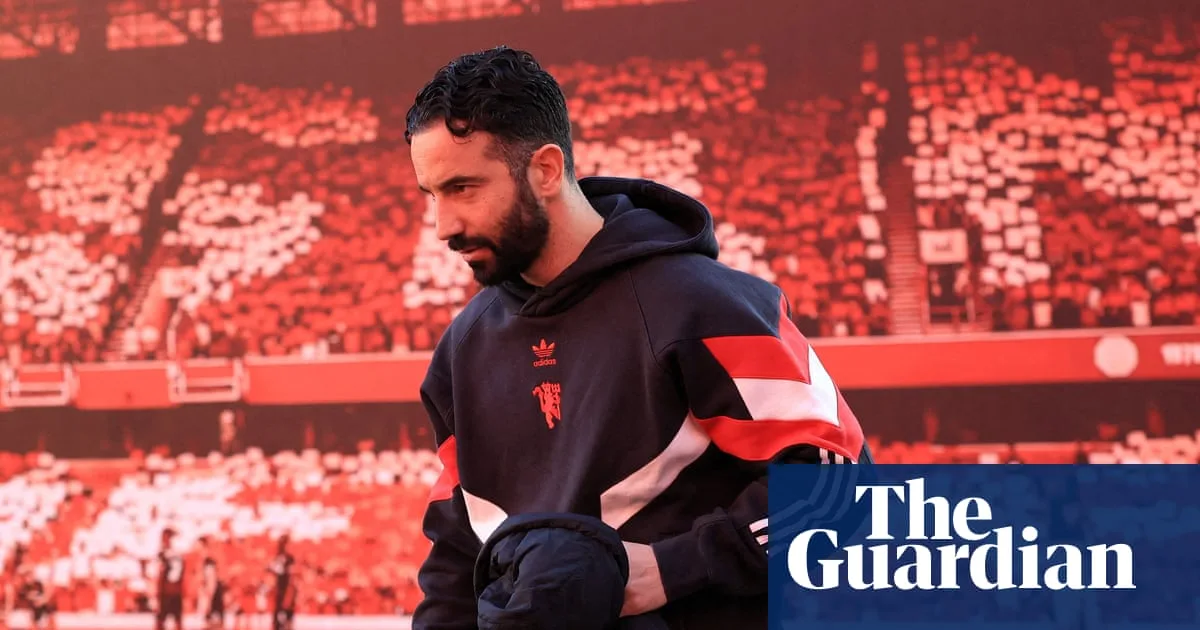
Manchester United have sacked Ruben Amorim after 14 months as head coach, following a power struggle over transfer policy. The club acted on Monday morning, with Darren Fletcher appointed as interim head coach. Fletcher, a former United midfielder and current under-18s coach, will lead the side at Burnley on Wednesday and may remain in charge for Sunday's FA Cup tie with Brighton.
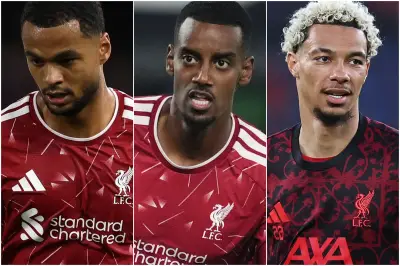
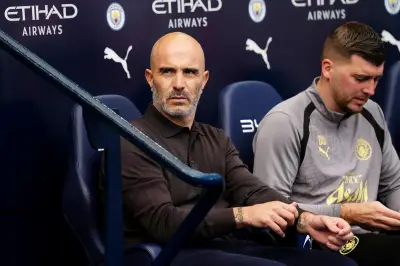
United are undecided on a permanent replacement for the remainder of the season or the summer. Director of football Jason Wilcox and chief executive Omar Berrada will lead the process. Potential interim options include Fletcher and Michael Carrick, while permanent candidates include Crystal Palace's Oliver Glasner, Bournemouth's Andoni Iraola, and unemployed Enzo Maresca. Thomas Tuchel, Gareth Southgate, Mauricio Pochettino, and Xavi are also mentioned as possibilities, though Xavi's English and Premier League experience may count against him.
Amorim's dismissal stemmed from a strained relationship with the hierarchy over recruitment. He demanded colleagues in the recruitment department “do their job” after Sunday’s draw at Leeds. The club said Amorim was given full backing, pointing to £250m spent since his appointment, but his refusal to adapt and downplaying of academy and senior players caused concern. United insisted Amorim was in agreement with the summer strategy of signing three forwards rather than a midfielder.
Amorim oversaw United's lowest Premier League finish – 15th – last season and lost the Europa League final to Spurs. This season, they were knocked out of the Carabao Cup by League Two side Grimsby. The club's statement said the decision was made to give the team the best chance of a high Premier League finish.