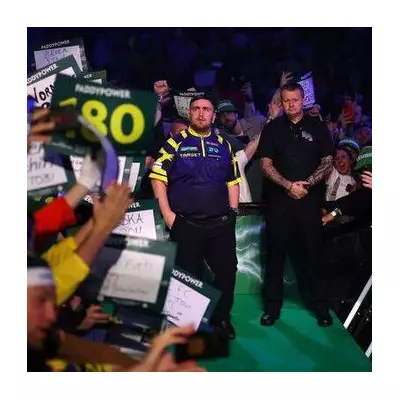
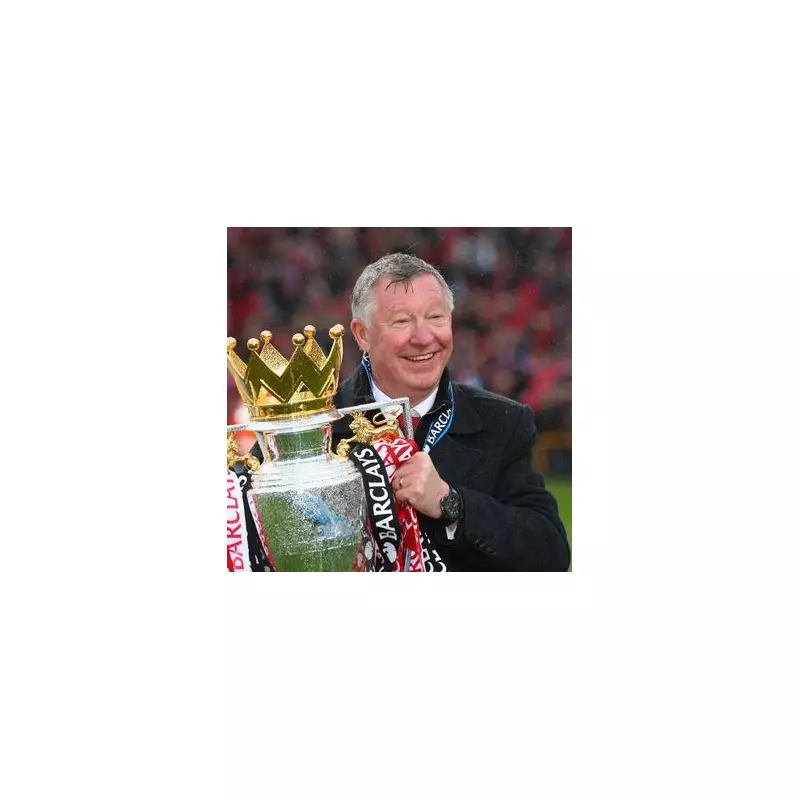
Manchester United have once again pulled the trigger on a manager, dismissing Ruben Amorim after a mere 14 months at the helm. The Portuguese coach's departure continues a turbulent pattern at Old Trafford that has persisted since the retirement of the legendary Sir Alex Ferguson.
The End of Another Short Reign
The decision to sack Ruben Amorim comes with Manchester United positioned just three points outside the Premier League's top four. Despite a significant summer investment in new players, who often require time to settle, the board has opted for another change. Reports suggest a key factor was a deteriorating relationship between Amorim and the executives, culminating in a pointed message from the manager after a 1-1 draw with Leeds United where he asserted his role as the boss, not just a coach.
A Revolving Door Since Fergie's Exit
The sacking underscores a chronic instability at the club. Since Sir Alex Ferguson left in 2013, a total of ten different individuals, including caretakers, have occupied the manager's office. David Moyes, Ferguson's chosen successor, lasted less than a season. Louis van Gaal, appointed with a stellar CV, was dismissed in 2016 after just two years.
This stands in stark contrast to the patience shown to Ferguson himself, who famously faced pressure early in his tenure before building an unprecedented dynasty. The Scot's words from March 2016, defending Van Gaal, now seem prophetic. He cited injuries to key players like Phil Jones, Ashley Young, and Luke Shaw, and the need for new signings like Anthony Martial to adapt, as reasons for patience.
"You have to have some patience being a Manchester United fan," Ferguson said at the time. "For 150 years of history, it is worth having a couple of years on the quiet side of success because they will always come back and come back strong."
Was Amorim's Sacking Premature?
On the pitch, Amorim's tenure showed signs of progress. He was implementing a distinct 3-4-3 system, a tactical shift demanding time for player adaptation. The team sat sixth in the table, a marked improvement from finishing 15th the previous season, and Champions League qualification was a tangible target. Given the context of squad overhaul and visible on-pitch development, many will view his dismissal as harsh.
Ultimately, Manchester United are back to square one. The next manager will inherit a squad they did not assemble, facing the immense shadow of the past and a board with a proven short fuse. The club's failure to heed Ferguson's longstanding advice on patience and long-term vision continues to define a chaotic post-Ferguson era at Old Trafford.