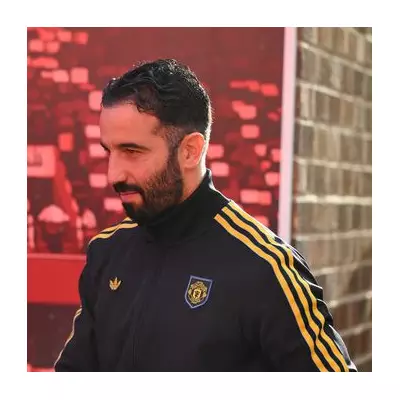
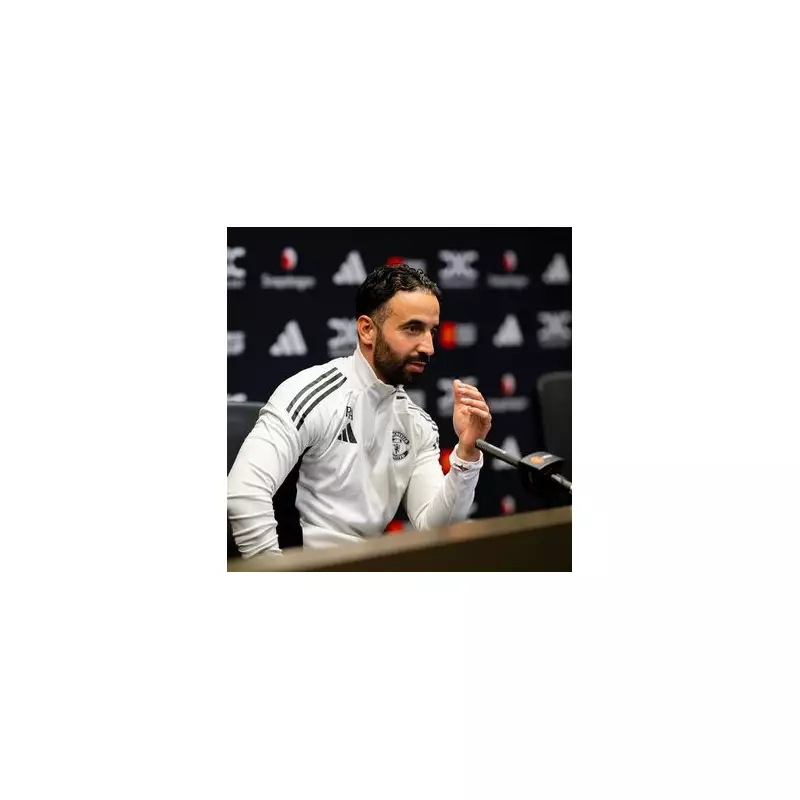
Manchester United have taken the decisive, if belated, step of parting company with manager Ruben Amorim, ending a turbulent 14-month tenure at Old Trafford that failed to meet the club's colossal expectations.
A Tenure Defined by Poor Numbers
The statistics ultimately made the decision for the United hierarchy. Ruben Amorim departs with a record of just 25 wins from 63 games in charge, translating to a win ratio of only 32 per cent. This dismal figure stands as the worst of any Manchester United manager in the Premier League era, a damning indictment for a club of its stature.
Appointed in the 2024/25 season following the departure of Erik ten Hag, Amorim was initially granted patience to reshape a struggling squad. The club's backing was substantial, with £216 million spent on summer signings including attackers Bryan Mbeumo, Benjamin Sesko, and Matheus Cunha. Despite this investment, the team has laboured through 20 unconvincing games this season, languishing in sixth place and far from the dominant force the club's global fanbase demands.
Questionable Player Management and Tactical Inflexibility
Beyond the results, Amorim's handling of key talents has drawn significant criticism. The case of Kobbie Mainoo is particularly telling. After the midfielder's impressive breakthrough and starring role for England at the European Championships, his progress has stalled under Amorim, with the player being frequently overlooked and seemingly discarded.
A similar story unfolds with marquee signing Benjamin Sesko, who has looked a shadow of the promising striker United invested in. Critics argue that a more adept manager would have better integrated Sesko, Cunha, and Mbeumo into a formidable attacking trio, supported by Bruno Fernandes.
Instead, Amorim was accused of being wedded to a rigid tactical system, failing to adapt or utilise his squad's full potential. This inflexibility, often mistaken for strength, proved a critical weakness as games and leads were thrown away.
No More Time: Why the Sacking Was Inevitable
While some pointed to Mikel Arteta's long-term project at Arsenal as a blueprint for patience, the reality at Manchester United is different. The pressure for immediate progress is immense. Club co-owner Sir Jim Ratcliffe had spoken of giving the manager time, but that time must be earned.
Amorim's final misstep appears to have been a failed power grab, challenging the board's authority while delivering only mediocre results. When compared to the work of contemporaries like Enzo Maresca at Chelsea or Oliver Glasner at Crystal Palace—both of whom won trophies and achieved European qualification—Amorim's tenure fell painfully short.
The decision, while appearing chaotic, was unavoidable. For a club that views itself as the biggest in the world, languishing with a record-low win percentage and no clear identity is simply not an option. The search for a manager who can truly restore Manchester United's competitive edge begins now.