Manchester United's Ferguson Fixation: Why the Past is Blocking the Future
Man Utd must cut ties with Sir Alex Ferguson's shadow

More than a decade after his retirement, the shadow of Sir Alex Ferguson continues to loom over Manchester United, casting what many see as a paralyzing spell on the club's future.

The Inescapable Shadow at Old Trafford

Sir Alex Ferguson stepped down as manager in May 2013, yet his influence remains a dominant force at Old Trafford. The club appears trapped in a cycle of nostalgia, repeatedly seeking comfort in figures and ideas linked to its glorious past under the legendary Scot. This fixation, critics argue, is actively robbing the club of a forward-thinking vision and modern success.

The pattern is unmistakable. When Darren Fletcher took temporary charge earlier this season, one of his first acts was to publicly reveal he had sought Ferguson's "blessing." This instinct to defer to the past emblemises a wider cultural issue. Former players like Gary Neville and Rio Ferdinand frequently reference the "Fergie DNA," a mythical quality they believe is essential for any United revival.

A Legacy That Haunts Successive Managers

The club's struggle to escape this legacy has defined the post-Ferguson era. His hand-picked successor, David Moyes, buckled under the pressure of being the 'Chosen One.' Most managers who followed admitted to calling Ferguson for advice upon their appointment, perpetuating his unofficial role as a kingmaker.

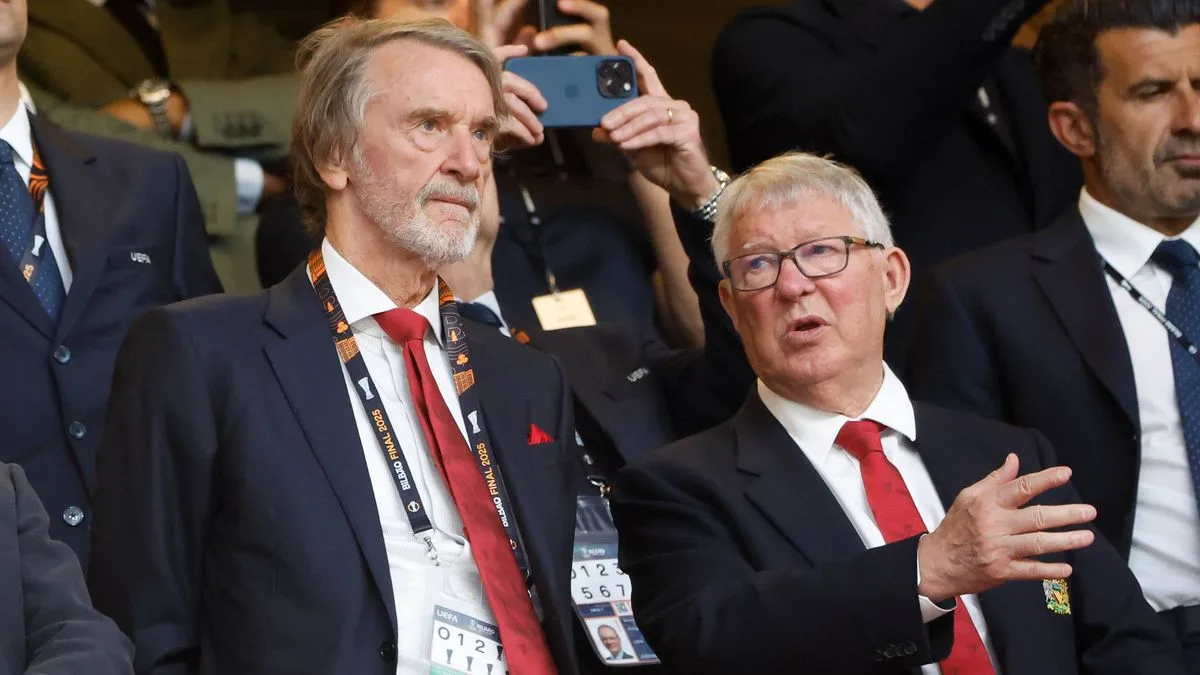
This dynamic has reportedly continued under the new football leadership. Following the recent dismissal of manager Ruben Amorim, Ferguson was seen at the Carrington training ground, sharing coffee and conversations with current decision-makers Jason Wilcox and Omar Berrada. He remains the club's comfort blanket, a symbol of past triumphs that hinders evolution.

The Solskjaer Parody and a Warning for Rivals

The most stark example of this backward glance is the potential re-appointment of Ole Gunnar Solskjaer. The Norwegian, who scored the iconic winning goal in Ferguson's 1999 Champions League final triumph, previously managed the club for three years before being dismissed. His subsequent tenure at Besiktas lasted less than six months, raising serious questions about his credentials for a second stint at the highest level.

Critics compare the potential move to Manchester City replacing Pep Guardiola with a former player like John Stones simply because he won trophies under him. It highlights a fundamental misunderstanding of Ferguson's success, which was built on signing the right players and cultivating a relentless winning mentality, not on a transferable mystical formula.

The club's plight serves as a stark warning to rivals like Manchester City about the dangers of failing to move on from an iconic manager. Meanwhile, Arsenal faced similar challenges after Arsene Wenger's departure but have since charted a new course. United, in contrast, seem buried under an avalanche of nostalgic nonsense, operating in a vastly different footballing and financial landscape than the one Ferguson mastered at the end of the last century.

The reality at Old Trafford today is of a corporate giant prioritising commercial revenue, with owners seemingly more focused on pound notes than prizes, pride, and performance. Until the club finds the courage to finally cut the cord with its past, its future as an elite footballing force remains in serious doubt.