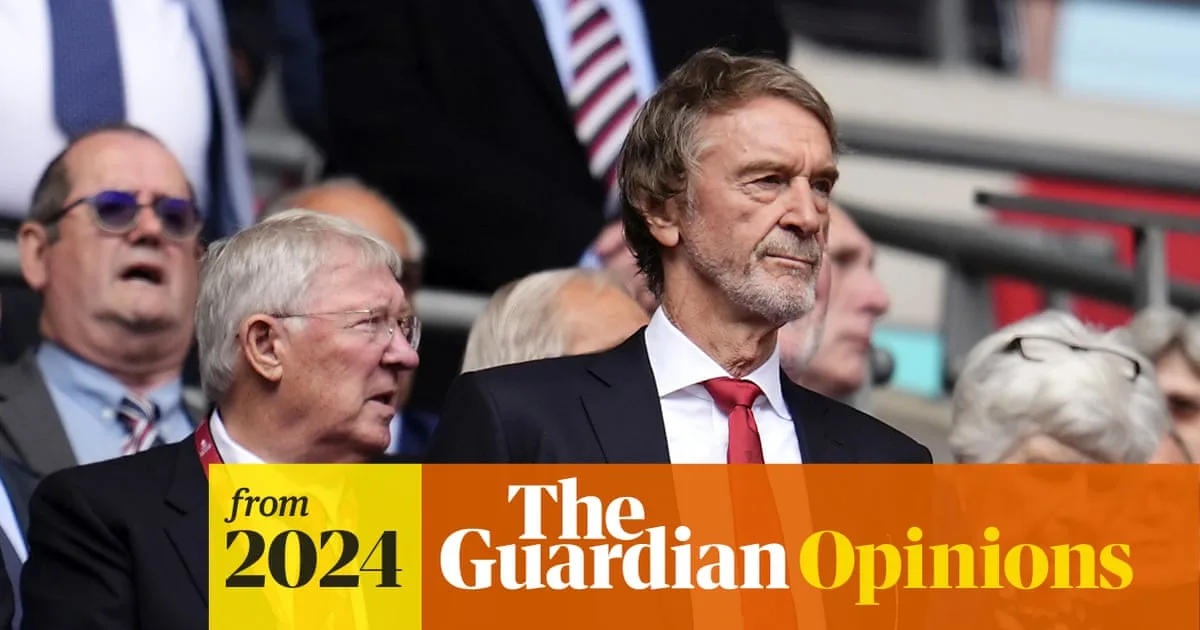
Manchester United is a club paralysed by its own history. More than a decade after the departure of its most successful manager, the shadow of Sir Alex Ferguson continues to loom over Old Trafford, arguably holding the team back from forging a new identity and achieving future success.
The Inescapable Shadow of Fergie
Sir Alex Ferguson stepped down as manager in May 2013, yet his influence remains pervasive. The club appears trapped in a cycle of nostalgia, repeatedly seeking comfort in figures and ideas linked to its glorious past under the Scottish legend. This reliance on faded glory is now manifesting in a potential managerial decision that has baffled many observers.
Reports suggest the club is seriously considering reappointing Ole Gunnar Solskjaer, a move seen by critics as driven purely by sentiment. Solskjaer, who famously scored the winning goal in the 1999 Champions League final to secure Ferguson's historic Treble, previously managed United from 2018 to 2021. His tenure ended without delivering major silverware, and his subsequent spell at Besiktas lasted less than six months.
A Pattern of Deference and DNA Myths
The pattern of deferring to Ferguson's legacy is deeply ingrained. When Darren Fletcher briefly took caretaker charge, one of his first acts was to publicly reveal he had sought Ferguson's blessing. This instinct to look backwards, rather than forwards with new ideas, exemplifies the problem.
Former players like Gary Neville and Rio Ferdinand frequently speak of a mythical "United DNA" created by Ferguson. However, this analysis suggests that DNA was simply a product of Ferguson's genius in signing the right players and fostering a relentless winning mentality—a formula not easily replicated by mere association.
The article points to David Moyes, Ferguson's hand-picked successor, as a prime example of the burden this legacy carries. Labelled the 'Chosen One', Moyes struggled under the immense pressure and was unable to step out from his predecessor's shadow.
Time to Embrace a New Era
The situation at Carrington training ground underscores the ongoing issue. Following the sacking of Ruben Amorim, Ferguson was reportedly seen at the club's base, having coffee with key decision-makers Jason Wilcox and Omar Berrada. While perhaps an innocent visit, it symbolises the comfort blanket the club refuses to relinquish.
Manchester United's story since 2013 serves as a stark warning to rivals like Manchester City about the dangers of failing to evolve post a legendary manager. Arsenal faced similar challenges after Arsene Wenger's departure. The club is now portrayed as a corporate entity prioritising revenue over the pride and performance that once defined it.
Appointing a figure like Solskjaer for a second time, based on past connections rather than recent proven achievement, is described as bordering on parody. The argument is clear: for United to wake from its slumber, it must finally, and decisively, cut the umbilical cord to the Ferguson era and confront the modern football landscape on its own terms.