The search for a new Manchester United manager is underway, and the successful candidate will immediately face a decision on whether to uphold or dismantle a set of strict rules left by his predecessor.
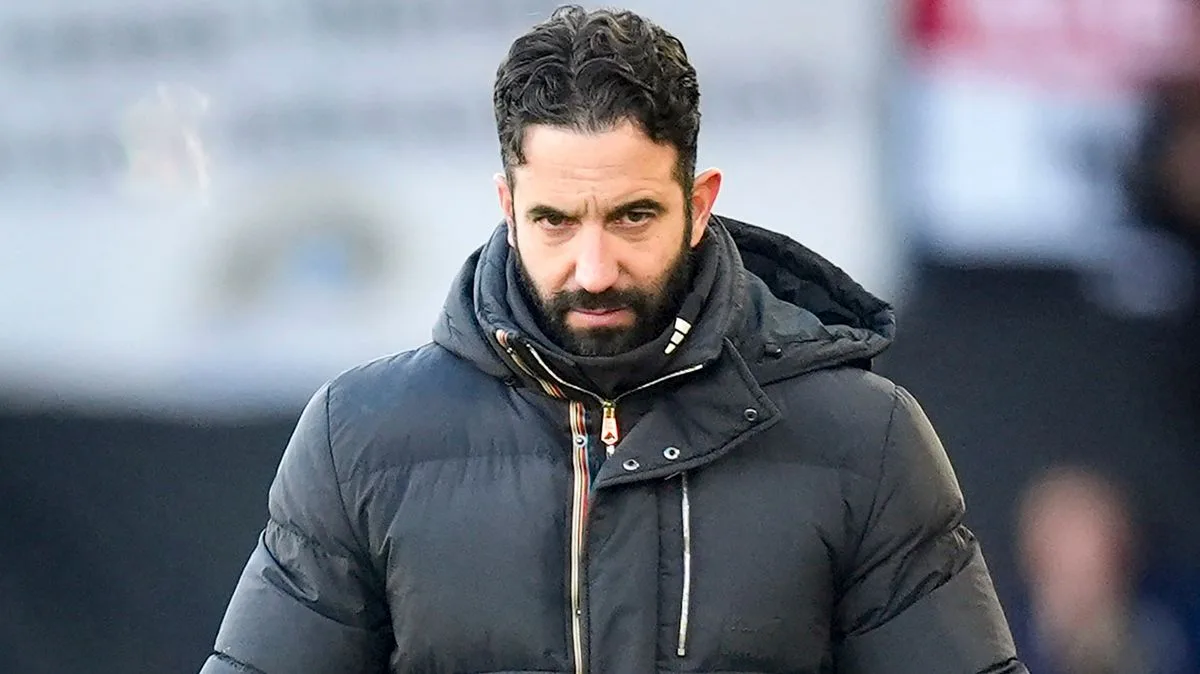
Ruben Amorim was sacked by the club on Sunday, 5th January 2026, following a 1-1 draw with Leeds United that left the Reds languishing in sixth place. His departure came swiftly after he made pointed comments about the club's hierarchy and his own title, insisting he was the 'manager' and not just a 'coach'.
With club legend Darren Fletcher taking interim charge for the trip to Burnley, the permanent successor – with Oliver Glasner, Gareth Southgate and Mauricio Pochettino among the early favourites – will inherit a squad governed by four specific Amorim-era protocols.
The Four Rules Under Review
Amorim's 14-month tenure was marked by a drive for elite standards and accountability, enforced through a series of club-wide mandates. The new boss must decide if these rules remain fit for purpose.
1. No Holidays During International Breaks
One of the Portuguese coach's first edicts was to prohibit players not selected for international duty from taking holidays abroad during breaks. Amorim's rationale centred on controlling rest and minimising unnecessary travel, with the club setting the exact parameters for time off.
"We as a club have to set the standards and manage that," Amorim explained previously. This rule could be one of the first to be relaxed by a new regime seeking to foster player goodwill.
2. A Ban on Food in the Dressing Room
In a push for peak physical conditioning, Amorim outlawed players from bringing food into the home dressing room on matchdays. He famously stated in December 2024 that his team had to "run like mad dogs" to win, linking discipline off the pitch to performance on it.
This rule, emblematic of Amorim's rigorous approach, may be viewed as excessively strict by a successor with a different man-management style.
3. Losing Team Collects the Training Gear
To foster a competitive edge and collective responsibility, Amorim introduced a rule where the losing side in training ground matches must pick up all the equipment. Midfielder Toby Collyer highlighted the "jeopardy" it created, telling The Athletic, "Everyone wants to be the team that wins."
While this policy promoted accountability, a new manager might prefer alternative methods to build team spirit.
4. Simplifying Coaching Instructions
During his early weeks at Old Trafford, Amorim instructed his coaching staff to avoid over-complicating their tactical briefings to players. The aim was to ensure the squad clearly understood their roles and could execute them effectively under pressure.
A new head coach with a distinct tactical philosophy will inevitably bring their own communication style, potentially rendering this directive obsolete.
What Happens Next at Old Trafford?
The swift dismissal of Amorim, less than 18 months after he replaced Erik ten Hag in November 2024, underscores the ongoing turbulence at Manchester United under the ownership of Sir Jim Ratcliffe. The interim appointment of Darren Fletcher provides stability, but the permanent successor will be tasked with not only improving results but also shaping the club's culture.
Diogo Dalot's previous comments about matching United's standards now ring with fresh significance. The coming weeks will reveal whether those standards continue to be enforced through Amorim's rulebook or if a new chapter, with a different set of principles, is about to begin.