Manchester United, Liverpool and other members of the Premier League's 'big six' are reportedly set to vote against proposals to centralise control of perimeter advertising sales. The plan, unveiled at a shareholders' meeting last week, could generate up to £750 million in additional annual revenue, according to those pitching the scheme.
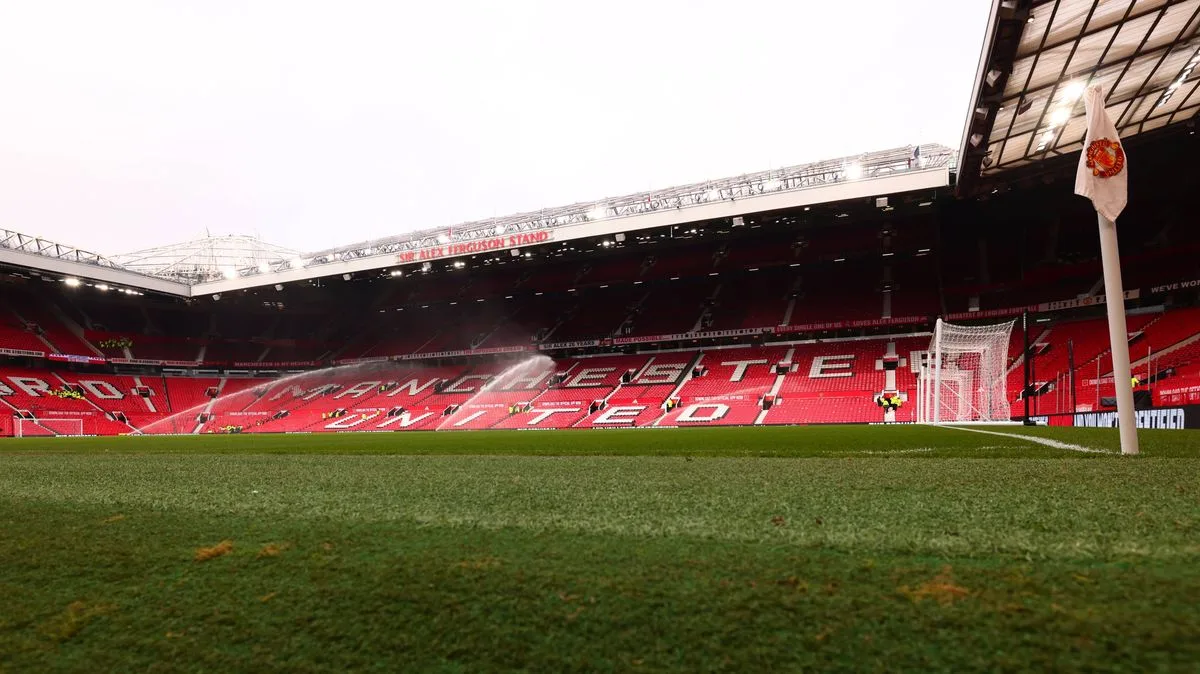
The proposal would see the Premier League manage central negotiations for advertising hoardings, rather than individual clubs securing their own deals with preferred brands. Under the proposed structure, 60 per cent of pitch-side advertising would be sold through the league, and the number of premium commercial partners would increase from seven to 10. The generated revenue would then be distributed among all 20 Premier League teams based on various factors.
However, it is understood that United, Liverpool and Manchester City are among the clubs expressing disapproval. Many top-tier clubs believe their commercial department expertise surpasses that of the Premier League. Following last week's meeting, one chief executive also expressed concerns about potential conflicts of interest, particularly regarding existing club sponsors competing with other brands despite long-standing agreements.
The Premier League has declined to comment on the matter, but sources suggest the proposal would be 'nothing but a benefit to clubs.' It is understood that the league is committed to exploring opportunities in the interests of clubs and will continue to liaise with them. No formal or finalised plans have been submitted.