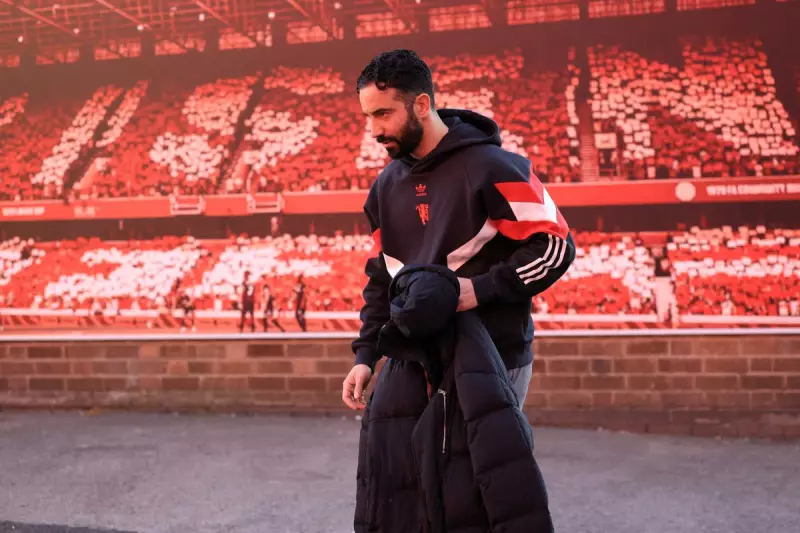
Manchester United have terminated the contract of head coach Ruben Amorim after a mere 14 months in charge at Old Trafford, a decision that throws the club's future direction under Sir Jim Ratcliffe into sharp relief.
The Final Straw and a Fractured Relationship
Amorim's fate was effectively sealed during a tense meeting of the club's hierarchy on Thursday, 1 January 2026. The immediate catalyst was a deeply disappointing 1-1 draw with Wolverhampton Wanderers, a result viewed internally as a significant nadir. However, the rupture had been building for some time, centred on a fundamental clash over transfer strategy and managerial authority.
The Portuguese coach, who had consistently expressed dissatisfaction with the club's recruitment, pushed aggressively for major signings in the January window. He was particularly keen to bolster his attack, given the planned role for Antoine Semenyo and a desired midfield overhaul, aiming to secure Champions League qualification. Sources indicate Amorim had also favoured a move for Ollie Watkins the previous summer.
The United board, seeking a more strategic, long-term approach, resisted what they saw as short-termism. This power struggle, combined with deteriorating results, led to the abrupt end of Amorim's tenure—a reign shorter than anyone at the club had anticipated.
A Record of Failure and Tactical Stubbornness
Amorim departs holding the unenviable record of statistically the worst Manchester United manager of the modern era. While the team's league position remained respectable, performances were often dismal. The draw against Wolves was emblematic: United failed to beat a side flirting with being the statistically worst in Premier League history, with Amorim's tactical choices heavily criticised.
His stubborn adherence to a 3-4-3 formation proved a major point of contention. Despite evidence it caused more problems than it solved, he reverted to it against Wolves. A United source stated, "the sample size is big enough to evidence that this 3-4-3 shape has caused more problems than it has solved in games." This obstinacy, ironically part of the strong personality Ratcliffe initially admired, ultimately contributed to his downfall.
Frustratingly for the board, Amorim had recently shown glimpses of adaptability and progress, earning newfound respect from some rivals. Yet, he consistently failed to break into the top four when opportunities arose, a failure now seen as symbolic of his reign.
Ratcliffe's Defining Moment and the Search for a Successor
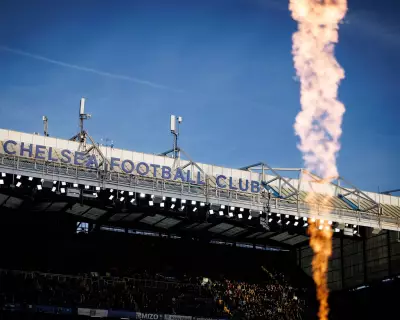
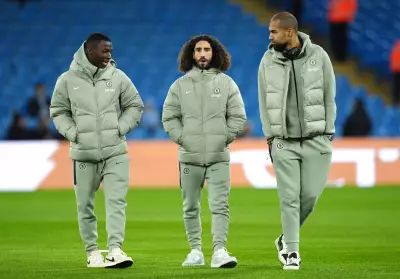
This sacking represents the third major misstep by the current football leadership, following the contract extension for Erik ten Hag and the brief tenure of Dan Ashworth, who had actually cautioned against appointing Amorim. The situation echoes recent events at Chelsea, where Enzo Maresca's departure increased pressure on the United board to act. Amorim's explosive post-match comments after a game against Leeds United were described as "exactly like Maresca."
The core issue, as in much of modern football, was control. Amorim envisioned building a project in his image, even if it involved short-term pain, but the club's structure demanded a more compliant head coach. Some senior figures believed the 40-year-old was out of his depth, with the weight of the job distorting his judgement.
Sir Jim Ratcliffe now faces a monumental decision that will define his ownership. Does he appoint a pure head coach like Kieran McKenna or even Enzo Maresca to fit a defined structure? Or does he grant more leeway to a stronger personality like Oliver Glasner, risking a repeat of the same tactical clashes? The choice will reveal whether the club is truly ready to break its persistent cycle of doom or is destined to repeat the same mistakes.