Manchester City's Rodri Charged by FA Over Referee Comments After Spurs Draw
Man City's Rodri Charged by FA Over Referee Comments

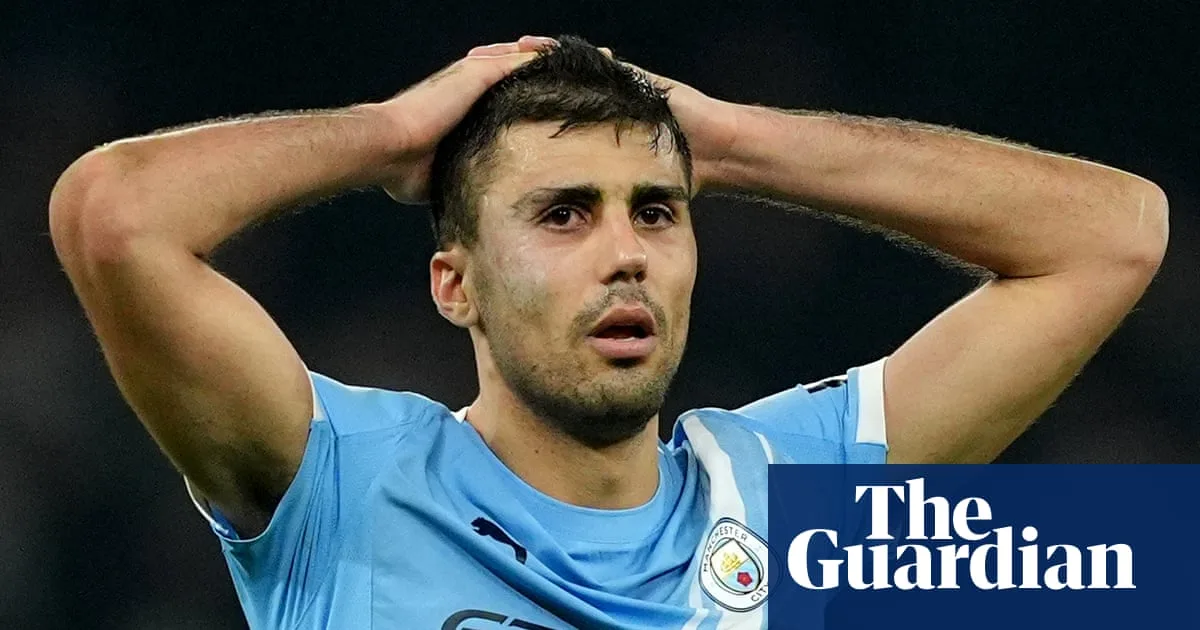
Manchester City midfielder Rodri has been formally charged with misconduct by the Football Association following comments he made in the aftermath of his team's recent Premier League fixture. The charge specifically relates to remarks the Spanish international made after Manchester City's 2-2 draw against Tottenham Hotspur on 1 February 2026.

Details of the Alleged Misconduct

The Football Association alleges that Rodri's post-match statements were improper and violated FA Rule 3.1. According to the governing body, the player questioned the integrity of match officials and implied potential bias during his comments to the media. Rodri reportedly stated that referees "have to be neutral," with the FA interpreting this as an implication that officials had not maintained impartiality during the contentious match.

Potential Consequences and Timeline

Rodri now faces a crucial deadline of 18 February 2026 to formally respond to the charge brought against him by the Football Association. Should the charge be upheld following his response, the Manchester City midfielder could potentially face a suspension from competitive matches as a sanction for his comments. This development comes at a sensitive time for Pep Guardiola's squad as they continue their pursuit of multiple trophies this season.

The Football Association has emphasized that maintaining respect for match officials remains a fundamental principle of the game, and any public comments that question their integrity or impartiality are treated with the utmost seriousness. This case follows a pattern of similar incidents where high-profile players have faced disciplinary action for public criticism of refereeing decisions and officials.

Manchester City have yet to make an official statement regarding the charge against their influential midfielder, but the club is expected to support Rodri through the disciplinary process. The outcome of this case could have significant implications for both the player's immediate availability and the broader conversation surrounding player conduct and freedom of expression in post-match interviews.