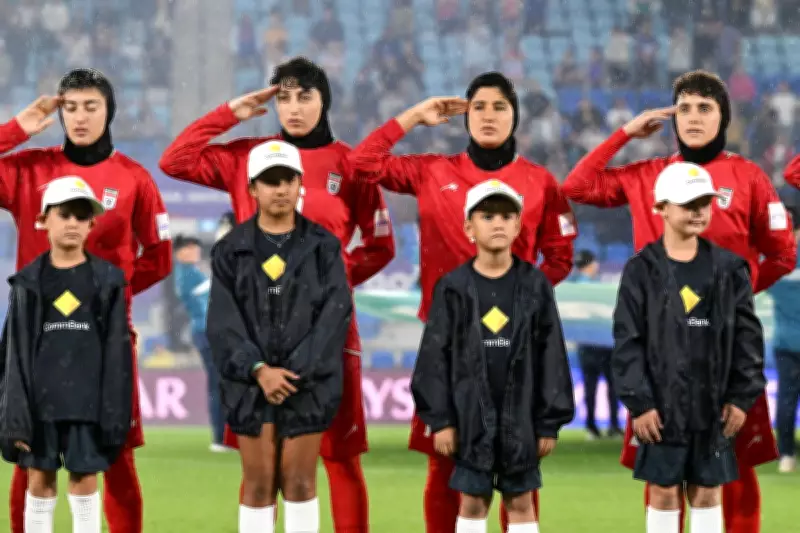
In a dramatic turn of events during the Asia Cup tournament, an Iranian women's football player has reversed her decision to seek asylum in Australia, opting instead to return home with her team. This development follows a high-profile protest where seven members of the Iranian delegation refused to sing their national anthem, drawing international attention and leading to humanitarian visa offers from the Australian government.
Asylum Offers and Initial Acceptance
Australian Home Minister Tony Burke confirmed that humanitarian visas were granted to seven individuals from the Iranian women's football delegation. This group included players and support staff who had made a stand by not singing their national anthem during the Asia Cup, a move that sparked widespread media coverage. Initially, all seven accepted the offer, with five players having been granted asylum earlier, and the remaining two—a player and a support staff member—following suit.
Last-Minute Reversal and Safety Concerns
However, in a surprising twist, one of the seven individuals, a player, changed her mind at the last minute. She decided to return to Iran with the rest of the team, which departed for Malaysia en route to their home country. This reversal came amid escalating safety concerns after Iranian state television labelled the protesting players as 'wartime traitors'. The situation was further complicated when the team's location was compromised after one member contacted the Iranian embassy, raising fears for their well-being upon return.

Australian officials emphasised that all team members were given the opportunity to make their own decisions regarding asylum, ensuring a process based on personal choice. The remaining squad members, including those who accepted the visas, are now navigating the aftermath of this highly publicised incident, which highlights the ongoing tensions between sports, politics, and human rights in Iran.